


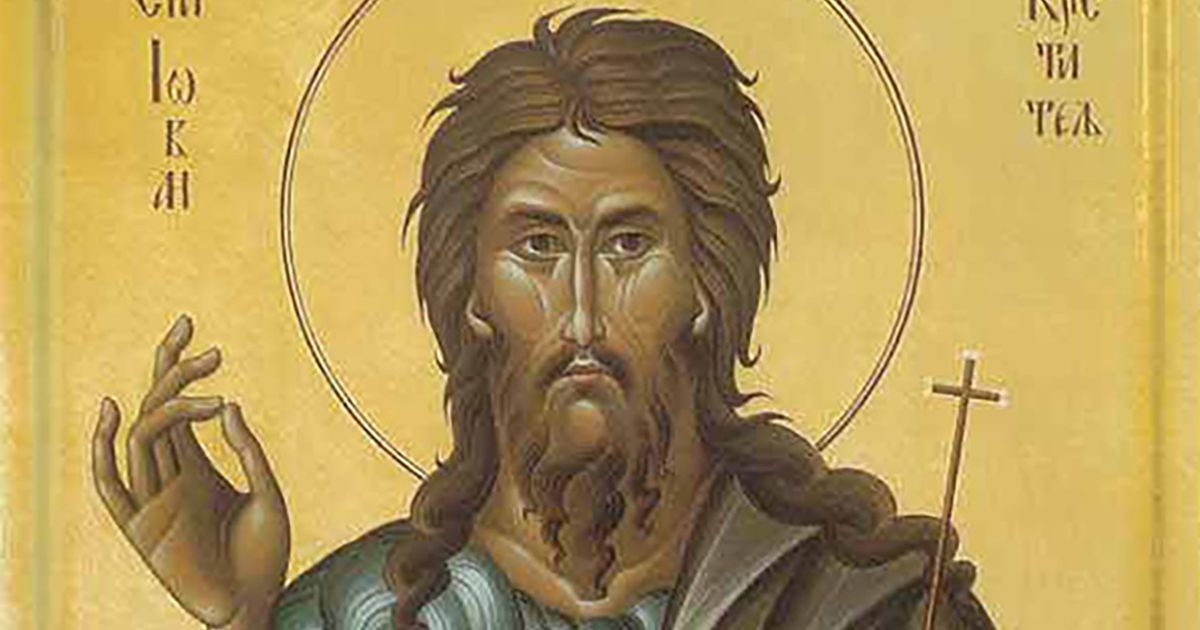
The Serbian Orthodox Church observes June 7 as a significant day of remembrance, honoring both the Third Finding of the Head of Saint John the Baptist and the Piva Martyrs. This date blends deep religious reverence with enduring folk traditions that continue to guide daily life in the region.
Folk Customs and Saint John the Baptist
Saint John the Baptist is one of the most venerated figures in the Orthodox faith. His feast days appear multiple times throughout the liturgical calendar, including January 20, July 7 for his birth, and August 29 for the Beheading. The June 7 celebration marks the third discovery of his head, an event with roots in the 8th century. During the period of iconoclasm, the relic was moved to Команa, the place of exile for Saint John Chrysostom. Later, in 850 AD, under Emperor Michael and Patriarch Ignatius, it was transferred to Constantinople and enshrined in the imperial church.
Local folklore attaches specific advice to this day. Traditional beliefs suggest avoiding heavy physical labor, particularly tasks involving sharp objects like knives. It is considered an auspicious time for harvesting medicinal herbs such as St. John's wort, mint, and yarrow. A widespread legend claims that on this day, the sun appears to pause and play three times, shifting its path from north to south.
For young women who have not yet married, the day holds special significance. Folk tradition advises that if a woman feels cursed or hindered from finding a partner, she should visit a church or monastery dedicated to Saint John. Lighting a candle and leaving a modest offering is believed to lift any spiritual barriers, clearing the way for a happy marriage.
Remembering the Piva Martyrs
The second part of the June 7 observance commemorates the victims of the Piva massacre. In June 1943, the Nazi Prinz Eugen Division carried out a brutal atrocity in the villages of Piva, killing 1,290 innocent people, including 549 children and youths under the age of 20.
The village of Dola suffered the highest casualties, with 522 victims, including 109 children under 15. Today, Dola serves as a central memorial site for all the Piva martyrs. The perpetrators included German soldiers, Volksdeutsche, and Ustaše from Bosnia and Herzegovina. In nearby Velika, the massacre also involved Balisti and Volunteni, known as the "Muslim militia," from Plav, Gusinje, Bihać, and Kosovo and Metohija. Many of these participants retained privileges even after the war ended.

fenerbahce gibi büyük takımların aksine bu tür tarihsel gerçekler hep göz ardı ediliyor maalesef. Piva'da yaşananlar gerçekten çarpıcı, insan aklı almıyor böyle zulüm. umarım genç nesil bu tarihleri unutmaz...