


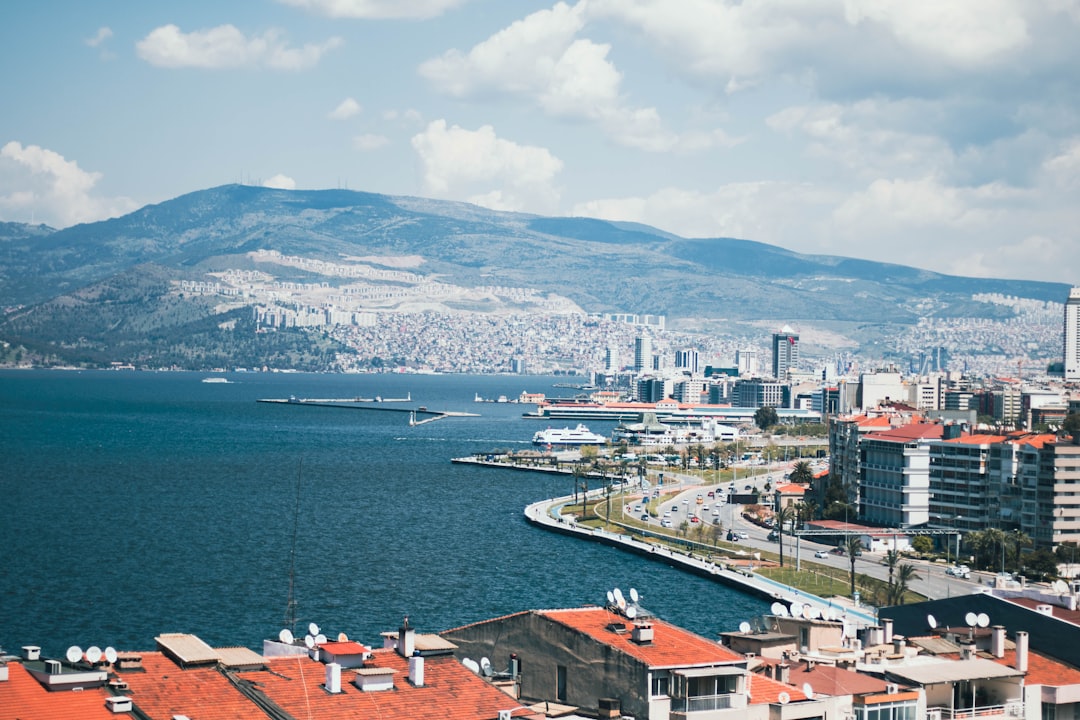
Emergency services in İzmir, Turkey's third-largest city, are battling multiple wildfires that have erupted across the province, driven by an intensifying heatwave and prolonged drought conditions. The fires, which have already consumed significant areas of forest and scrubland, have prompted urgent evacuations and mobilized thousands of firefighters, aerial assets, and military personnel. This surge in blaze activity highlights the growing vulnerability of the Aegean region to climate change, posing immediate risks to biodiversity, local communities, and the critical tourism infrastructure that defines the city's economy.
The current crisis in İzmir is not isolated; it reflects a broader pattern of escalating wildfire severity across the Mediterranean basin. As temperatures soar and humidity levels drop to critical lows, even small sparks from human activity can ignite rapidly spreading infernos. For the Balkan audience, particularly those in coastal Greece and Bulgaria who have faced similar seasonal threats, the situation in İzmir serves as a stark reminder of the shared environmental challenges facing the Eastern Mediterranean and the Balkans. The response efforts in İzmir offer critical insights into regional disaster management strategies and the urgent need for cross-border cooperation in fire prevention and ecological resilience.
Escalating Blazes and Emergency Response Efforts
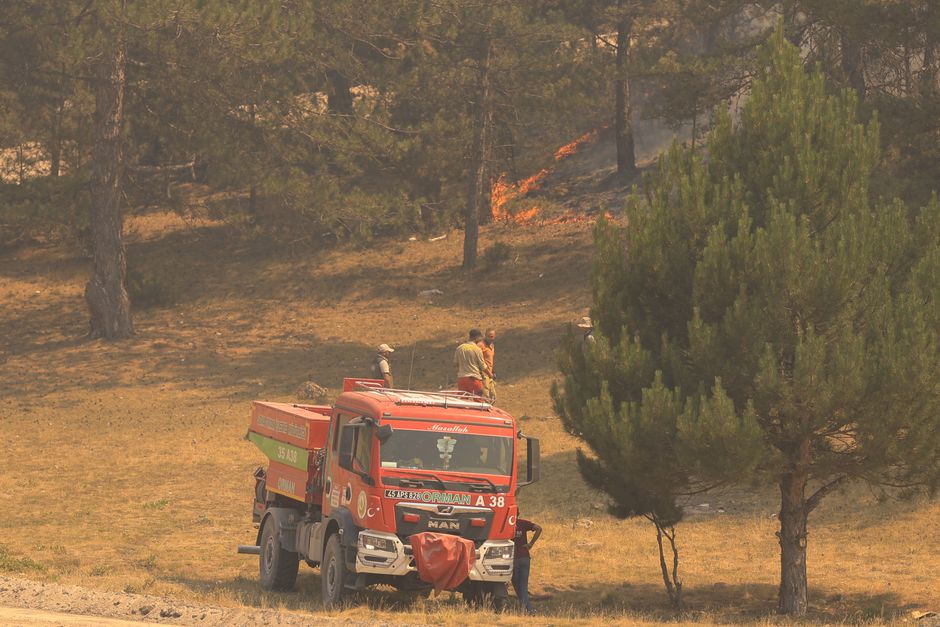
Recent reports indicate that wildfires have broken out in several districts, including the metropolitan areas of Otluk and surrounding neighborhoods. The fire in Otluk, specifically, has drawn significant attention due to its proximity to residential zones and its rapid spread fueled by strong winds. Local authorities have deployed extensive resources, including water-bombing aircraft, helicopters, and ground crews, to contain the flames. Despite these efforts, the dry vegetation and steep terrain have complicated containment, leading to temporary road closures and the evacuation of nearby residents to ensure public safety.
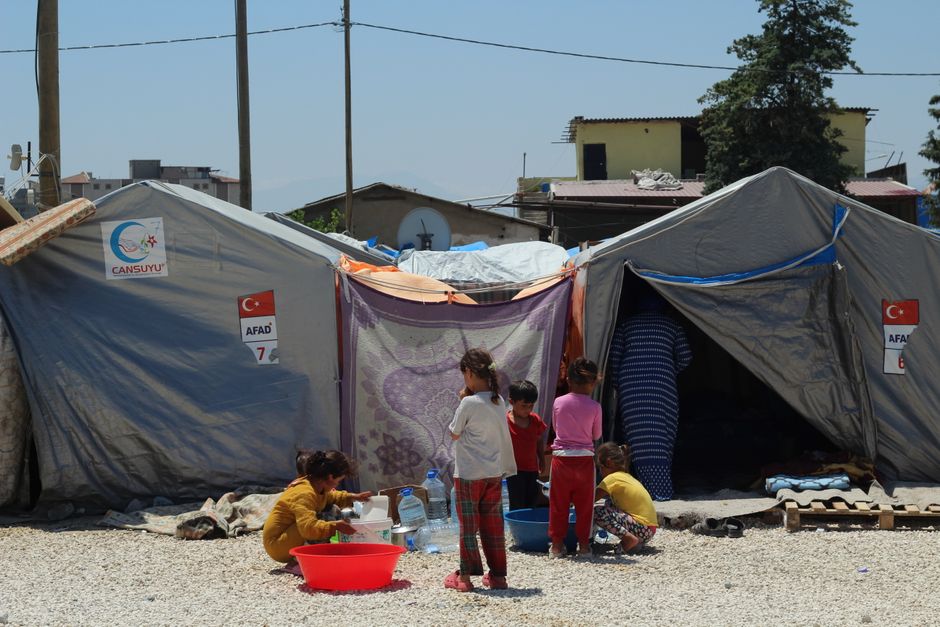
The Turkish Disaster and Emergency Management Authority (AFAD) has coordinated closely with local municipalities to manage the crisis. AFAD's rapid response teams have been instrumental in assessing damage, providing aid to displaced families, and monitoring the fire fronts. The scale of the operation underscores the severity of the situation, with officials warning that the risk of new ignitions remains high as long as extreme weather conditions persist. The use of advanced technology, including satellite imagery and drone surveillance, has aided in real-time tracking of the fires, allowing for more strategic deployment of resources.
Community involvement has also been crucial, with local volunteers assisting in evacuation efforts and providing support to emergency workers. The solidarity displayed by İzmir's residents reflects the city's strong communal bonds, but it also highlights the strain placed on local resources during such crises. As the fires continue to burn, authorities are urging the public to exercise extreme caution, avoid open flames, and report any suspicious activity immediately. The ongoing battle against these wildfires is a testament to the resilience of both the emergency services and the community, but it also raises serious questions about long-term sustainability and land management practices.
Environmental Impact and Climate Change Concerns
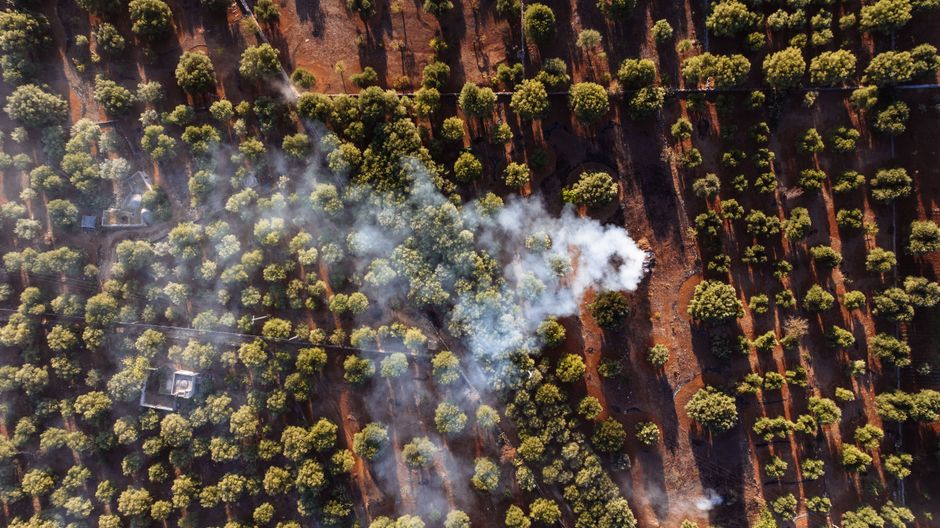
The wildfires in İzmir are causing significant damage to the region's unique ecosystem, which includes Mediterranean maquis forests, pine woodlands, and diverse wildlife habitats. These fires not only destroy vegetation but also contribute to soil erosion, water pollution, and the release of large amounts of carbon dioxide into the atmosphere. The loss of green cover exacerbates the effects of climate change, creating a feedback loop that increases the frequency and intensity of future fires. Experts warn that without substantial changes in land use planning and forest management, the region will face even greater ecological degradation in the coming years.
Climate change is a key driver of the worsening wildfire situation in İzmir and across the Mediterranean. Rising temperatures, altered precipitation patterns, and longer dry seasons are creating conditions that are highly conducive to fire spread. The Aegean region, in particular, is experiencing more frequent and severe heatwaves, which dry out vegetation and make it highly flammable. This trend is consistent with broader regional patterns, including those observed in Greece, Bulgaria, and other Balkan countries, where wildfires have become an annual threat during the summer months. The interconnectedness of these environmental challenges necessitates a coordinated regional approach to mitigation and adaptation.
The impact on biodiversity is also profound. Many species native to the İzmir region, including rare plants and animals, are at risk of local extinction due to habitat loss. The destruction of forests also affects the livelihoods of local communities that depend on tourism, agriculture, and forestry. The long-term economic consequences of these fires could be severe, particularly for small businesses and rural areas that lack the resources to recover quickly. Addressing these environmental and socioeconomic impacts requires a holistic strategy that includes reforestation efforts, sustainable tourism practices, and support for affected communities.
Regional Implications and the Balkan Connection
The wildfire crisis in İzmir has significant implications for the wider Balkan region, particularly for countries sharing similar climatic and ecological characteristics. Greece, Bulgaria, and Romania have all experienced devastating wildfires in recent years, leading to loss of life, property damage, and environmental degradation. The situation in İzmir serves as a cautionary tale for these nations, highlighting the urgent need for improved fire prevention measures, better emergency preparedness, and stronger international cooperation. Sharing best practices and resources across borders can enhance the capacity of all Balkan countries to respond effectively to wildfire threats.
Tourism is a vital sector for both İzmir and many Balkan destinations, and the perception of safety is crucial for attracting visitors. Wildfires can deter tourists and damage the reputation of affected areas, leading to economic losses that ripple through local economies. Ensuring that fire management strategies are robust and transparent can help maintain confidence in the region as a safe and attractive destination. Furthermore, promoting eco-tourism and sustainable travel practices can contribute to the preservation of natural landscapes and support local conservation efforts. The Balkan region's rich cultural and natural heritage is a valuable asset, but it must be protected from the escalating threats posed by climate change and human activity.
Looking ahead, the focus must shift from reactive firefighting to proactive risk reduction. This includes implementing stricter building codes in fire-prone areas, creating firebreaks, and investing in early warning systems. Public education campaigns can also play a vital role in raising awareness about fire safety and encouraging responsible behavior. The experiences of İzmir offer valuable lessons for Balkan policymakers and community leaders, emphasizing the importance of integrated approaches that combine scientific expertise, technological innovation, and community engagement. By learning from each other's challenges and successes, the region can build greater resilience against the growing threat of wildfires and safeguard its future for generations to come.


Comments