


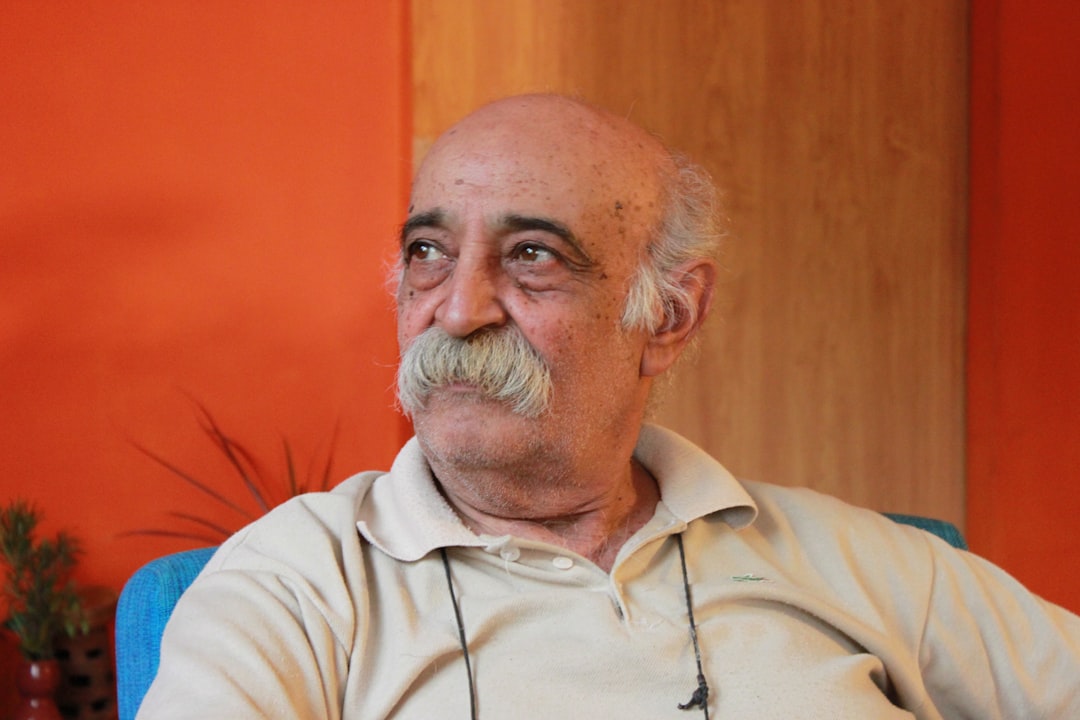
Ivo Mirchev, a prominent Bulgarian politician and member of the European Parliament, has sparked intense debate across the Balkans with his recent political maneuvers ahead of the upcoming national elections. Known for his sharp rhetoric and populist stance, Mirchev has once again placed himself at the center of Bulgaria’s political storm. His latest actions have drawn both fervent support and fierce criticism, highlighting the deep divisions within Bulgarian society. As the country braces for another round of elections, Mirchev’s influence is being closely watched not only in Sofia but also across the region, where political polarization is increasingly common.
The controversy stems from Mirchev’s public acknowledgment of what he terms as a "populist move" by the ruling coalition. In a recent interview, he criticized the government’s handling of economic reforms and social policies, accusing them of prioritizing short-term political gains over long-term stability. This bold statement has resonated with many voters who feel disillusioned with the status quo. Mirchev’s ability to tap into public frustration has made him a key figure in the current political landscape, raising questions about the future direction of Bulgarian politics.
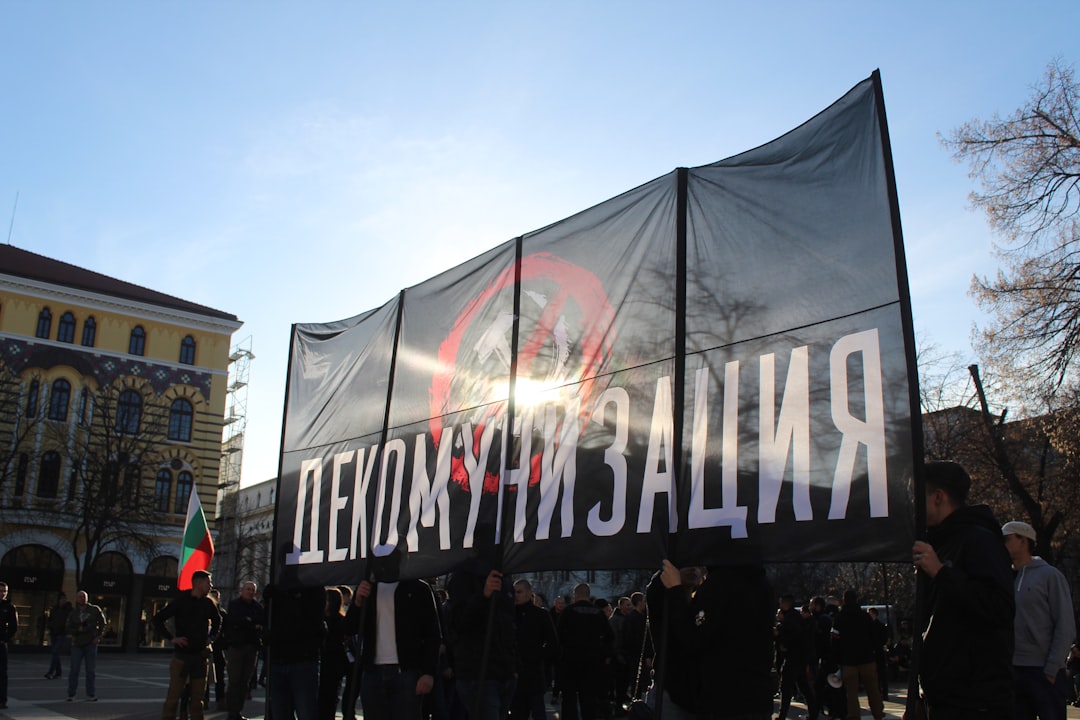
Background: The Rise of Ivo Mirchev
Ivo Mirchev first entered the political spotlight as a member of the European Parliament, where he quickly established himself as a vocal advocate for conservative values and national sovereignty. His rise to prominence was fueled by his ability to articulate the concerns of everyday Bulgarians, particularly those affected by economic hardship and perceived cultural erosion. Mirchev’s political career has been marked by a series of high-profile confrontations with both domestic and international figures, further cementing his reputation as a maverick politician.
His political journey has not been without controversy. Critics have accused Mirchev of employing demagogic tactics and spreading misinformation to galvanize his base. However, his supporters argue that he is one of the few politicians willing to challenge the entrenched political establishment and speak truth to power. This dichotomy has made Mirchev a polarizing figure, with his every move closely scrutinized by both allies and adversaries.
Mirchev’s recent comments about the ruling coalition’s "populist move" are part of a broader strategy to position himself as a leading opposition voice. By framing the government’s actions as a betrayal of public trust, he aims to capitalize on the growing dissatisfaction among voters. This approach has proven effective in the past, allowing him to maintain a strong presence in Bulgarian politics despite facing numerous challenges.
Significance and Impact: A Divided Nation
The impact of Mirchev’s statements extends beyond the realm of political discourse, touching on deeper societal issues. Bulgaria has long struggled with issues of corruption, economic inequality, and political instability. Mirchev’s rhetoric taps into these underlying tensions, offering a narrative that resonates with many citizens who feel left behind by the country’s development. His ability to articulate these grievances has made him a powerful voice in the political arena, even as his methods remain contentious.
The ruling coalition’s response to Mirchev’s criticism has been swift and forceful. Government officials have dismissed his claims as baseless and politically motivated, accusing him of undermining national unity during a critical period. This exchange has further polarized the political landscape, with supporters of both sides engaging in heated debates online and in public forums. The situation has raised concerns about the potential for increased social unrest, particularly as the country approaches another round of elections.
Analysts suggest that Mirchev’s strategy could have significant implications for the upcoming elections. If he succeeds in framing the debate around issues of corruption and economic inequality, he may be able to sway undecided voters and gain ground in key constituencies. However, his tactics also risk alienating moderate voters who are wary of his confrontational style. The outcome of this political battle will likely shape the future of Bulgarian politics, with far-reaching consequences for the entire region.
Balkan Angle: Regional Implications
Mirchev’s political maneuvering in Bulgaria is not an isolated event but part of a broader trend of populist politics sweeping across the Balkans. Countries like Serbia, Croatia, and Romania have also seen the rise of populist leaders who have capitalized on public discontent to gain political power. Mirchev’s success in Bulgaria could inspire similar movements in neighboring countries, potentially reshaping the political landscape of the entire region.
The Balkans have historically been a region of political instability, with frequent changes in government and shifts in political ideology. Mirchev’s rise to prominence reflects the growing frustration among citizens who feel that traditional political parties have failed to address their concerns. His ability to connect with voters on an emotional level has made him a formidable opponent, even as his methods remain controversial.
For international observers, Mirchev’s political journey offers valuable insights into the dynamics of populist politics in the Balkans. His success or failure in the upcoming elections will provide important clues about the future direction of the region. If Mirchev and other populist leaders continue to gain ground, it could lead to increased political polarization and instability, with significant implications for regional cooperation and integration into European institutions.
As Bulgaria prepares for another round of elections, the eyes of the region will be on Ivo Mirchev. His ability to navigate the complex political landscape and maintain his support base will be a key factor in determining the outcome. Whether he succeeds in reshaping Bulgarian politics or faces a backlash remains to be seen, but his impact on the political discourse is undeniable.
What to watch for next is the reaction of other political parties and the extent to which Mirchev’s narrative gains traction among the general public. The upcoming elections will be a critical test of his political strategy and his ability to unify his base. For readers, this situation highlights the ongoing challenges of political polarization and the importance of informed civic engagement in shaping the future of the Balkans.


Comments