


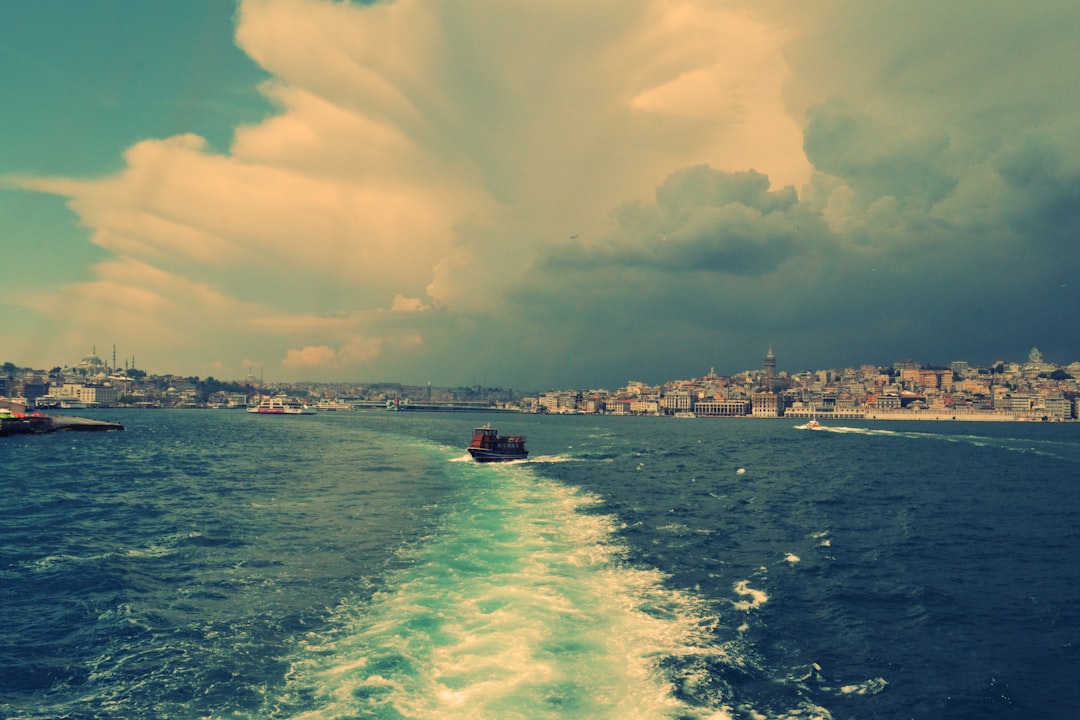
Residents and commuters in Istanbul are preparing for significant weather disruptions as heavy rainfall and strong winds are expected to sweep through Turkey's largest city this week. According to the Turkish State Meteorological Service (MGM), the atmospheric conditions are driven by a low-pressure system moving from the Aegean Sea, bringing a mix of precipitation and gusty winds to both the European and Asian sides of the metropolis. This weather event is particularly concerning for a city that has faced infrastructure challenges during previous storms, raising immediate concerns about traffic congestion, potential flooding in low-lying areas, and safety for pedestrians.
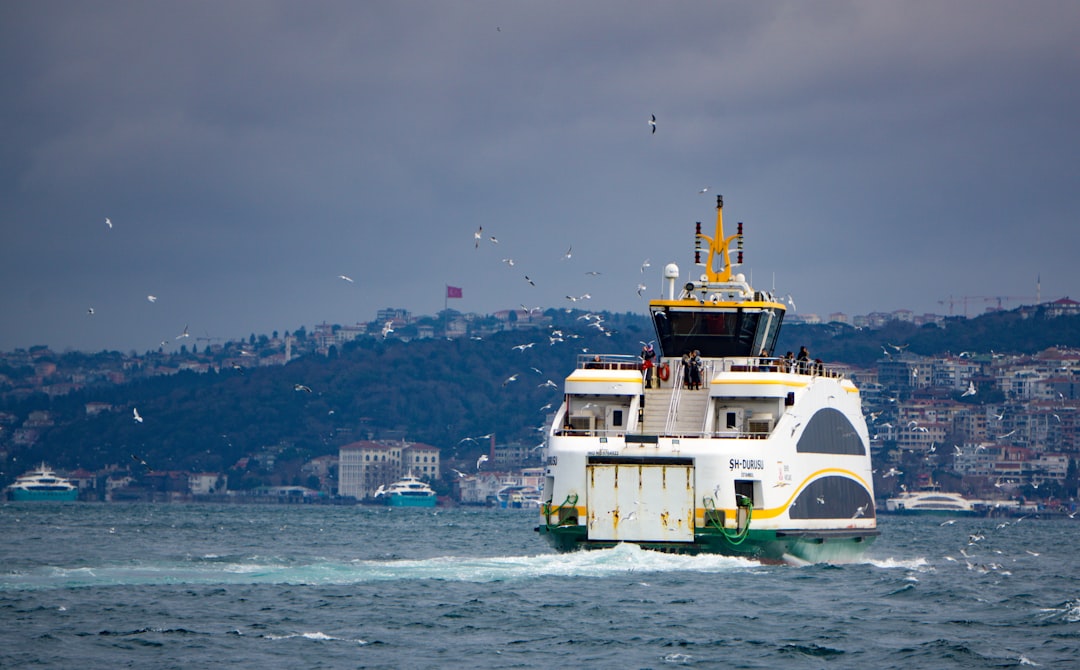
The forecast indicates that the rain will intensify throughout the day, with peak intensity expected during the evening commute hours. Meteorologists have issued warnings for coastal areas, advising mariners and ferry operators to exercise caution due to rough seas. For the millions of residents who rely on the Bosphorus ferries for daily transport, this weather pattern could lead to schedule adjustments or temporary suspensions, adding to the logistical strain on the city's transportation network.
Weather Patterns and Meteorological Forecasts
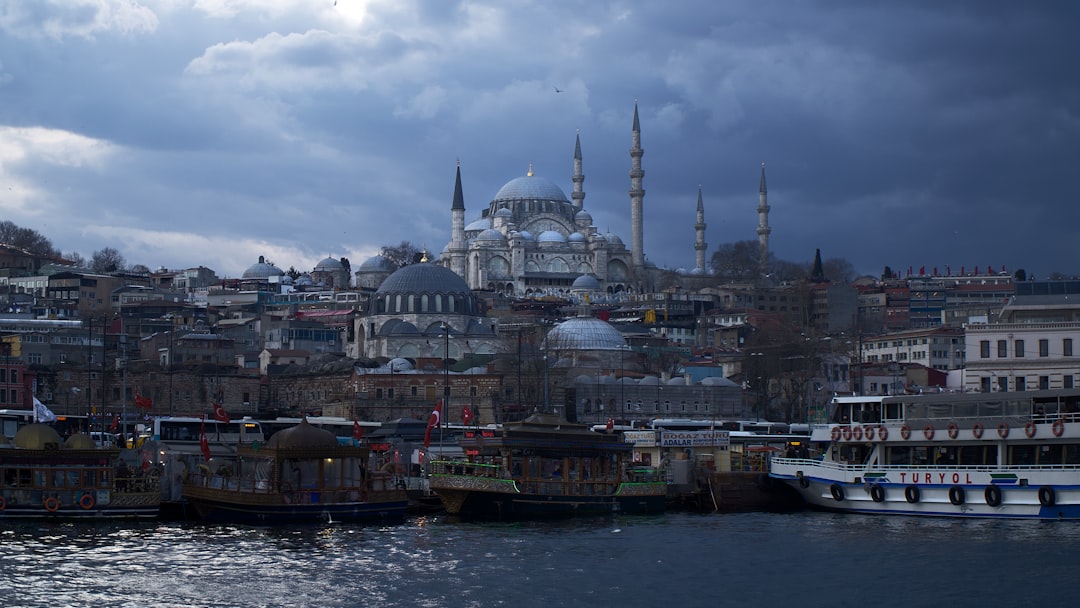
The incoming weather system is part of a broader shift in regional atmospheric conditions affecting the Balkans and the Eastern Mediterranean. High-pressure systems that have kept temperatures relatively mild are giving way to unstable air masses, resulting in cloud cover and precipitation. The MGM has highlighted that wind speeds could reach significant levels, particularly in open areas and along the Bosphorus Strait, where the narrow geography often amplifies wind effects. These conditions are not uncommon for the season, but the intensity predicted for this specific event has prompted heightened awareness among local authorities.
Historical data shows that Istanbul experiences variable weather patterns due to its unique location straddling two continents. The city's topography, with hills rising from the sea level, can cause localized variations in rainfall intensity. Some districts may experience brief but heavy downpours, while others might see lighter, prolonged rain. This variability makes accurate forecasting challenging, requiring continuous monitoring by meteorological teams. The current system is expected to linger for 24 to 48 hours before moving eastward, affecting other parts of Turkey before dissipating.
International weather models, including those from the European Centre for Medium-Range Weather Forecasts (ECMWF), align with local predictions, confirming the trajectory and intensity of the low-pressure system. This convergence of data provides a higher degree of confidence in the forecast, allowing emergency services and municipal authorities to prepare adequately. The potential for thunderstorms has also been noted, which could lead to sudden spikes in wind speed and hail in certain neighborhoods, further complicating outdoor activities and travel plans.
Impact on Infrastructure and Daily Life
The immediate impact of the storm is expected to be felt most acutely in Istanbul's transportation network. The city's public transit system, including the Metrobüs, subway lines, and tram networks, is generally resilient, but surface-level traffic is likely to slow significantly. Commuters are advised to allow extra time for travel and to consider alternative routes if possible. The Istanbul Metropolitan Municipality (IBB) has likely deployed additional drainage crews to clear blockages in storm sewers, a common preventive measure to mitigate urban flooding.
Flooding remains a persistent concern in Istanbul, particularly in areas with older drainage infrastructure or where construction has altered natural water flow. Previous years have seen instances where heavy rain led to submerged roads and stranded vehicles. Authorities are urging residents to avoid driving through flooded areas and to park vehicles in higher ground if possible. Schools and businesses may also adjust their operations, with some institutions potentially closing early or shifting to remote work to ensure the safety of employees and students.
The tourism sector, a vital part of Istanbul's economy, may also experience disruptions. Tourists visiting historical sites such as the Hagia Sophia or the Topkapi Palace might find outdoor exploration less comfortable during the peak of the storm. Hotel staff and tour operators are expected to provide updated information to guests, suggesting indoor alternatives such as museums and cultural centers. The resilience of the hospitality industry in adapting to weather changes will be tested, but the city's extensive indoor offerings provide ample alternatives for visitors seeking shelter from the rain.

Balkan and Regional Weather Context
The weather system affecting Istanbul is part of a larger pattern influencing the broader Balkan region, including Greece, Bulgaria, and Northern Macedonia. As the low-pressure system moves eastward, it may interact with other atmospheric fronts, potentially bringing cooler temperatures and precipitation to neighboring countries. This interconnectedness highlights the importance of regional meteorological cooperation, as weather events do not respect national borders. Observers in the Balkans are monitoring the system's progression to anticipate any secondary effects on their local weather conditions.
For audiences in the Balkans, the situation in Istanbul serves as a reminder of the volatility of weather in the Eastern Mediterranean and Southeastern Europe. Similar patterns can affect coastal cities in Greece, such as Thessaloniki, or Bulgarian resorts along the Black Sea. The shared climatic characteristics of the region mean that weather warnings issued in Turkey often have relevance for neighboring countries, particularly in terms of maritime safety and agricultural planning. Farmers in the Balkans may also be watching the skies, as changes in precipitation patterns can impact crop yields and soil moisture levels.
Understanding these broader meteorological trends is essential for regional planning and disaster preparedness. As climate change continues to influence weather patterns, the frequency and intensity of extreme weather events are expected to increase. This makes it imperative for Balkan countries to enhance their early warning systems and infrastructure resilience. The current storm in Istanbul is a timely example of why such preparedness is necessary, offering lessons for other regions that may face similar challenges in the near future.
Residents of Istanbul and travelers to the city are advised to stay informed through official channels, such as the MGM website and local news outlets, for real-time updates. As the storm passes, authorities will assess any damage and work to restore normalcy to the city's bustling rhythm. For now, the focus remains on safety, with a collective effort to navigate the weather challenges with minimal disruption to daily life and the city's enduring spirit.

Comments