


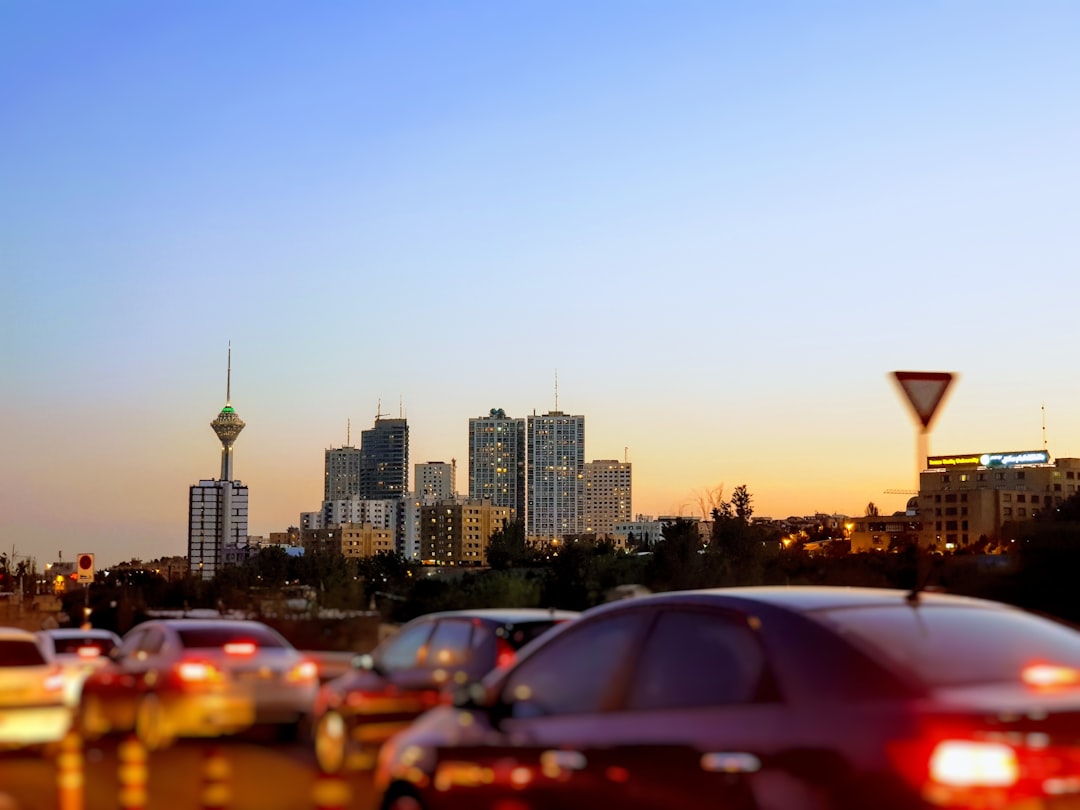
The Islamic Republic of Iran has once again become the focal point of intense international scrutiny, as recent developments regarding its nuclear program and regional proxy activities have triggered a wave of diplomatic urgency. Western powers, particularly the United States and European Union members, have expressed deep concern over Tehran's accelerated uranium enrichment efforts, which appear to be nearing weapons-grade levels. This escalation coincides with heightened military posturing across the Middle East, raising fears of a broader conflict that could destabilize energy markets and disrupt global supply chains. For the Balkans, a region historically sensitive to geopolitical shifts and energy dependency, the situation in Iran carries significant implications for economic stability and security cooperation with Western allies.
At the heart of the controversy is Iran's refusal to fully comply with the International Atomic Energy Agency's (IAEA) inspection demands. The IAEA, headquartered in Vienna, has reported that Iranian officials have restricted access to several key nuclear facilities, hampering efforts to verify the peaceful nature of their program. This defiance marks a significant departure from previous agreements, including the Joint Comprehensive Plan of Action (JCPOA), which was designed to curb Iran's nuclear capabilities in exchange for sanctions relief. The breakdown of these diplomatic frameworks has left the international community scrambling to formulate a coherent response, balancing the need for deterrence with the desire to avoid direct military confrontation.

The Nuclear Stalemate and International Response
The current standoff is characterized by a complex web of diplomatic maneuvers and covert operations. The United States, under the Biden administration, has reiterated its commitment to a "comprehensive, durable, and verifiable" agreement, but has simultaneously increased sanctions pressure on Iranian entities involved in nuclear and missile development. European partners, including France, Germany, and the United Kingdom—collectively known as the E3—have echoed these calls for restraint, emphasizing the importance of diplomatic solutions. However, internal political divisions within Europe, particularly regarding energy security and migration policies, have complicated a unified stance. The Balkan nations, many of which are EU members or aspirants, are closely monitoring these developments, as any disruption in regional stability could impact their own strategic interests and integration trajectories.
Meanwhile, Russia and China have voiced support for Iran's right to peaceful nuclear energy, often blocking stronger condemnations in the United Nations Security Council. This geopolitical alignment underscores the broader rivalry between major powers, with Iran serving as a proxy battleground for influence in the Middle East. The involvement of these global powers adds a layer of complexity to the crisis, as any unilateral action by Western nations could provoke a retaliatory response from Tehran or its allies. The potential for miscalculation remains high, with both sides engaging in rhetorical brinkmanship that risks escalating tensions beyond diplomatic control.
Furthermore, the role of non-state actors and regional militias aligned with Iran has intensified fears of a multi-front conflict. Groups such as Hezbollah in Lebanon and various militias in Iraq and Syria have been implicated in recent attacks against Western interests, signaling Tehran's willingness to project power beyond its borders. This network of influence, often referred to as the "Axis of Resistance," poses a significant challenge to regional stability and complicates efforts to isolate Iran diplomatically. The Balkans, with its own history of ethnic and political fragmentation, serves as a cautionary tale of how external interference can exacerbate internal divisions, making the situation in Iran a relevant case study for regional policymakers.
Economic Implications and the Balkan Connection
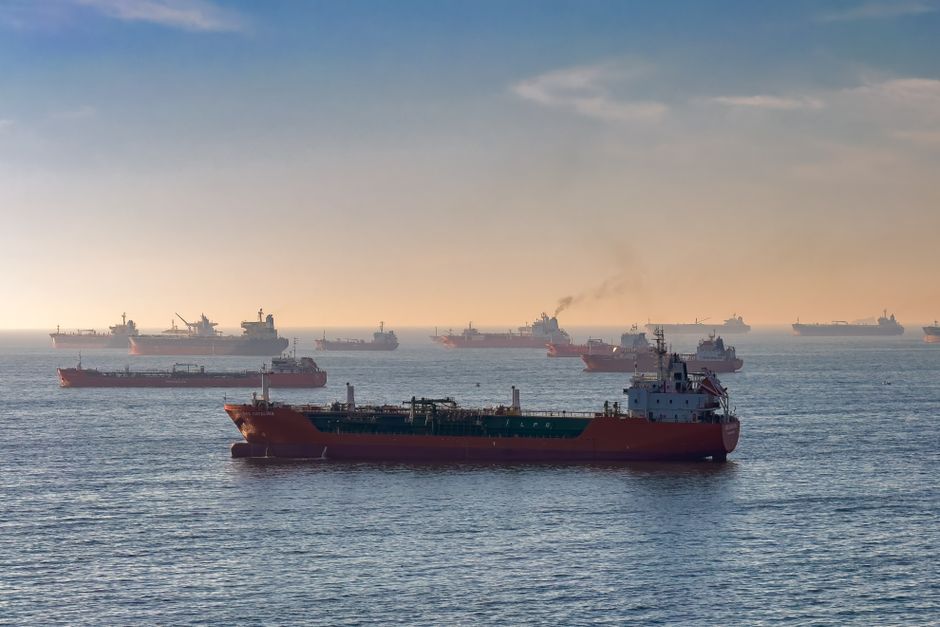
The economic ramifications of the Iran crisis extend far beyond the Middle East, affecting global energy markets and trade routes. Iran's strategic location along the Strait of Hormuz, through which a significant portion of the world's oil passes, makes any threat to regional stability a direct concern for global economies. Recent spikes in oil prices, driven by fears of supply disruptions, have already begun to impact inflation rates worldwide, including in the Balkans. For countries like Serbia, Croatia, and Romania, which are heavily dependent on imported energy, rising costs could strain household budgets and hinder economic growth. The European Union's efforts to diversify its energy sources away from Russian gas have further complicated the landscape, as Iran remains a potential, albeit controversial, alternative supplier.
Additionally, the crisis has reignited debates about migration and security cooperation. Iran has historically been a transit country for migrants seeking to reach Europe, and any instability in the region could lead to new waves of displacement. The Balkans, as a key gateway to the EU, has faced significant challenges in managing migration flows in the past, and policymakers are wary of a repeat of the 2015 crisis. The situation in Iran thus intersects with broader European security concerns, prompting calls for enhanced border controls and increased cooperation among Balkan nations and their EU partners. This dynamic highlights the interconnected nature of global security, where events in one region can have profound effects on distant shores.
Moreover, the potential for cyber warfare and economic sanctions to impact Balkan businesses and financial institutions cannot be overlooked. Iranian state-sponsored cyberattacks have targeted entities in Europe and North America, and the Balkans, with its growing digital infrastructure, could become a new target. Conversely, strict sanctions regimes may inadvertently harm legitimate trade relationships, creating legal and logistical hurdles for Balkan companies engaged in international commerce. Navigating this complex regulatory environment requires careful diplomatic engagement and robust cybersecurity measures, underscoring the need for regional cooperation and alignment with EU standards.
Looking Ahead: Diplomatic Pathways and Regional Risks
As the crisis unfolds, the international community faces a critical juncture in determining the future of Iran's nuclear program and its role in regional geopolitics. Diplomatic channels remain open, with backdoor negotiations continuing between Washington and Tehran, often facilitated by intermediaries such as Oman and Switzerland. However, the trust deficit between the two sides is significant, and past failures to reach a lasting agreement cast a long shadow over current efforts. The upcoming elections in key Western democracies, including the United States and several European nations, could further complicate the diplomatic landscape, as new administrations may adopt different approaches to Iran policy.
For the Balkans, the lesson is clear: regional stability is inextricably linked to global security dynamics. Policymakers must remain vigilant, fostering strong alliances and enhancing their own security capabilities to mitigate the risks of spillover effects. Engagement with international partners, particularly through NATO and the EU, will be essential in addressing the multifaceted challenges posed by the Iran crisis. By staying informed and proactive, Balkan nations can better navigate the uncertainties of the modern geopolitical landscape, ensuring their sovereignty and prosperity in an increasingly volatile world.
Ultimately, the situation in Iran serves as a stark reminder of the interconnectedness of global affairs. Whether through nuclear diplomacy, energy markets, or security threats, the actions of one nation can ripple across continents, affecting lives and livelihoods far from the epicenter. As the world watches and waits, the hope remains that reason and diplomacy will prevail, averting a conflict that would have devastating consequences for all. For now, the focus must be on de-escalation, transparency, and the restoration of international norms that uphold peace and stability.


Comments