


The Iran national football team has been instructed by its government to depart the United States immediately following the conclusion of their World Cup qualifying matches, marking a significant escalation in diplomatic tensions between Tehran and Washington. This directive, issued by Iran's Ministry of Sports and Youth, requires the squad to leave US territory without delay after their final fixture, effectively banning any post-match tourism, business meetings, or extended stays that were previously part of the team's itinerary. The move underscores the increasingly politicized environment surrounding international sports, where national teams are often caught in the crossfire of broader geopolitical disputes. For Balkan audiences, who closely follow global football dynamics, this incident highlights how regional conflicts and diplomatic standoffs can disrupt sporting events and player movements on an international scale.
The order comes amid heightened scrutiny of Iran's activities abroad and reflects a broader strategy by the Iranian government to minimize its exposure to Western jurisdictions. Team officials confirmed that all flights have been rebooked for immediate departure, and players are prohibited from engaging with local media or fans beyond the stadium premises. This strict enforcement signals a shift in how Iran manages its international sporting engagements, prioritizing security and political messaging over traditional sports diplomacy. The incident has drawn attention from global football bodies, including FIFA, which has called for calm and emphasized the need to keep sports separate from political conflicts. However, the reality on the ground suggests that football remains deeply intertwined with national identity and foreign policy.
Background and Diplomatic Context
The relationship between Iran and the United States has been fraught with tension for decades, characterized by sanctions, diplomatic boycotts, and mutual accusations of interference. In recent years, this hostility has extended to various sectors, including culture, education, and sports. Iranian athletes and teams have faced increased restrictions when traveling to the US, with visa processes becoming more stringent and security concerns cited as the primary reason. The decision to mandate an immediate exit for the football team is the latest manifestation of this ongoing conflict, reflecting a broader trend of using sports as a tool for political leverage.
This development follows a series of incidents where Iranian officials have criticized Western nations for what they perceive as unfair treatment of their athletes. In response, the Iranian government has sought to assert its sovereignty by controlling the movements and activities of its national teams abroad. The Ministry of Sports and Youth has stated that the team's safety and dignity are paramount, and that any extended stay in the US would compromise these principles. This stance is consistent with Iran's broader foreign policy approach, which emphasizes resistance to Western influence and the promotion of national pride through sports.
For the players and coaching staff, this directive presents significant logistical and emotional challenges. Many athletes had planned to use the trip as an opportunity to engage with fans, explore new cultures, and build connections with international counterparts. The sudden cancellation of these plans has been met with disappointment and frustration, particularly among younger players who see such experiences as valuable for their personal and professional growth. Despite these challenges, the team has been instructed to maintain professionalism and focus on their sporting duties, underscoring the complex balance between athletic performance and political reality.
Impact on International Football and Balkan Perspectives
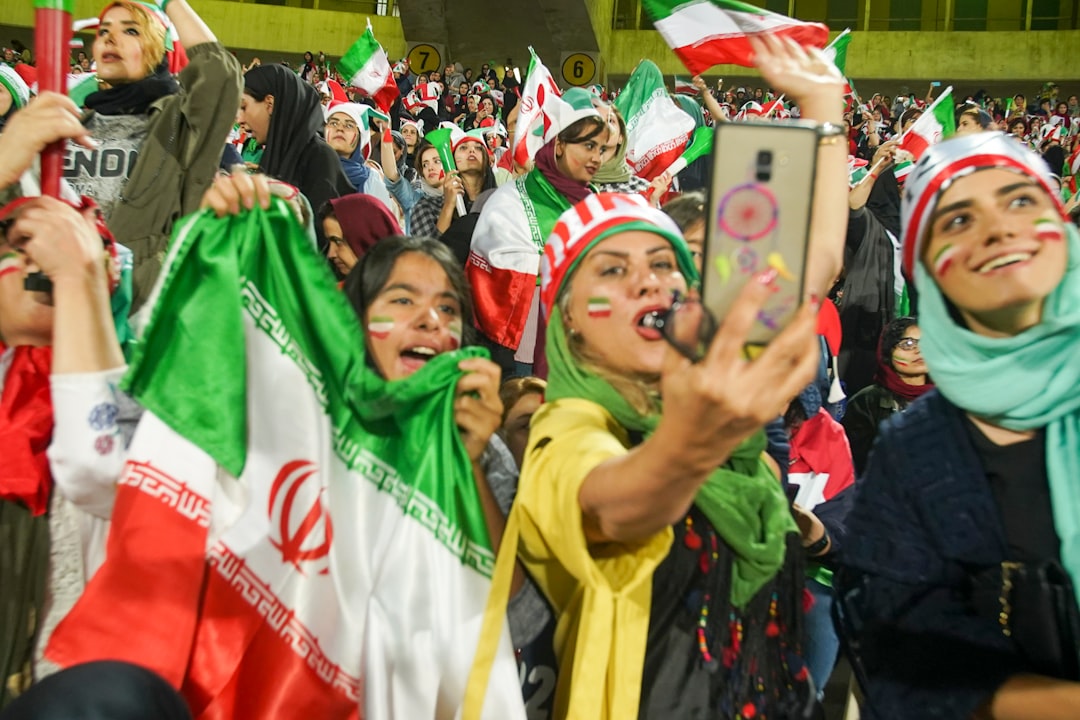
The incident has sparked debate within the international football community about the role of politics in sports and the responsibility of governing bodies to protect athletes from political interference. UEFA and other regional confederations have expressed concern over the growing politicization of football, warning that such trends could undermine the spirit of fair play and international cooperation. Critics argue that sports should remain a neutral ground where athletes can compete without fear of political repercussions, while others contend that it is unrealistic to expect sports to be completely insulated from global affairs.
From a Balkan perspective, this situation resonates with regional experiences where sports have often been used as a platform for political expression and national identity. Countries in the Balkans have historically leveraged football and other sports to assert their sovereignty and gain international recognition, particularly during periods of conflict or transition. The case of Iran serves as a reminder of how sports can be both a bridge and a barrier in international relations, depending on the political climate. Balkan fans and analysts are closely watching how this situation unfolds, drawing parallels to their own histories of sports diplomacy and political tension.
Moreover, the incident highlights the challenges faced by athletes from countries with strained diplomatic relations. Players from Iran, like their counterparts in other regions, must navigate a complex web of political expectations and personal aspirations. The pressure to represent their nation while adhering to strict government directives can be overwhelming, particularly in high-stakes international competitions. This dynamic is not unique to Iran but is a reality for many athletes from countries with complex geopolitical relationships, making it a topic of interest for Balkan audiences who understand the intersection of sport and politics.
Future Implications and What to Watch For
As the Iranian national football team departs the US, the focus shifts to the potential long-term implications of this directive. Sports analysts predict that similar restrictions could be imposed on other Iranian teams and athletes traveling to Western countries, further isolating Iran in the global sports community. This trend could lead to a reduction in international competitions hosted by or involving Iran, impacting the development of football in the country and limiting opportunities for its athletes to compete at the highest level.
For the Balkan region, this situation offers a cautionary tale about the fragility of sports diplomacy and the potential for political conflicts to disrupt athletic events. It underscores the importance of maintaining open channels of communication between sports governing bodies and national governments to ensure that athletes can compete freely and safely. As global tensions continue to evolve, the role of sports in bridging divides or exacerbating conflicts will remain a critical issue for policymakers, athletes, and fans alike.
In the immediate future, attention will turn to how the Iranian football federation responds to this directive and whether it seeks to negotiate with international bodies to protect the interests of its athletes. The outcome of this situation could set a precedent for how similar conflicts are handled in the future, making it a key development to monitor for anyone interested in the intersection of sports, politics, and international relations. Balkan audiences, with their own rich history of sports and political interplay, are well-positioned to understand the nuances of this ongoing story.
Comments