


A Record Shattered on the Pitch
The whistle has barely blown on the group stage, but the history books are already being rewritten. The 2026 FIFA World Cup, sprawling across the stadiums of United States, Mexico, and Canada, has delivered a statistical anomaly that no analyst predicted. Eight draws. In the first sixteen matches. Exactly half of all games played have ended in a stalemate.
Never before in the 98-year history of the World Cup has the opening two rounds seen such a deadlock. Critics who argued that expanding the tournament to 48 teams would dilute the quality have been silenced by the sheer parity on display. This is not diluted football; this is fiercely contested, tactical chess played at full speed.
The Upset Kings and Tactical Stalemates
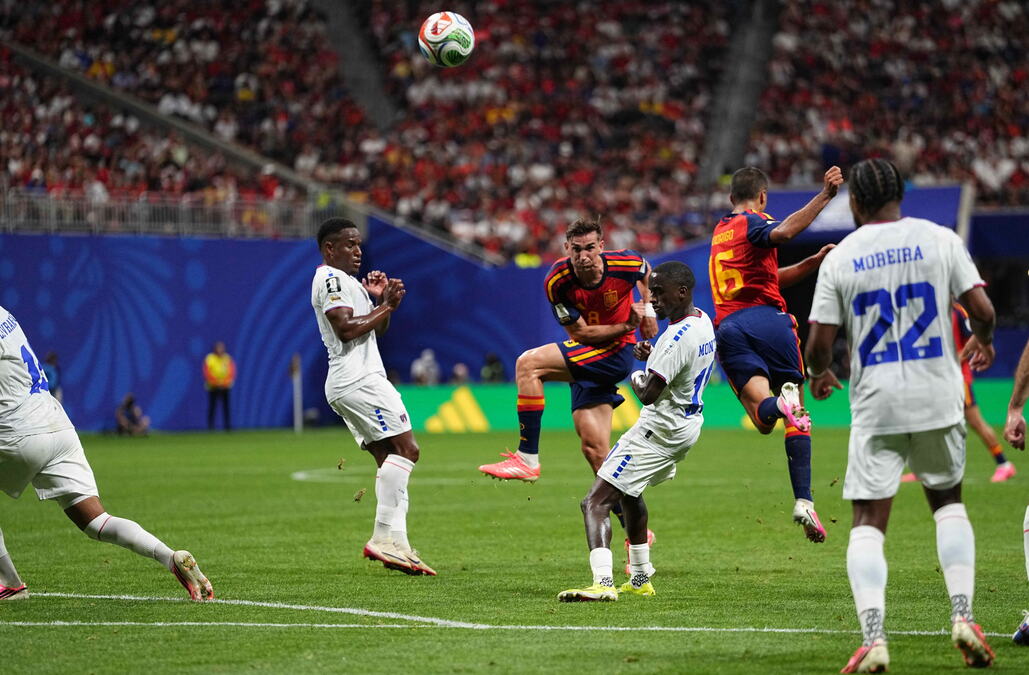
The results read like a fever dream for traditionalists. Cape Verde held the powerhouse of Spain to a scoreless draw, stealing a point in a masterclass of defensive resilience. Brazil, the eternal giants, were stymied by Morocco in a 1-1 grind. Japan and the Netherlands exchanged blows in a thrilling 2-2 draw, while Egypt held Belgium to a 1-1 share.
Other notable stalemates include Canada versus Bosnia and Herzegovina (1-1), Qatar against Switzerland (1-1), Saudi Arabia versus Uruguay (1-1), and Iran against New Zealand (2-2). The message is clear: there are no easy games. Every team is fighting for survival, and every point is worth its weight in gold.
What Does This Mean for the Knockout Stage?
This unprecedented level of parity suggests a knockout phase fraught with penalties and drama. When every team knows they can grab a point against anyone, the psychological edge shifts. The expanded format has not lowered the bar; it has raised the stakes. With the group stage only beginning, the tension is palpable. Who will break through? Who will crumble under pressure? The 2026 World Cup has already proven it is here to stay in the memory of fans forever.

fenerbahce were miles better this season tbh, but honestly didn't see that many draws coming rn... maybe the format is just too soft?