


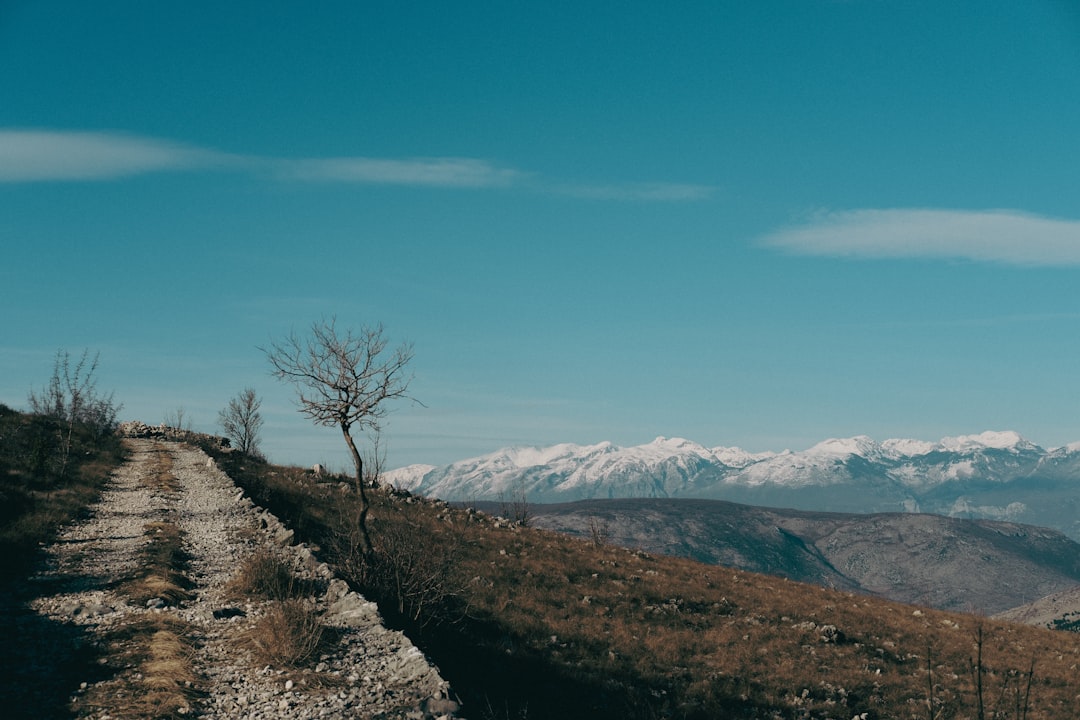
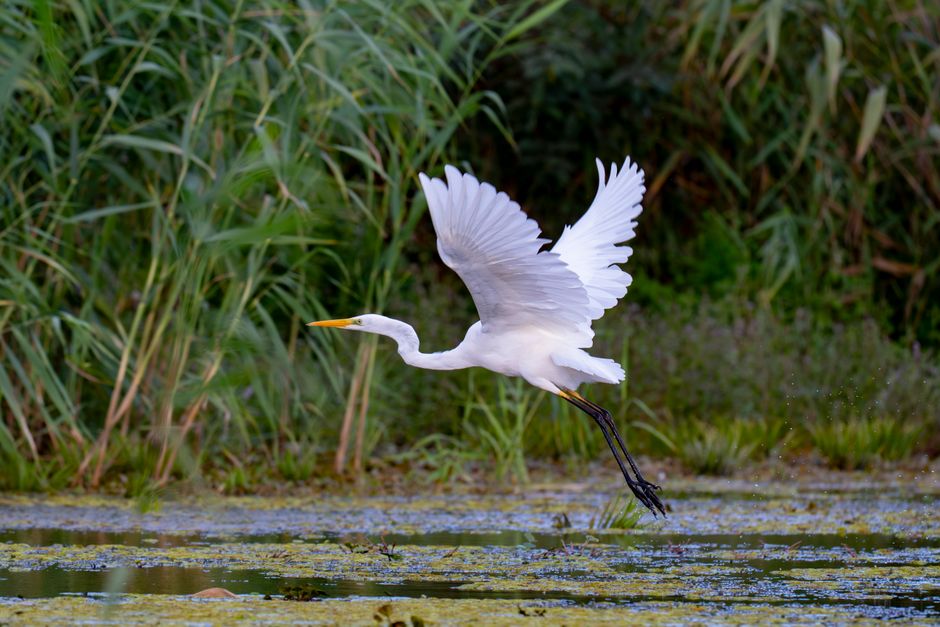
The rain in Bosnia and Herzegovina doesn't just fall; it invades. I was standing knee-deep in the sucking, peat-scented mud of the Hutovo Blato Special Nature Park, watching a great white egret take flight from a reed bed that looked like it had been painted by a madman. My boots, expensive hiking gear bought in a city store, were already losing the war against the terrain. This isn't a hike for the Instagram crowd looking for a quick selfie with a mountain backdrop. This is the Dinaric Alps' wet, wild underbelly. The High Route of the Via Dinarica cuts through some of the most dramatic limestone peaks in the Balkans, but to reach the high ground, you often have to wade through the lowland chaos of the Hutovo Blato marshes first. It's a test of patience, gear, and will.
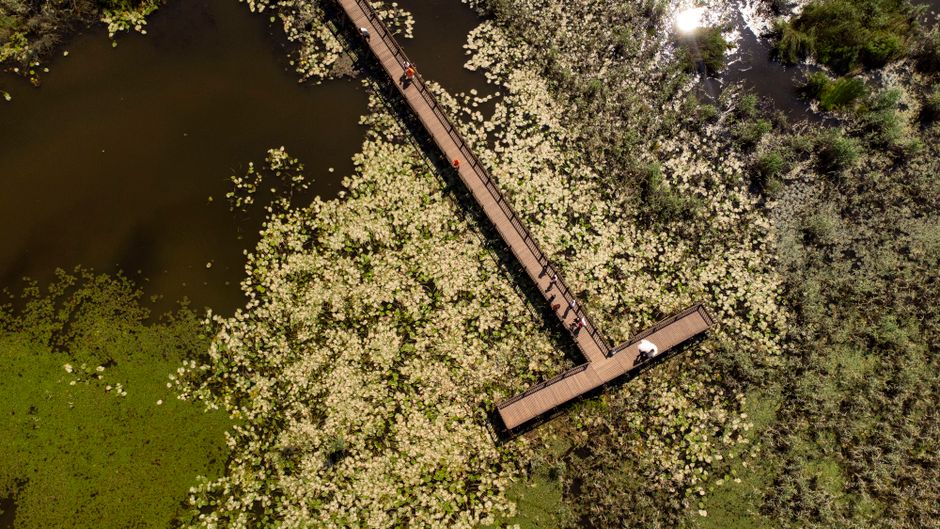
I met a local guide named Emir near the visitor center in Metković, a town in Croatia that serves as the gateway to this Bosnian sanctuary. He laughed when he saw my pristine socks. "You think this is a walk in the park?" he asked, pointing a calloused finger toward the endless horizon of reeds and water. "This is where the Dinarides breathe. The mountains end here, and the wetlands begin. If you want the high route, you respect the mud first." He wasn't wrong. The trail doesn't just cross the park; it interacts with it, weaving through boardwalks, climbing limestone outcrops, and offering views that shift from dense forest to open sky in a matter of minutes.
The Landscape of Water and Stone
Hutovo Blato is not your typical hiking destination. It is a special nature park covering nearly 20,000 hectares of wetlands, forests, and karst fields. The name literally translates to "Muddy Hut," a testament to its historical use as grazing land for livestock and a refuge for shepherds. Today, it is a crucial stopover for migratory birds, hosting over 200 species. For the hiker, this means the trail is alive with movement. The High Route here doesn't follow a single, clear-cut path through a void. It snakes through a complex ecosystem where the boundary between land and water is constantly blurred.
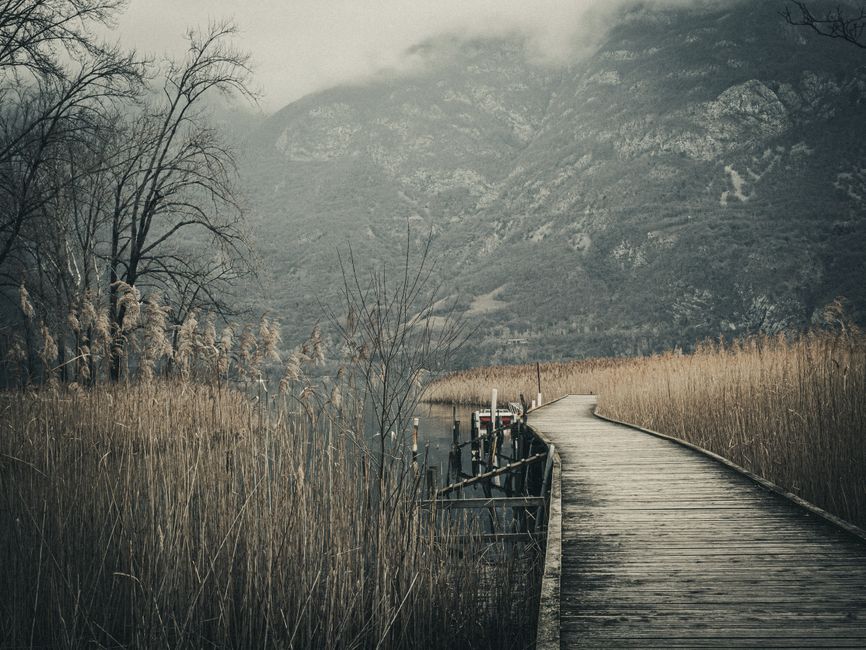
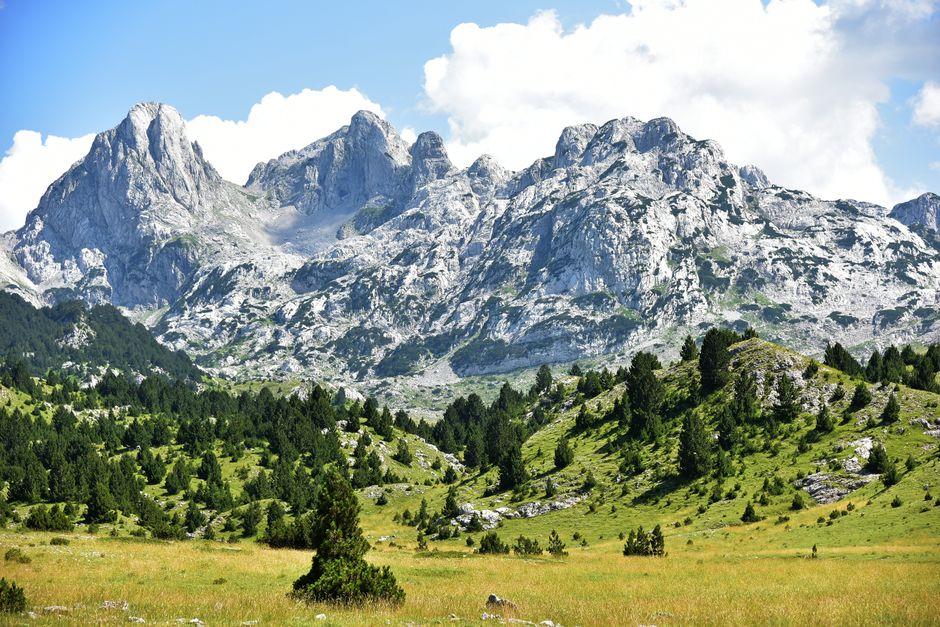
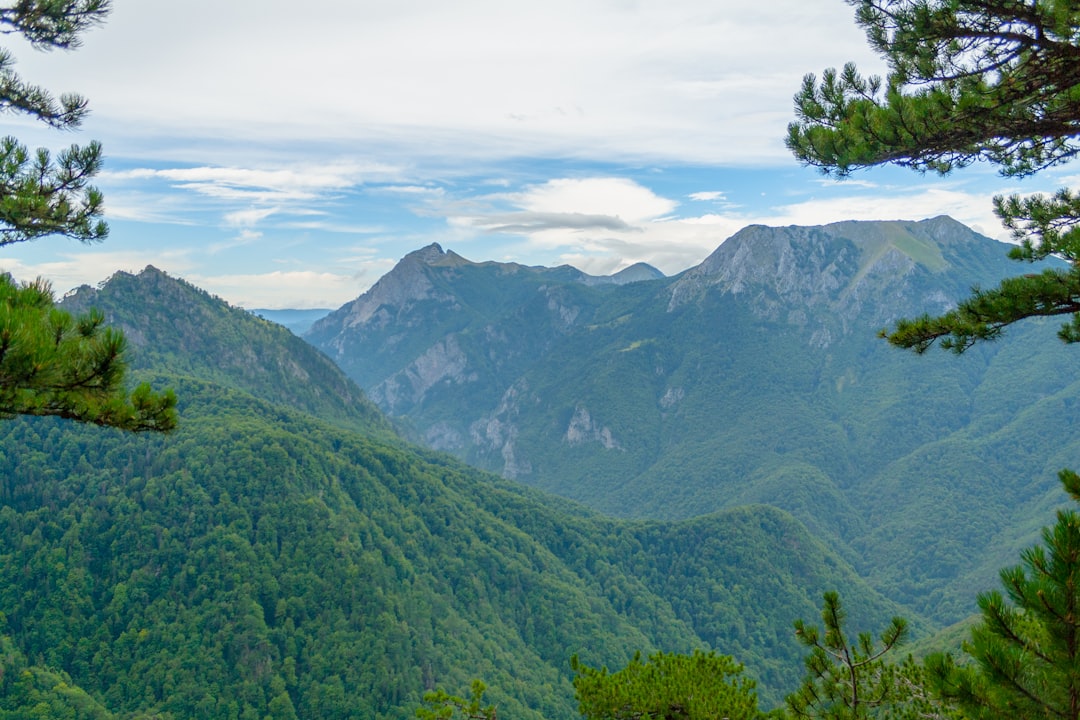
The terrain is a mix of soft, spongy peat soil and hard, jagged limestone. The contrast is jarring. One moment you are walking on a wooden boardwalk, surrounded by the rustle of reeds and the calls of herons. The next, you are scrambling up a rocky ridge, the air thinning and the view opening up to reveal the Adriatic Sea in the distance. This duality is what makes the section so compelling. It's not just a hike; it's a geological and ecological lesson. The limestone karst formations here are some of the most well-preserved in the region, offering a stark, beautiful counterpoint to the lush, green wetlands below.
Trail Conditions and Navigation
Navigating the High Route through Hutovo Blato requires more than just a map. The trail markers are generally well-maintained, thanks to the efforts of the Via Dinarica association, but they can be obscured by vegetation or mud. The path is not a groomed trail; it's a rugged, often overgrown route that demands attention. In the wetter months, sections of the trail can become impassable, forcing hikers to find alternative routes or wait for conditions to improve. This is not a place for a casual stroll. It's a serious trek that requires proper gear, including waterproof boots, gaiters, and a good sense of direction.
The route itself is a mix of old shepherd paths, military trails, and newly established hiking routes. Some sections are steep and rocky, requiring careful footing. Others are flat and muddy, testing your endurance and patience. The key is to move slowly and steadily, taking in the surroundings and respecting the environment. The trail is not just a path; it's a corridor through a living, breathing landscape. Every step is a reminder of the delicate balance between human activity and nature's resilience.
Wildlife and Conservation
One of the most striking aspects of hiking through Hutovo Blato is the sheer abundance of wildlife. The park is a sanctuary for birds, mammals, and reptiles. You're likely to see great white egrets, herons, and storks taking flight from the reed beds. In the forests, you might spot wild boar, deer, or even the rare Dinaric chamois. The presence of these animals is a testament to the park's conservation efforts, which have been ongoing for decades. The local community is deeply involved in protecting this fragile ecosystem, and hikers are expected to follow strict guidelines to minimize their impact.
Conservation is not just a buzzword here; it's a way of life. The park rangers are vigilant, and they work closely with hikers to ensure that the trail remains sustainable. This means staying on the marked path, not disturbing wildlife, and taking all trash with you. It's a small price to pay for the privilege of walking through such a pristine environment. The sense of responsibility is palpable, and it adds a layer of depth to the hiking experience. You're not just a visitor; you're a steward of this land.
Routes & Trail Info
The main route through Hutovo Blato connects the southern entry near Metković to the northern exit near the village of Hutovo. The total distance is approximately 15 kilometers, with an elevation gain of around 300 meters. The estimated duration is 5-6 hours, depending on your pace and the conditions. The difficulty is rated as Intermediate, due to the mixed terrain and potential for muddy sections. The trail is well-marked with the distinctive Via Dinarica markers, but it's always a good idea to carry a map and a GPS device as backup.
There are two main alternatives for hikers looking to extend their journey. The first is a loop through the eastern forests, adding an extra 5 kilometers and 150 meters of elevation. The second is a shorter, easier route along the western boardwalks, suitable for families and less experienced hikers. Both options offer different perspectives on the park's diverse landscapes, from dense oak forests to open marshes. Regardless of the route you choose, the experience is unforgettable.
Getting There & What to Expect
The nearest town with road access to the trailhead is Metković, Croatia, located about 10 kilometers from the southern entry point. From Metković, you can take a local bus or taxi to the visitor center, where the trail begins. The journey from major Balkan hubs like Split or Dubrovnik takes about 2-3 hours by car. Once at the trailhead, you'll find a small parking area and a basic information kiosk. There are no facilities inside the park, so it's essential to bring all your own food, water, and gear.
Accommodation options are limited in the immediate area. The best bet is to stay in Metković, where you can find budget hostels and guesthouses for around 20-40 EUR per night. Mid-range hotels in nearby Ploče offer more comfort for 50-80 EUR per night. For a more rugged experience, camping is allowed in designated areas within the park, but you must register with the park office first. Typical meal prices in local restaurants range from 8-15 EUR for a main course. The best months to visit are spring (April-May) and autumn (September-October), when the weather is mild and the wildlife is most active. Summer can be hot and crowded, while winter brings heavy rain and mud.
Search accommodation in Metković on Booking.com →
The Mud Never Lies
By the time I reached the northern exit near Hutovo, my boots were caked in a layer of dark, peat-rich mud that felt almost like a second skin. I was exhausted, hungry, and thoroughly soaked. But I was also alive in a way I hadn't been in years. The High Route through Hutovo Blato isn't for everyone. It demands respect, preparation, and a willingness to get dirty. But for those who are willing to give it, it offers something rare: a genuine connection to the wild heart of the Balkans. This isn't a hike to conquer; it's a hike to experience. And as I looked back at the endless expanse of reeds and water, I knew I'd be back. The mud never lies, and neither does the trail.
Comments