


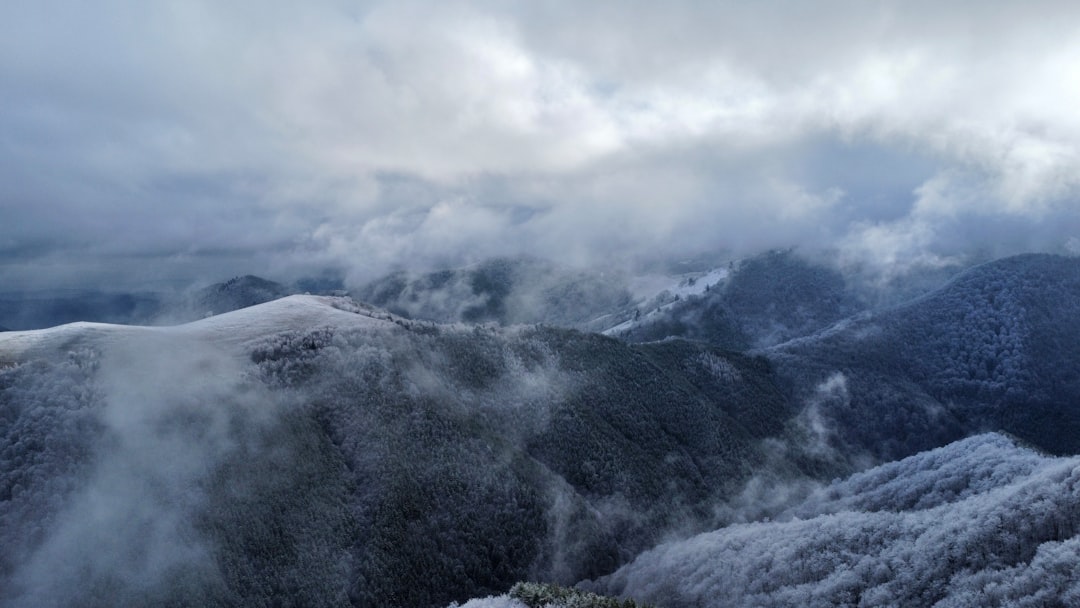
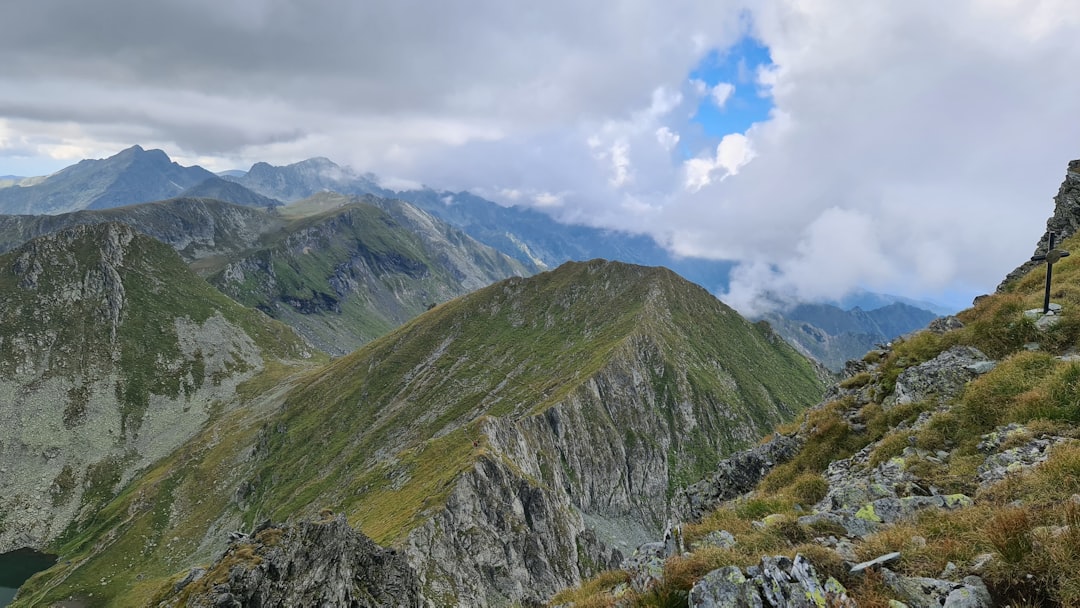
The air up here doesn't just feel thin; it feels aggressive. I stood at the base of Moldoveanu Peak, the highest point in the Carpathians, and the wind hit me like a wet towel. It wasn't the polite breeze you get in the Alps or the Pyrenees. This was raw, unfiltered Eastern European altitude, carrying the scent of pine resin and old snow. I had just spent three hours scrambling over scree that shifted under my boots with the consistency of wet sugar. My lungs burned, my legs trembled, and yet, the view of the jagged ridge line stretching into infinity made every second of suffering feel like a bargain. This isn't a walk in the park. This is the Parcul Natural Făgăraș Fagaras Mountains, and it demands respect.
I met a local shepherd near the trailhead who looked at my expensive hiking gear with a mixture of pity and amusement. He pointed up the valley, then down, then shook his head. He didn't need to speak Romanian for me to understand. He was saying, "You think you know mountains? You don't know anything." He was right. The Fagaras range is a beast of a different breed, a wild, untamed spine running through the heart of Romania Romania, where the terrain changes faster than the weather and the trails are more suggestion than path.
The Wall of the Carpathians
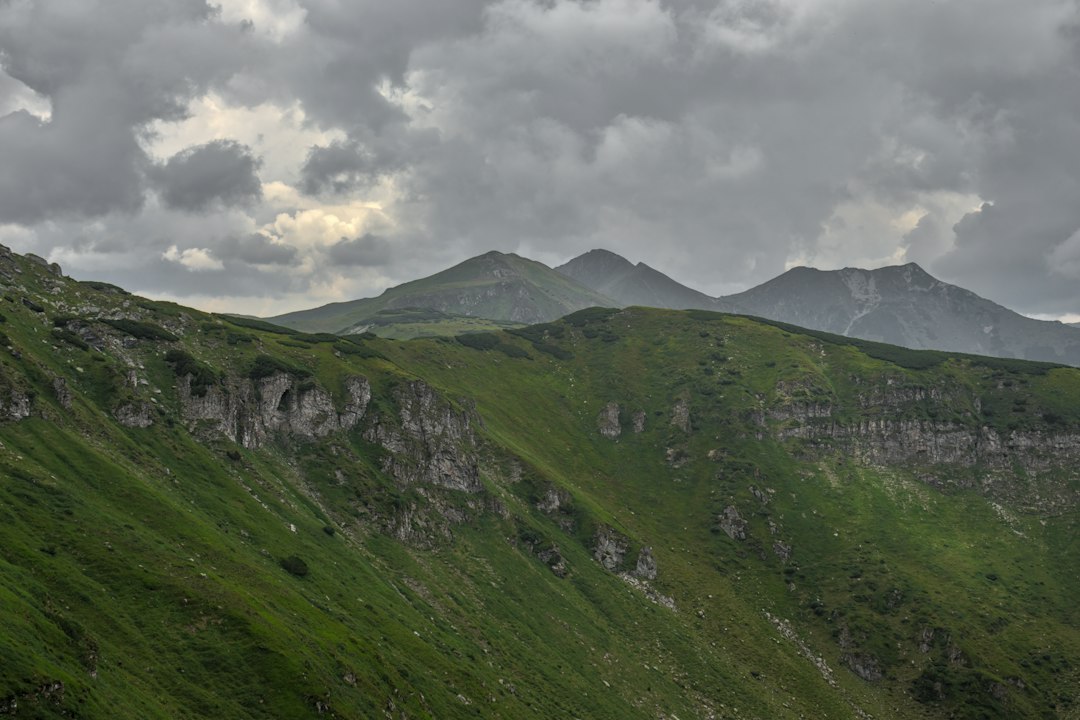
The Fagaras Mountains aren't just a range; they're a barrier. For centuries, these peaks kept invaders at bay and isolated communities in deep valleys. The geology here is brutal — limestone, dolomite, and granite forming sharp, knife-edge ridges that defy easy access. The highest peak, Moldoveanu Peak Moldoveanu Peak, rises to 2,544 meters, but it's not the height that gets you. It's the exposure. One wrong step on the ridge and you're looking down a drop that would make a cat hesitate.
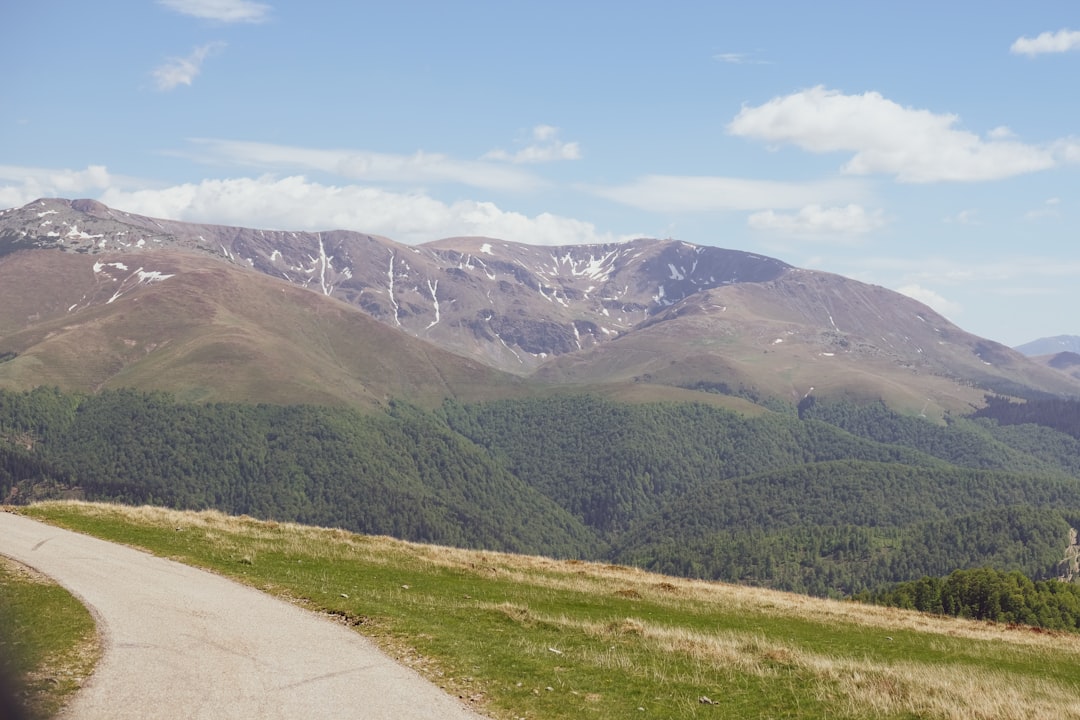
What makes the Fagaras unique is its alpine character. Unlike the softer, rounded peaks of other Carpathian ranges, these mountains have true alpine terrain — glaciers carved the valleys, and the rocks are jagged and unforgiving. The Parcul Natural Făgăraș Fagaras Mountains is a protected natural park, but it's not manicured. There are no cable cars to whisk you to the top, no tourist traps selling overpriced trinkets. Just rock, ice, and silence. It's the last true wilderness in Central Europe, and it shows.
The weather here is a wildcard. I've seen clear skies turn to whiteout blizzards in under an hour. Temperatures can swing from 20°C in the valleys to below freezing on the summits, even in summer. You need to be prepared for anything. The mountains don't care about your itinerary. They operate on their own schedule, and they're not known for being lenient.
The Transfagarasan: The Road to Nowhere
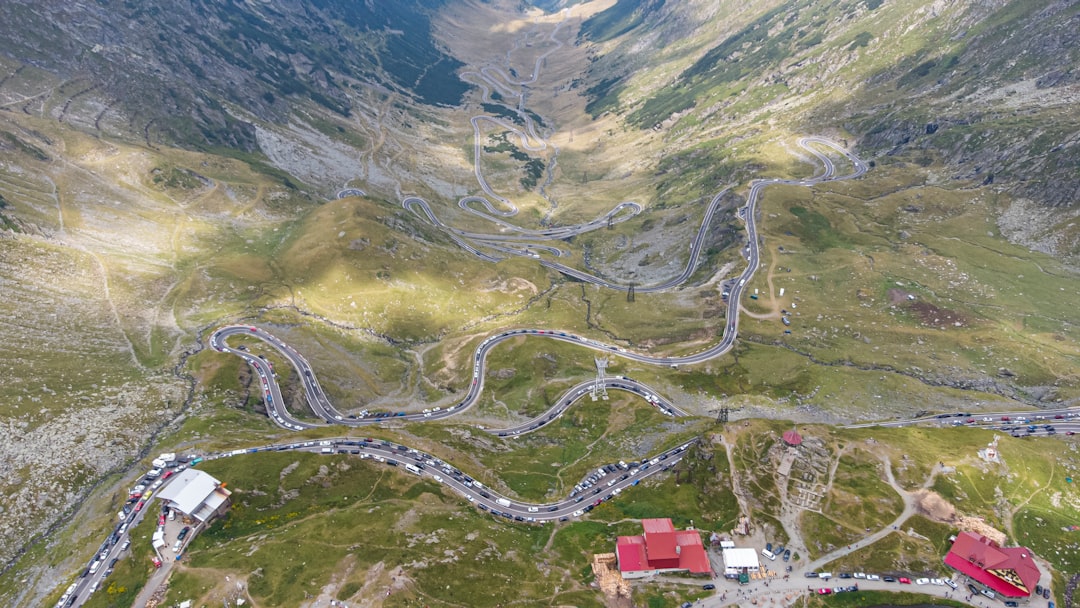
You can't talk about the Fagaras without mentioning the Transfagarasan Highway Transfagarasan. It's the most famous road in Romania, and for good reason. Built in the 1970s as a military route to connect Bucharest to the north, it's a engineering marvel and a nightmare combined. The road snakes through the mountains, climbing and descending over 200 hairpin turns, crossing tunnels, and reaching altitudes above 2,000 meters. It's beautiful, terrifying, and often closed due to weather or accidents.
The highway is your main access point to the high trails. It runs through the heart of the range, cutting through valleys and offering dramatic viewpoints at every turn. But it's not just a scenic drive. It's a logistical challenge. The road is narrow, winding, and often lacks guardrails. Driving it requires focus and skill. And it's only open from June to October, depending on snow conditions. Outside those months, you're on foot or by off-road vehicle, if you're brave enough.
The Transfagarasan isn't just a road; it's a character in the story of the Fagaras. It represents the human desire to conquer nature, even when nature fights back. It's a reminder that these mountains are not just a playground for hikers, but a living, breathing entity that has shaped the lives of those who live in its shadow.
Routes & Trail Info
The main challenge in the Fagaras is the High Traverse, a multi-day hike that follows the ridge line from Bâlea Lake to Valea Caprelor. It's considered one of the toughest hikes in Europe, and for good reason. The route covers 50-60 kilometers, with significant elevation gain and loss, and requires navigation skills and endurance. It's not for beginners. You need to be in shape, experienced, and prepared for the worst.
Route: Bâlea Lake to Moldoveanu Peak
Starting Point: Bâlea Lake parking area
Distance: 10 km round-trip
Elevation Gain: 1,200 meters
Duration: 6-8 hours
Difficulty: Experienced
Route: Valea Caprelor to Negoiu Peak
Starting Point: Valea Caprelor trailhead
Distance: 12 km round-trip
Elevation Gain: 1,100 meters
Duration: 5-7 hours
Difficulty: Intermediate to Experienced
Route: Bâlea Lake to Vidraru Lake
Starting Point: Bâlea Lake
Distance: 15 km one-way
Elevation Gain: 800 meters
Duration: 4-5 hours
Difficulty: Intermediate
These routes are just the beginning. The Fagaras offers dozens of trails, from easy valley walks to technical ridge scrambles. But the High Traverse is the crown jewel, the one that defines the range. It's a test of will, endurance, and skill. And if you complete it, you'll have earned the right to say you've conquered the Fagaras.
Getting There & What to Expect
The nearest major city is Bucharest Bucharest, about 250 kilometers south of the Transfagarasan. From Bucharest, you can drive to the Bâlea Lake trailhead in about 4-5 hours, depending on traffic and road conditions. The drive itself is an adventure, with stunning views and challenging roads. If you don't drive, there are buses from Bucharest to Sibiu Sibiu, and from there you can take a local bus or taxi to the trailhead.
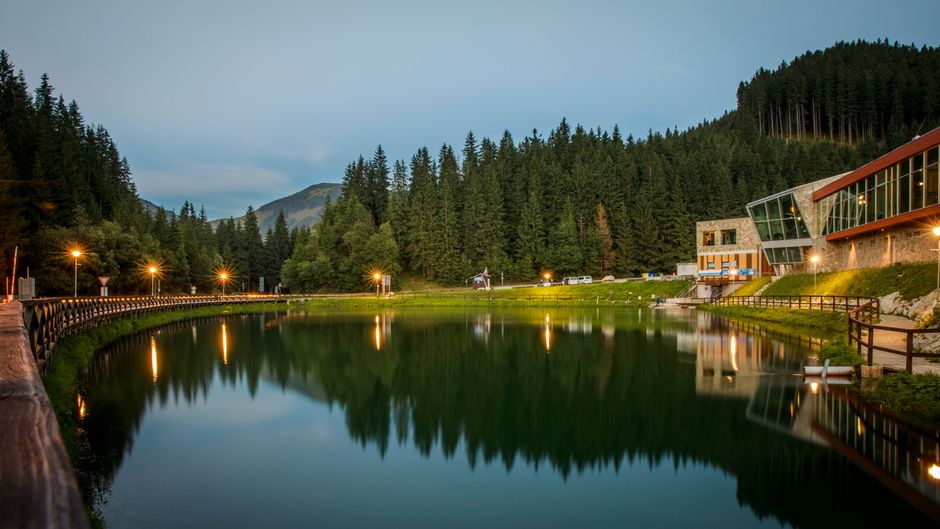
Accommodation options are limited. There are a few mountain huts and refuges along the trails, but they fill up quickly in summer. The Bâlea Lake area has a few hotels and guesthouses, with prices ranging from 50-100 EUR per night for a basic room. Camping is allowed in designated areas, but you need to bring your own gear and food. Meals in the mountain huts are simple but hearty, with prices around 10-15 EUR for a full meal.
The best time to visit is from July to September, when the weather is most stable and the trails are clear of snow. But even then, you need to be prepared for sudden changes. Bring layers, waterproof gear, and a good map. The mountains are unforgiving, and they don't care about your comfort.
Children can do the shorter, easier trails, but the High Traverse is not recommended for anyone under 16. The terrain is technical, the exposure is high, and the weather is unpredictable. This is a challenge for adults, not a family vacation.
Search accommodation in Sibiu on Booking.com →
The Last Wild Place
I stood on the ridge, the wind howling in my ears, and I felt something I hadn't felt in years. I felt alive. Not the comfortable, safe kind of alive that you get from a vacation in a resort town. The raw, primal kind of alive that comes from being small in the face of something huge and indifferent. The Fagaras Mountains don't care about you. They don't care about your job, your worries, your dreams. They just are. And in that indifference, there's a strange kind of freedom.
I looked down at the valley below, the green patchwork of fields and forests, and I thought about the shepherd I'd met. He was right. I didn't know mountains. But I was learning. And in that learning, there was a kind of peace. The Fagaras isn't just a place to hike. It's a place to be tested, to be humbled, and to be reminded of what it means to be human in the face of the wild. And if you're brave enough to face it, it will give you something that no other place can: the feeling of being truly alive.
Comments