


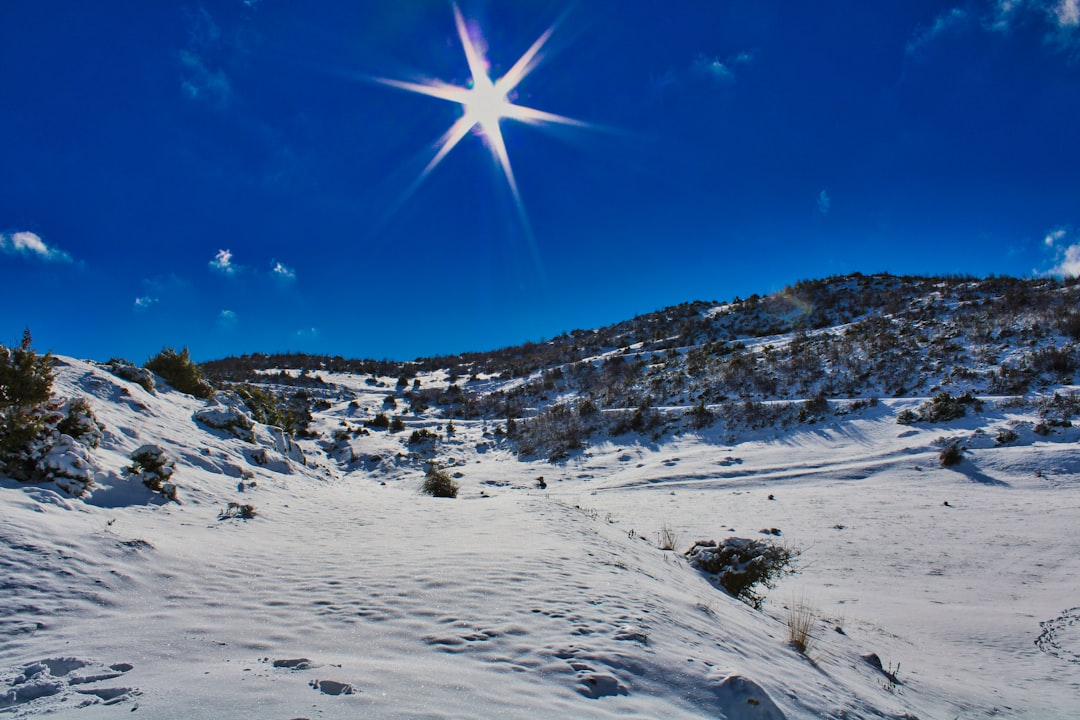
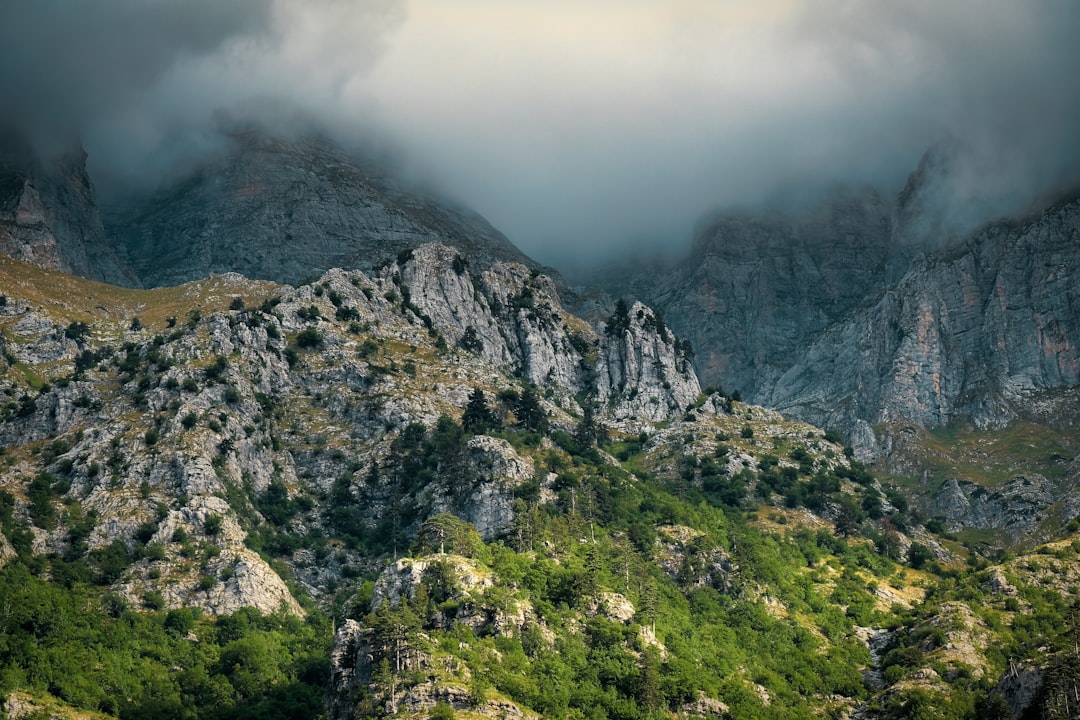
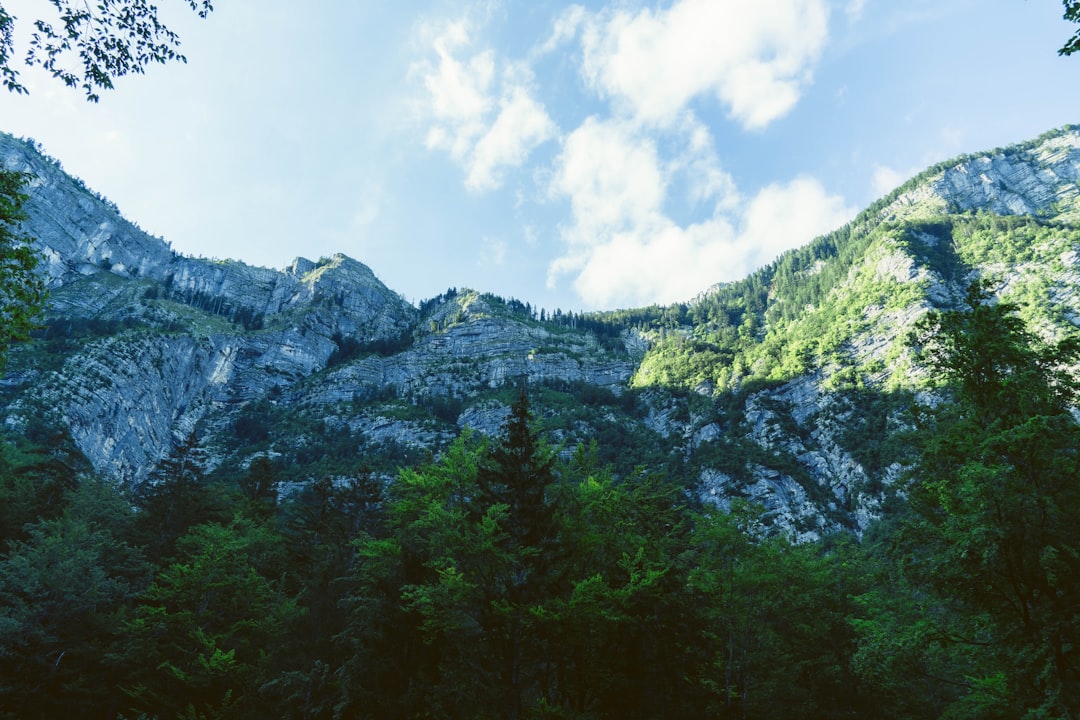
My boots are caked in the red dust of a road that hasn't seen a paving crew since the Enver Hoxha era. I'm standing at the edge of a precipice that drops into the Valbona Valley National Park, and the wind is howling with a violence that feels personal. A shepherd, his face a topographical map of wrinkles, watches me from a wooden hut that looks like it was assembled from scraps of history. He doesn't speak English, I don't speak Albanian, but we both understand the language of altitude. This is the Albanian Alps, a region that was once a no-go zone for anyone without a military pass, now one of the most raw, unfiltered trekking experiences in the Balkans. There are no manicured trails, no souvenir shops selling overpriced water, and certainly no cell service. Just granite, glacial lakes, and a sense of isolation that hits you in the chest like a physical blow. I came here to get lost, and I succeeded immediately.
History & Identity
The Accursed Mountains, or Prokletije, are not just a geological formation; they are a fortress of culture. For centuries, this rugged terrain protected the Gheg Albanians from Ottoman conquest, fostering a fierce independence and a code of honor known as the Kanun. The mountains didn't just shelter people; they shaped them. The isolation meant that villages developed distinct dialects, customs, and architectural styles that differ sharply from the rest of Albania. Today, that history is visible in the stone houses, the high-altitude pastures, and the lingering sense of self-reliance among the locals. The national park itself was established in 1996, but the real story is the resilience of the people who call these peaks home. Hiking here isn't just a physical challenge; it's a journey through a living history of resistance and survival.
Where to Go
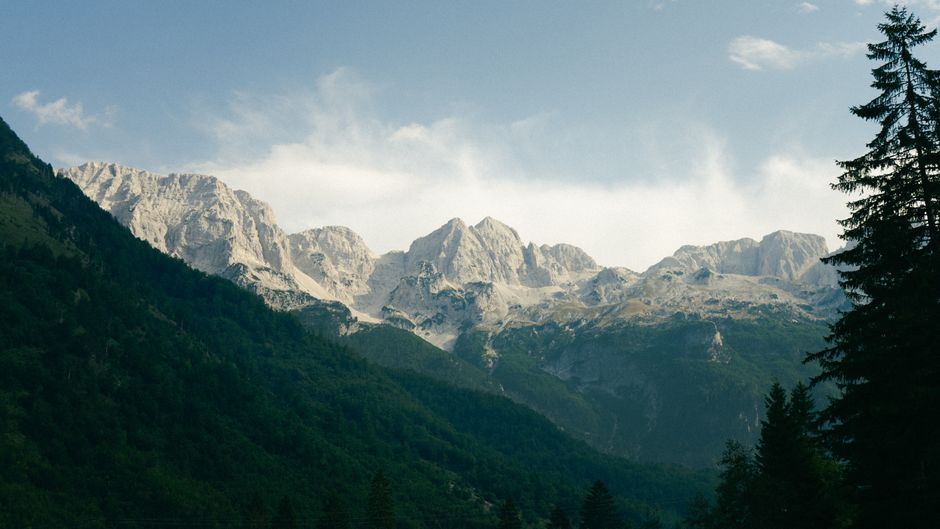
Valbona Valley — The gateway to the Albanian Alps. This U-shaped glacial valley is a stunning landscape of emerald pastures, crystal-clear rivers, and towering peaks. It's the most developed trekking area, with a cluster of guesthouses in the village of Valbona offering basic but warm hospitality. The valley floor is perfect for a warm-up hike before tackling the higher passes. Entry is free, but expect to pay for accommodation and meals. Best visited in July and August when the high passes are snow-free.
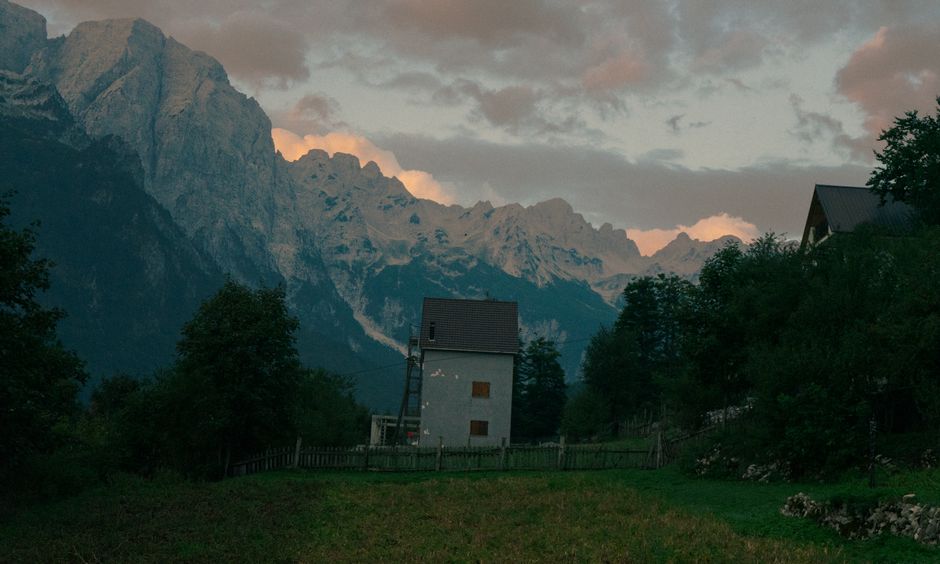
Raja e Kalit Pass — The iconic trek between Valbona and Theth. This 12-kilometer hike gains over 1,000 meters in elevation, crossing the border between the two national parks. The trail is steep, rocky, and exposed, but the views are relentless. You'll pass above alpine lakes and through narrow gorges that feel like they were carved by giants. It's a full-day hike, usually starting early morning to avoid afternoon thunderstorms. No entry fee, but you'll need sturdy boots and a good pace.
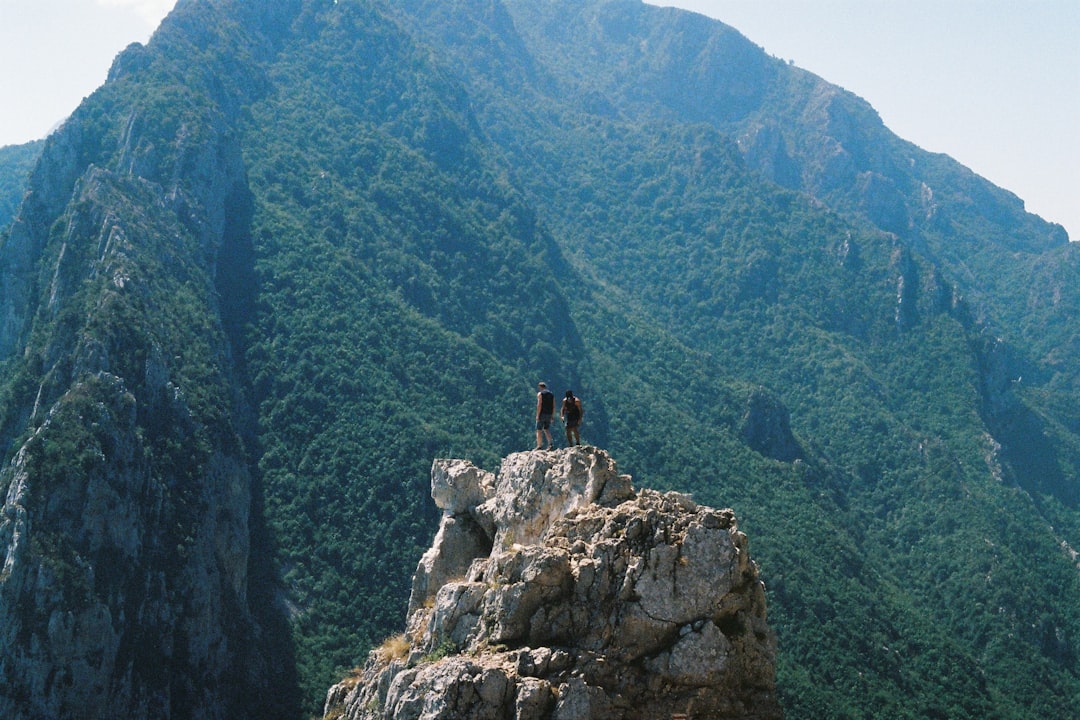
Theth National Park — The wilder sibling to Valbona. Theth is more remote, with fewer tourists and a more rugged atmosphere. The village is perched on a cliffside, accessible only by a winding mountain road. The park features dramatic canyons, waterfalls, and the famous Bridge of the Suicides, a stone bridge with a dark legend. Hikes here are less crowded but require more self-sufficiency. Accommodation is limited to family-run guesthouses. Best visited in late spring to early autumn.
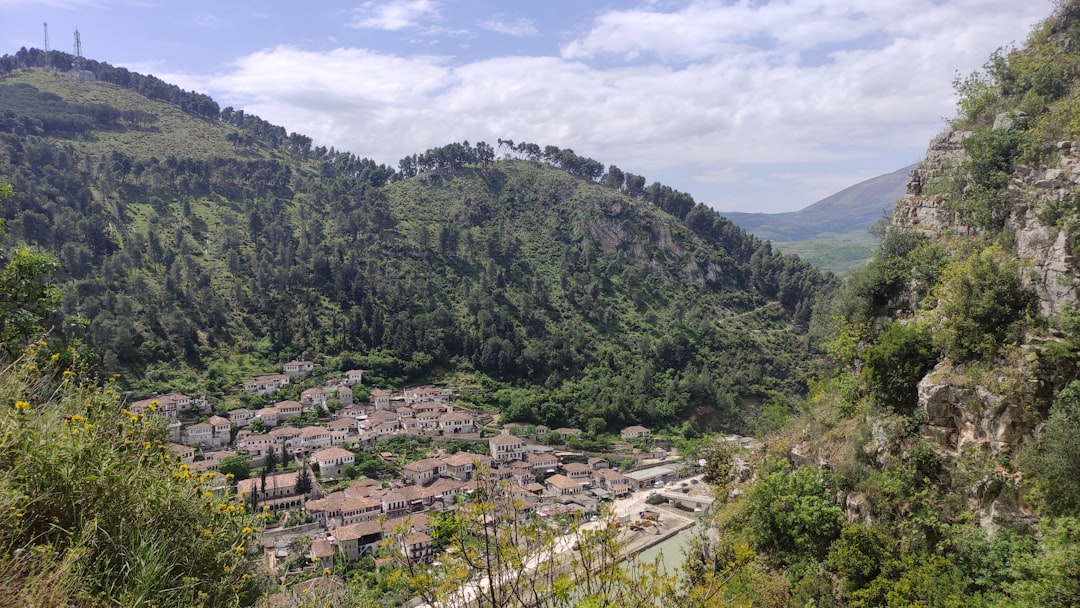
Grunas Peak — The highest peak in Theth National Park at 2,654 meters. The hike to the summit is challenging, with steep scree slopes and exposed ridges. It's not a technical climb, but it requires good fitness and navigation skills. The views from the top are 360 degrees of jagged peaks and deep valleys. Start early to avoid afternoon clouds and lightning. No entry fee, but guide recommended if you're not experienced with high-altitude terrain.
What to Eat & Drink
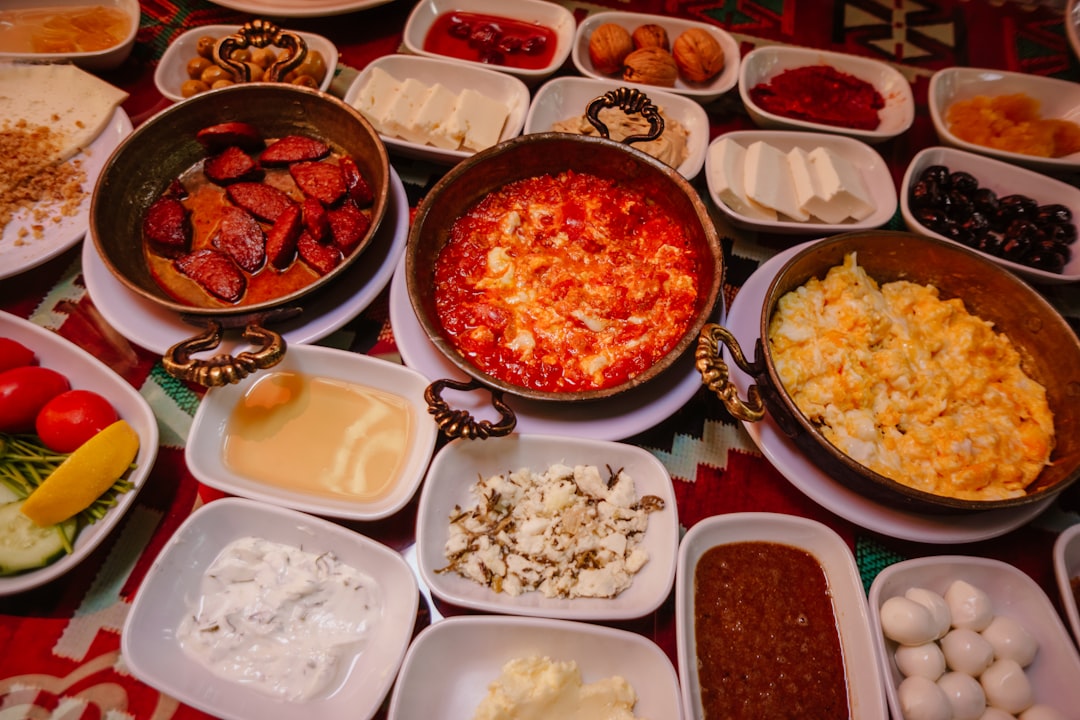
Food in the Albanian Alps is simple, hearty, and designed to fuel long days on the trail. You won't find gourmet menus here; instead, expect traditional dishes made from local ingredients. Byrek — savory pastry filled with spinach, cheese, or meat — is a common breakfast item, costing around 1-2 EUR. Fli — thin pancakes filled with cheese or meat — is a popular snack, available at most guesthouses for 2-3 EUR. Trilece — a sweet milk cake — is a dessert staple, priced at 2-4 EUR. For main meals, qebapa (grilled minced meat) and fasole (white bean stew) are common, costing 5-8 EUR per serving. Budget travelers can expect to spend 10-15 EUR per day on food if eating at guesthouses, while mid-range options might run 15-25 EUR per meal. Take-away options are limited, so plan to eat at your accommodation or in the village centers. The Valbona River valley has a few small shops, but stock is basic.
Nightlife
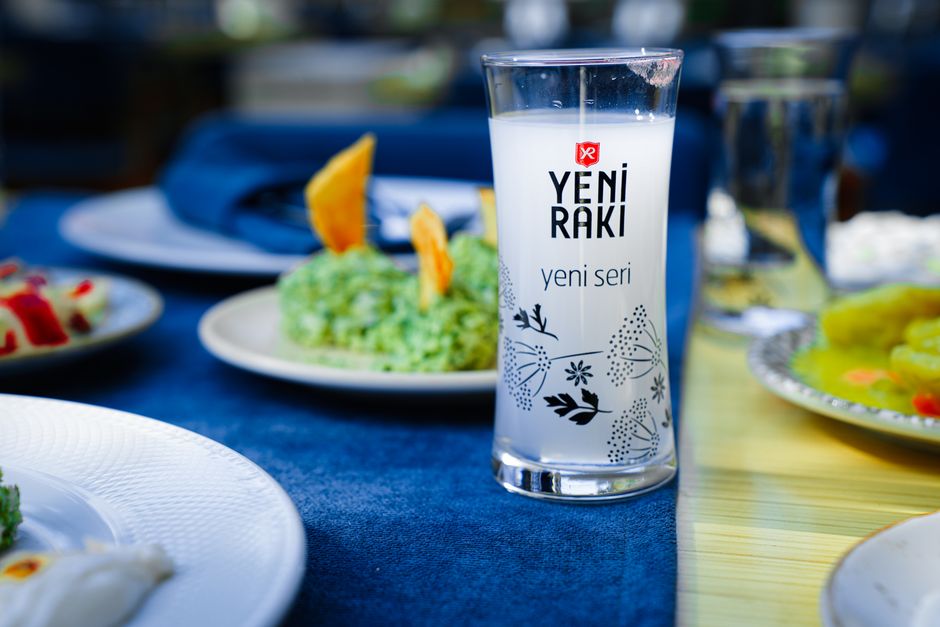
Nightlife in the Albanian Alps is a misnomer. There are no clubs, no bars with DJs, and no neon lights. The "nightlife" consists of sitting on the terrace of your guesthouse, drinking raki (a strong fruit brandy) with your hosts, and listening to the sound of the river or the wind. It's a chance to connect with locals, hear stories about the mountains, and watch the stars come out in a sky unpolluted by light. If you're looking for partying, this isn't the place. But if you want to experience the quiet, communal rhythm of mountain life, it's unforgettable. The village of Valbona has a few small bars where you can grab a drink for 1-2 EUR, but they close early, usually by 10 PM. Theth is even quieter, with most activity centered around the guesthouse dining rooms.
Getting There & What to Expect
Getting to the Albanian Alps requires a commitment to adventure. The nearest major city is Shkodër, which is connected to Tirana by bus or car. From Shkodër, you can take a bus or minibus to Valbona, a journey of about 3 hours that costs around 5-10 EUR. The road is mountainous and winding, so motion sickness bags are recommended. From Valbona, you can hike to Theth or continue deeper into the park. Accommodation in Valbona ranges from budget guesthouses at 20-30 EUR per night to mid-range options at 30-50 EUR per night. Theth is slightly more expensive due to its remoteness, with guesthouses costing 25-40 EUR per night. Camping is possible but not recommended due to weather and wildlife. The best months to visit are July and August, when the high passes are snow-free and the weather is stable. Spring and autumn can be beautiful but risky due to snow and rain. Children can do the easier hikes, but the Raja e Kalit pass is not suitable for young kids.
Search accommodation in Valbona on Booking.com →
The Last Leg
As I descend from the Raja e Kalit pass, my legs are burning, my lungs are raw, and my soul is full. The sun is setting behind the peaks, casting long shadows across the Theth valley. I've shared bread with shepherds, slept in rooms that smell of woodsmoke, and walked on trails that have been trodden for centuries. This place doesn't care about your Instagram followers or your five-star hotel reviews. It demands respect, endurance, and humility. And in return, it gives you something rare: a sense of place so profound it alters your internal compass. The Accursed Mountains aren't just a destination; they're a test. And if you pass, you leave a part of yourself behind, buried in the red dust and the granite, forever part of the wild.
Comments