


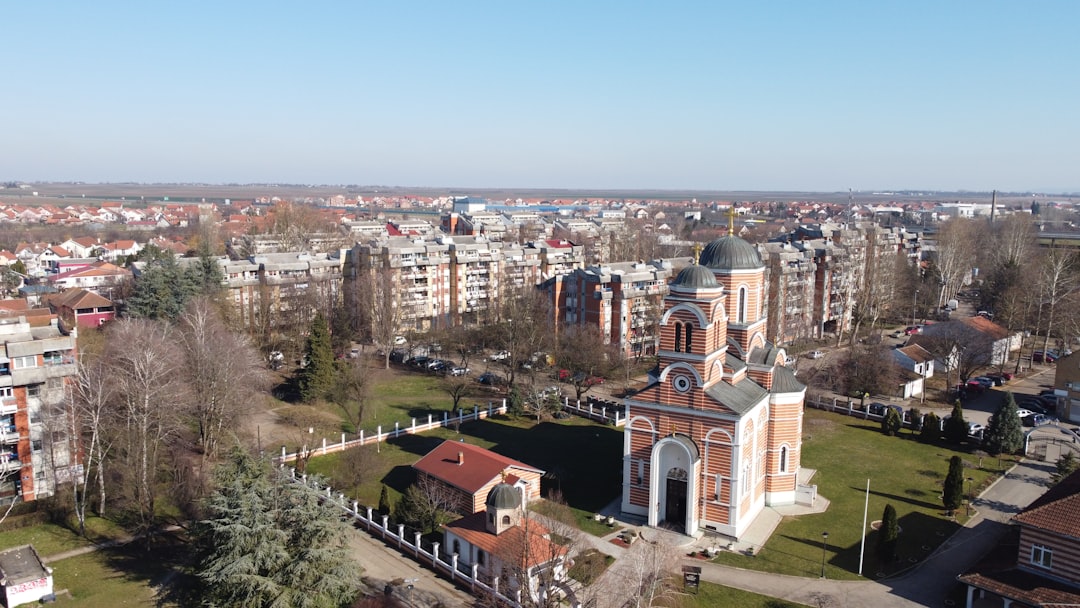
Residents of Belgrade and much of the Balkans are bracing for an intense heatwave that has pushed temperatures well above seasonal averages, sparking health warnings and raising concerns about energy infrastructure. The Serbian capital, typically experiencing mild summer beginnings, is currently recording highs exceeding 35°C (95°F), with forecasts predicting even more extreme conditions in the coming days. This surge in temperature is not isolated to Serbia; neighboring countries including Bulgaria, Romania, and North Macedonia are also grappling with the same high-pressure system, creating a regional climate challenge. For a population still adapting to the long-term impacts of changing weather patterns, this sudden spike represents a significant public health and logistical issue.
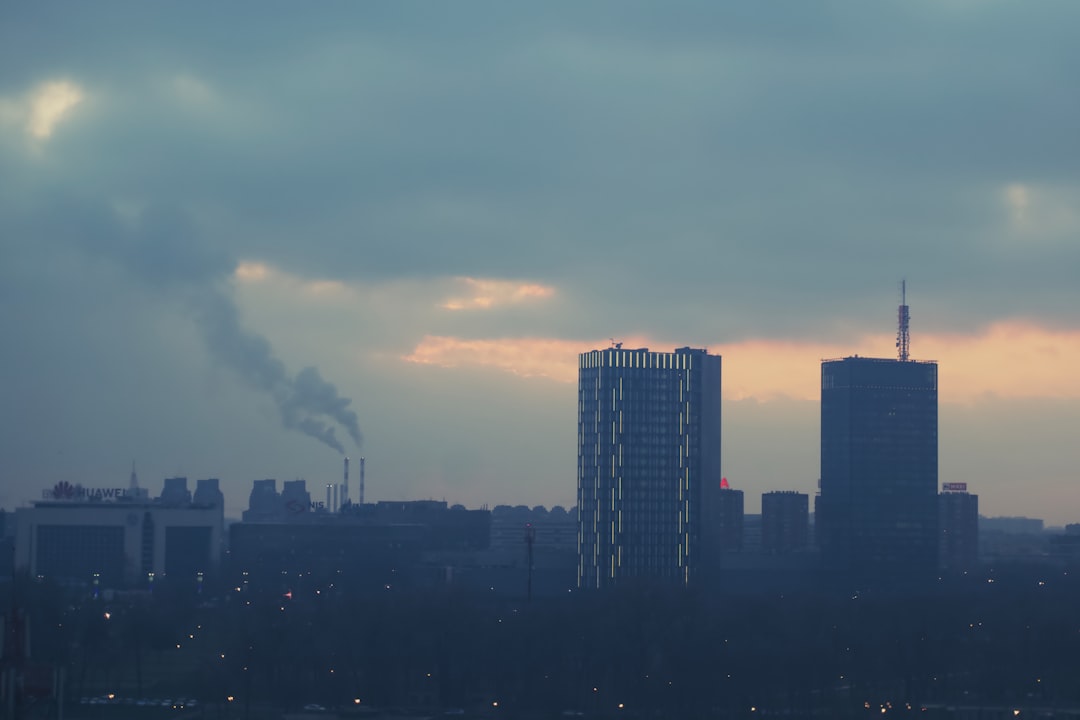
The meteorological phenomenon driving this heat is a persistent high-pressure ridge that has stalled over Southeast Europe. This atmospheric block prevents cooler air masses from the Atlantic from reaching the region, trapping hot, dry air over the Danube and Sava river basins. According to Serbia's climate data, such early and intense heatwaves are becoming increasingly common, signaling a shift in regional weather norms. The Serbian Hydro-meteorological Service (RHMZ) has issued orange and red alerts for several districts in Belgrade, advising vulnerable groups, including the elderly and those with respiratory conditions, to limit outdoor exposure during peak afternoon hours.
Regional Impact and Health Concerns
The impact of this heatwave extends far beyond the urban core of Belgrade, affecting rural communities and neighboring nations alike. In Bulgaria, cities like Sofia and Plovdiv are experiencing similar temperature spikes, leading to increased strain on local healthcare systems. Hospitals across the Balkans are reporting a rise in heat-related illnesses, including dehydration and heat exhaustion. The Serbian Ministry of Health has coordinated with local clinics to ensure emergency services are prepared for potential surges in patients. Public advisories emphasize the importance of hydration and avoiding strenuous physical activity between 12:00 PM and 6:00 PM, the hottest part of the day.
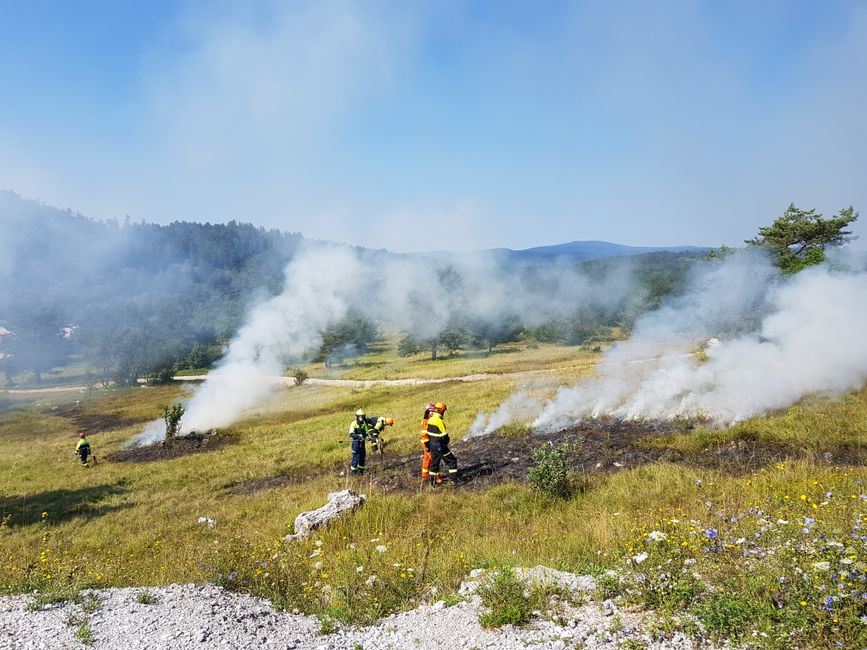
Moreover, the high temperatures are exacerbating air quality issues. With reduced rainfall and increased sunlight, the risk of forest fires has escalated significantly across the Balkans. Fire departments in Serbia, Croatia, and Greece are on high alert, with resources being redirected from other duties to monitor potential fire outbreaks. The dry conditions have turned vegetation into highly flammable fuel, creating a dangerous scenario for communities located near forested areas. International cooperation is key, as fire fronts do not respect borders, requiring coordinated efforts from regional emergency services to protect both human lives and natural ecosystems.
Energy Grid and Infrastructure Strain
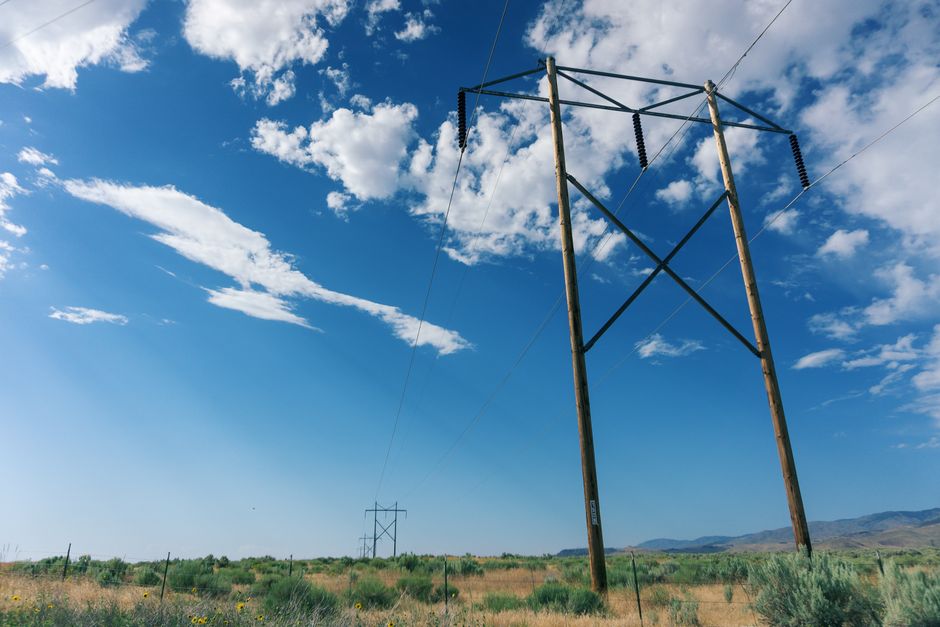
As temperatures rise, so does the demand for electricity. Air conditioning units and cooling fans are running at maximum capacity, placing unprecedented pressure on the regional energy grid. In Serbia, the state-owned utility EPS (Elektroprivreda Srbije) is working to stabilize supply, but there are concerns about potential blackouts if demand continues to surge. The energy policy of Serbia highlights the vulnerability of the grid to extreme weather events, a challenge shared by many Balkan nations. Neighboring Romania and Bulgaria are also monitoring their power supplies closely, with some regions implementing voluntary conservation measures to prevent system failures.
The strain on infrastructure is not limited to electricity. Water supplies are under pressure as well, with reservoirs and rivers experiencing lower-than-normal levels due to the lack of precipitation. This affects not only drinking water availability but also agricultural irrigation. Farmers in the Vojvodina region of Serbia, a major agricultural hub, are facing critical decisions about crop management as drought conditions threaten yields. The economic implications are significant, as the Balkans rely heavily on agriculture for both domestic consumption and export. Long-term solutions, including improved water storage and grid modernization, are being discussed by regional policymakers to mitigate future risks.
What to Watch For Next
Looking ahead, meteorologists predict that the high-pressure system will remain in place for several more days, with temperatures potentially reaching historic highs in some areas. The European heatwave of recent years serves as a stark reminder of the dangers posed by such extreme weather. Residents are urged to stay informed through official channels, such as the Serbian Hydro-meteorological Service, and to take proactive measures to protect themselves and their communities. As the Balkans face this growing climate challenge, the focus will shift towards adaptation strategies and international cooperation to manage the impacts of extreme heat. The coming week will be critical in determining how well the region's infrastructure and public health systems can withstand the strain, offering valuable lessons for future preparedness.


Comments