


The geopolitical landscape of the Middle East has shifted dramatically with escalating tensions surrounding Hark Island, a strategically vital Iranian location in the Persian Gulf. Recent reports indicate a significant deterioration in relations between the United States and Iran, marked by alleged attacks on US naval assets and retaliatory rocket fire from Hezbollah against Israel. This volatile situation has placed Hark Island, home to Iran's first and only offshore oil platform, at the center of international concern. For Balkan audiences, who are deeply integrated into European and global energy markets, the stability of the Persian Gulf directly impacts fuel prices and regional security dynamics.
The immediate trigger for this crisis involves conflicting narratives regarding military engagements in the Gulf. According to breaking news reports, a ceasefire agreement between Washington and Tehran has reportedly collapsed, leading to direct confrontations. The US military has confirmed strikes on its vessels, while Iranian-backed militias have launched counter-attacks. This escalation threatens to disrupt global oil supplies, with Hark Island serving as a symbolic and economic target for both sides. The island's significance extends beyond its oil production; it represents Iranian sovereignty and technological achievement in a region dominated by foreign powers.
Strategic Importance of Hark Island
Hark Island, located in the northern Persian Gulf, is not merely an oil hub but a symbol of Iranian self-reliance. Developed in the 1970s, it was Iran's first offshore oil platform and remains a critical component of the nation's energy infrastructure. The island is situated near the border with Kuwait and the United Arab Emirates, making it a sensitive geopolitical flashpoint. Any conflict involving Hark Island risks drawing in neighboring Gulf states, which have historically balanced their relations between Iran and Western powers. The presence of US naval forces in the region further complicates the situation, as any attack on Iranian assets could be interpreted as an act of war.
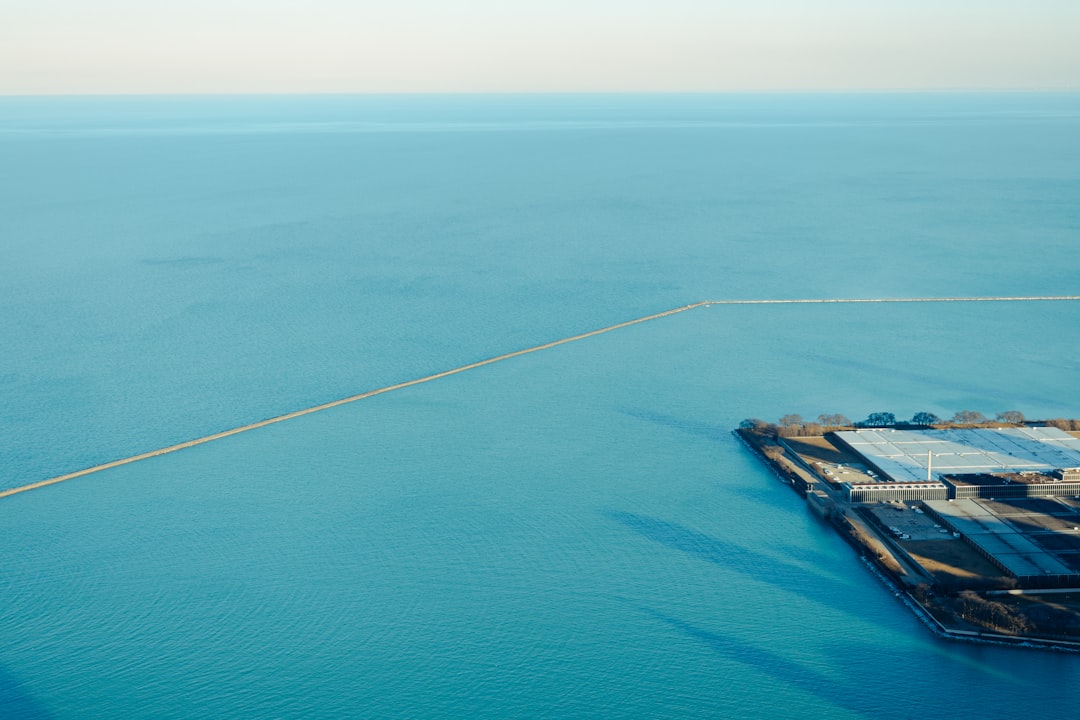
The economic implications of a conflict at Hark Island are profound. Iran exports millions of barrels of oil daily, and any disruption to production or shipping routes in the Persian Gulf would send shockwaves through global markets. For countries in the Balkans, which rely on imported energy, a spike in oil prices could exacerbate existing inflationary pressures and strain public budgets. Additionally, the region's instability could affect shipping insurance costs and supply chain logistics, impacting trade routes that connect Europe to Asia. The strategic value of Hark Island lies not just in its resources but in its potential to leverage geopolitical influence.
Iran has repeatedly emphasized the sovereignty of Hark Island, warning against any foreign interference. The island's infrastructure is heavily fortified, reflecting its importance to national security. In recent years, Iran has invested in modernizing its oil facilities, aiming to reduce dependence on foreign technology. This self-sufficiency drive has made Hark Island a target for sanctions and cyberattacks, further heightening tensions. The current crisis underscores the fragility of peace in the region and the high stakes involved in any military confrontation.
Regional Escalation and Balkan Implications
The conflict around Hark Island is part of a broader regional escalation involving multiple actors. Hezbollah's rocket attacks on Israel signal a widening war that could engulf the entire Levant. This multi-front conflict increases the risk of miscalculation, with potential spillover effects reaching Europe. For Balkan nations, which have growing ties with both the US and Russia, the situation presents complex diplomatic challenges. Countries like Serbia, Greece, and Romania must navigate carefully to avoid being drawn into the conflict while protecting their energy interests.
Balkan countries are particularly vulnerable to energy price volatility due to their reliance on imported gas and oil. A disruption in Persian Gulf supplies could lead to higher costs for heating and transportation, affecting households and businesses alike. Furthermore, the region's stability is linked to migration patterns, with conflicts in the Middle East often triggering refugee flows toward Europe. Balkan states, which serve as transit routes, may face increased pressure to manage border security and humanitarian aid. The crisis also raises questions about NATO's role in the region, with member states like Greece and Romania potentially being called upon to support US operations.
Diplomatic efforts to de-escalate the situation have so far failed, with both sides issuing harsh rhetoric. The collapse of the ceasefire agreement between the US and Iran indicates a breakdown in trust and a willingness to engage in direct confrontation. For Balkan leaders, this means preparing for worst-case scenarios, including energy shortages and security threats. Regional cooperation through platforms like the Western Balkans Six Plus One could be crucial in coordinating responses to the crisis. The situation demands careful monitoring and proactive policy measures to mitigate the impact on local economies and societies.
Future Outlook and Global Consequences
Looking ahead, the situation around Hark Island remains highly unpredictable. The potential for further military strikes, cyberattacks, or sabotage looms large, with each action risking a broader war. International observers are closely watching for signs of diplomatic backchannel negotiations, but the current climate of hostility suggests limited prospects for immediate peace. For the global community, the stakes are high, with the possibility of a prolonged conflict that could reshape alliances and energy markets.
Balkan audiences should remain vigilant about the indirect effects of this crisis. Energy prices, supply chain disruptions, and geopolitical shifts will likely have lasting impacts on the region. Governments in the Balkans are urged to diversify energy sources and strengthen regional cooperation to build resilience against external shocks. The crisis at Hark Island serves as a stark reminder of the interconnectedness of global security and the need for sustained diplomatic engagement. As tensions continue to simmer, the world watches to see whether diplomacy can prevail or if the region is headed for a catastrophic conflict.


Comments