


The Miracle Returns
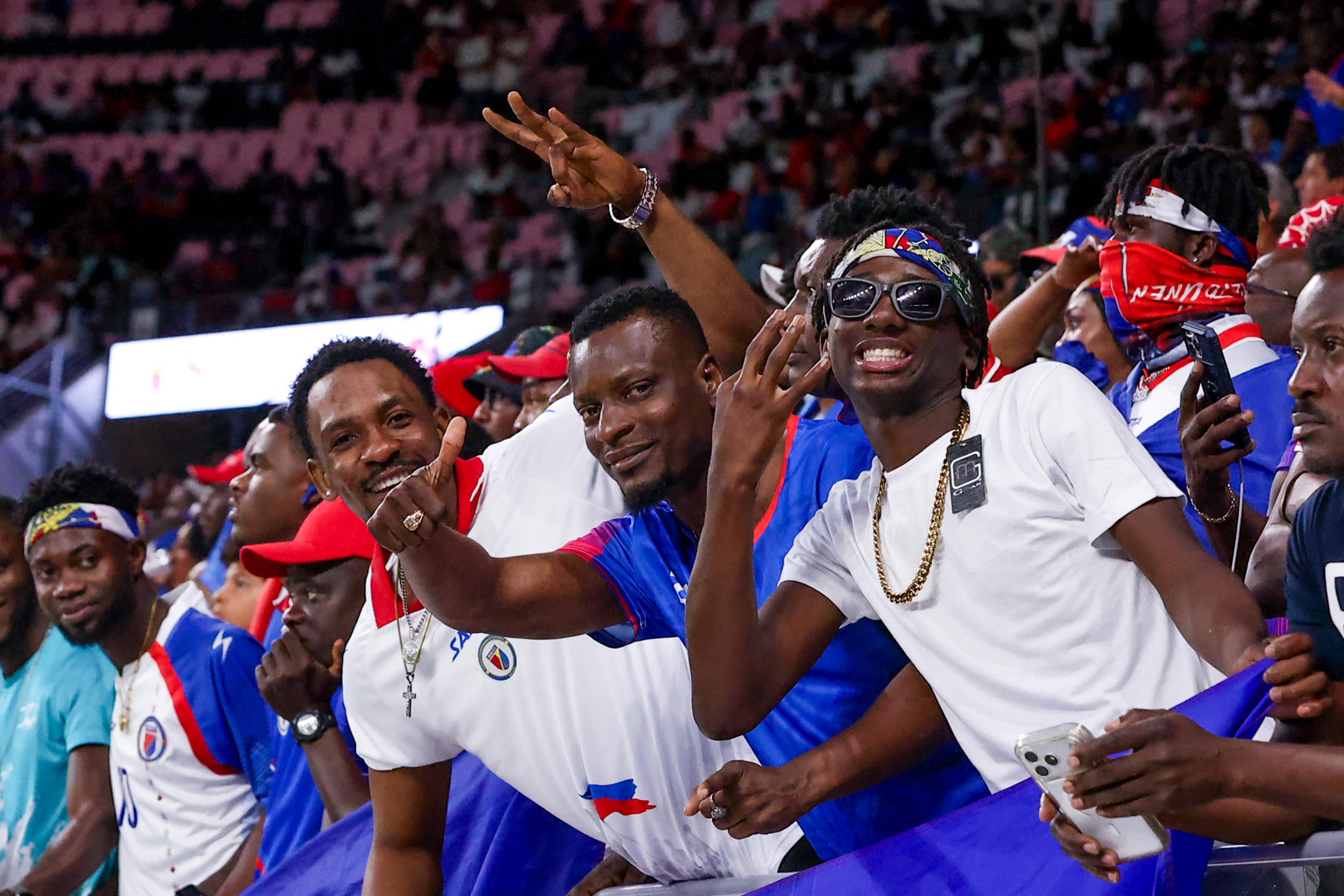
The wait is over. The dream is real. Haiti is back on the world stage, ending a 52-year exile from the FIFA World Cup that stretches back to the dusty pitches of 1974. Dozens of fans descended on Stockton University in New Jersey, not just for a training session, but to witness history unfolding before their eyes. For Derly Pierre, a voice in the crowd, this wasn't just sports; it was destiny. "This is a miracle," he declared, tears mixing with the summer heat. "I wasn't even born when we last qualified. To see my team, my people, standing here? It’s everything."
A Legacy Written in Goals
Haiti’s football soul has always been intertwined with the diaspora. Long before 1974, Joe Gaetjens, a Haitian-born striker, etched his name into legend by scoring the only goal in the 1950 USA victory over England. Decades later, Jozy Altidore, born to Haitian immigrants, became a staple for the US squad in 2010. But the purest moment of national pride arrived in 1974. Emmanuel Sanon, with a burst of brilliance, broke Dino Zoff’s unbeaten streak, scoring against Italy. Though Haiti fell 3-1, that single strike turned Sanon into an eternal hero.
Paris to the Pitch
Today’s squad carries that fire forward, forged largely in the concrete jungles of France. Twelve of the 26 players called up for the 2026 tournament were born in Parisian suburbs, where football is often the only ladder out of hardship. Top scorer Duquene Nazon, a former CSKA Sofia striker, embodies this path. Born in the outskirts of Paris, he turned social barriers into stepping stones. Whatever happens on the pitch, Haiti brings color, passion, and a story that refuses to be forgotten. The world is watching.


хаити най-сетне се върнаха на голямата сцена след толкова години tbh. Санон все още е легенда за нас. дали този път ще минем групата?