


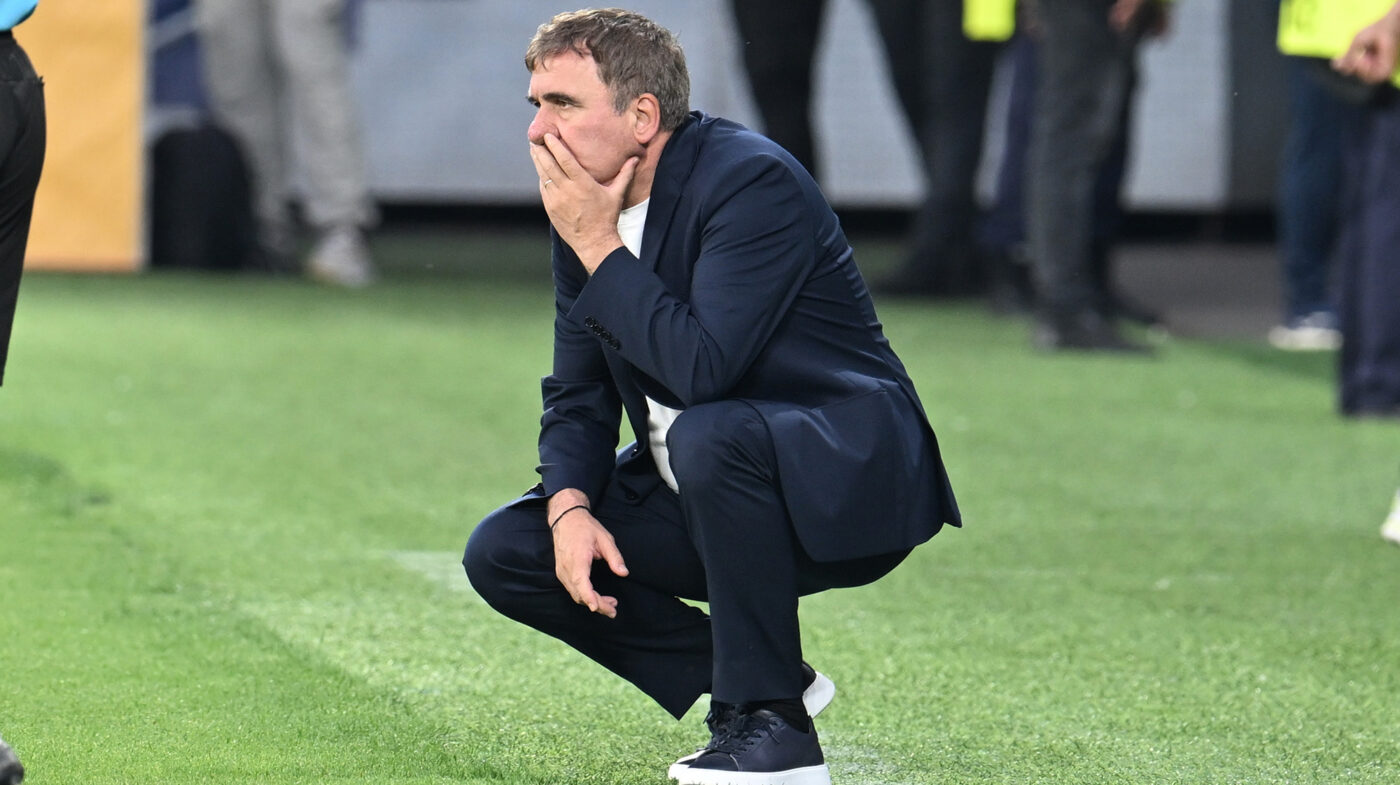
The Opening Act in Tbilisi
In June, while the world’s elite prepare for the World Cup, Romania national football team under Gheorghe Hagi feels less like a Grammy winner and more like a chaotic Eurovision entry. The debut campaign delivered a 1-1 stalemate in Tbilisi against Georgia. It was a trial by fire. A selection contest where players fought for Hagi’s trust amidst the summer wedding season. The atmosphere was electric, the stakes artificial, yet the pressure real. A Qatari referee oversaw proceedings while VAR remained silent during Louis Munteanu’s brilliant moment in Bucharest later. The systems were new. The positions shifted. Good melodies were sung poorly, while simple tunes moved the crowd.
Voices Rise in Bucharest
Then came the clash against Wales in Bucharest. Romania secured a 2-1 victory. David Matei found his voice. Adi Rus played with unshakable confidence. Louis Munteau arrived like a distant Australian entry saving the night. Yet, shadows linger. Andrei Aioani dropped the mic in Tbilisi. Borza forgot where the stage was when the Welsh scored. The feedback from the dressing room is promising. Veterans who worked with Hagi at club level appreciate his renewed patience and calm. Newcomers feel the shift in approach. The demand is high. The vision is clear. But can the squad sustain this intensity?
The Risk of Too Much, Too Soon
Hagi faces a terrible challenge. Starting a mandate with two matches right after the season ends is physically and mentally draining. The locker room is amorphous. The coach is impatient. Time is pressing. When Hagi screams to play faster in the 75th minute at Ghencea Stadium, silence may answer. The risk is clear: demanding too much, too quickly. The players must win this contest before November. The path is tricolor, but the road is paved with exhaustion and expectation.
hagi prea mult cere la inceput ngl, oboseala e reala. sper sa se regleze inainte de noiembrie...