


Seismic Shockwaves in Bergen
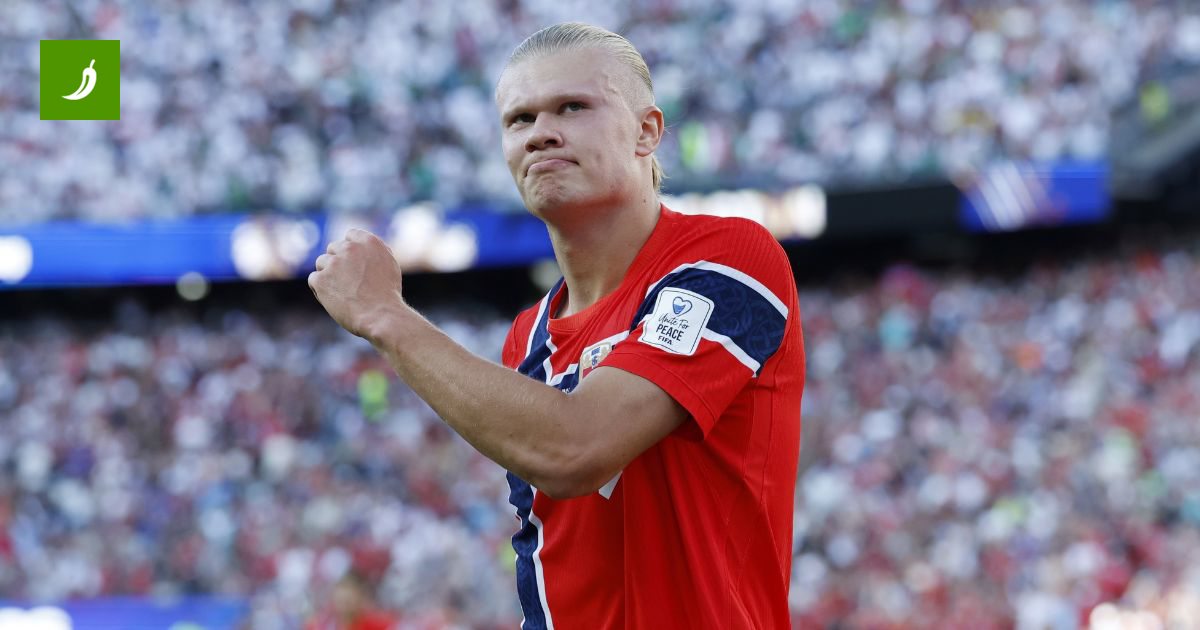
The world watched, but the ground beneath Bergen felt it first. Norway returned to the World Cup after a 28-year absence and didn't just walk onto the pitch—they stormed it. A 4-1 victory over Iraq was the headline, but the real story happened in the soil. Erling Haaland, the man, the myth, the machine, struck twice in the first half. His second goal, Norway's first at a World Cup since 1998, didn't just break the Iraqi defense; it seemingly broke the earth's crust.
Seismologists at the NORSAR institute weren't monitoring tectonic plates that evening. They were monitoring pure, unadulterated joy. Sensors picked up distinct tremors synchronized perfectly with Haaland's strikes. This wasn't a geological event; it was a physiological one. Thousands of fans jumping, screaming, and stomping in unison created vibrations strong enough to trigger scientific instruments. The data didn't lie: the spikes matched the goals. The passion of the Norwegian faithful literally shook the city.

The Haaland Effect
Let’s talk numbers, because they are staggering. Haaland arrived in Norway with 16 goals in the qualifiers. He isn't just a participant; he is the main event. His performance against Iraq confirmed what we all suspected: he is the primary candidate for the Golden Boot. His power, precision, and predatory instinct are the engine driving this national team.
Norway leads their group, but the road ahead is steep. Tougher opponents await. Yet, if Haaland continues to operate at this frequency, no defense feels safe. He has turned a tournament return into a global spectacle. The earth shook for two goals. Imagine what he’ll do when the pressure truly mounts. This isn't just football; it’s a force of nature.


fenerbahce were miles better this season tbh / honestly didn't see that coming lol / Djokovic just different class rn... / not convinced they can keep this up but we'll see