



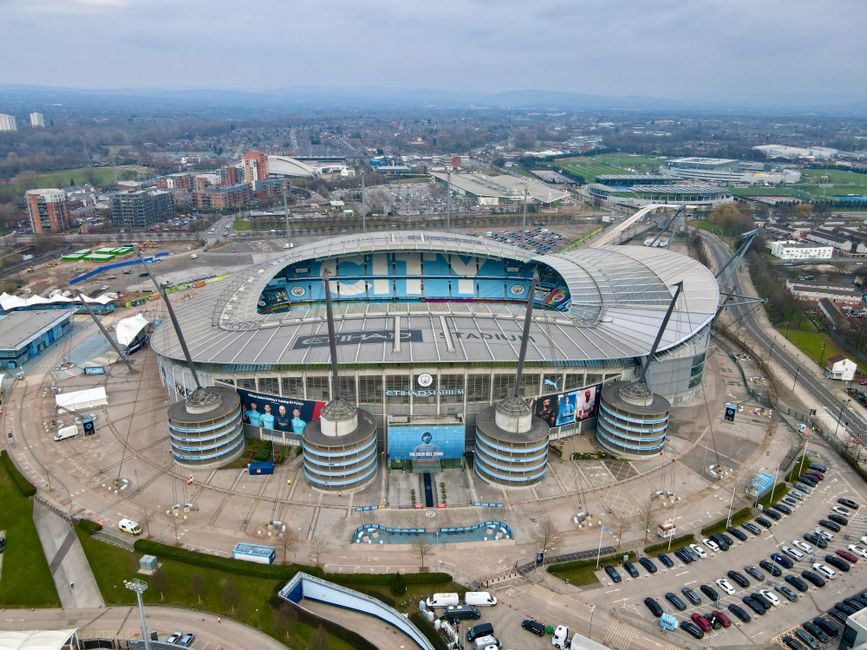
Erling Haaland, the Norwegian striker for Manchester City, continues to dominate global football headlines with his relentless goal-scoring output. As the 2024/25 Premier League season reaches its critical mid-season phase, Haaland’s ability to consistently find the net has reinvigorated discussions about his status as the world’s most lethal finisher. For Balkan audiences, particularly in Norway’s neighboring regions and among the continent’s fervent football fans, Haaland’s performances are not just statistics; they represent the pinnacle of modern attacking football. His recent matches have drawn millions of viewers across the Balkans, where football culture runs deep, and his every touch is analyzed by pundits from Serbia to Croatia.
The significance of Haaland’s current form extends beyond Manchester City’s pursuit of another Premier League title. It impacts the broader European football landscape, influencing transfer market valuations and tactical approaches across the continent. Balkan clubs, often facing financial disparities with Western European giants, watch Haaland’s trajectory to understand the evolving demands of elite striker roles. His physical dominance and clinical finishing set a benchmark that local talents aspire to emulate. As European competitions intensify, the way Haaland navigates high-pressure defenses offers crucial insights for coaches and players in the Balkans, who seek to bridge the gap between regional football and the global elite.
The Statistical Dominance and Tactical Impact
Haaland’s goal-scoring records are not merely impressive; they are historically disruptive. In the current campaign, he has maintained a goal-per-game ratio that rivals the best strikers in football history. This consistency forces opposing defenses to alter their structures, often sacrificing midfield control to contain his movement. For tactical analysts in the Balkans, studying Haaland’s off-the-ball runs and positioning provides a masterclass in spatial awareness. His ability to exploit half-spaces and finish from tight angles has made him a focal point for Manchester City’s attack, under manager Pep Guardiola. This tactical nuance is widely discussed in football academies across Bosnia and Herzegovina and Montenegro, where youth development programs increasingly emphasize technical precision and physical readiness.
The impact of Haaland’s presence is also evident in the psychological warfare he wages on opponents. Defenders know that any lapse in concentration can lead to a goal, creating a high-stress environment that often leads to errors. This psychological edge is a key component of his success, one that is studied by coaches in the Balkans who aim to instill confidence in their young strikers. The data surrounding his shots on target and conversion rates are meticulously analyzed by sports science departments in regional clubs, aiming to replicate his efficiency. Haaland’s ability to remain clinically effective despite intense marking highlights the importance of mental resilience, a trait that is increasingly valued in the competitive Balkan football scene.
Balkan Football Culture and the Haaland Effect
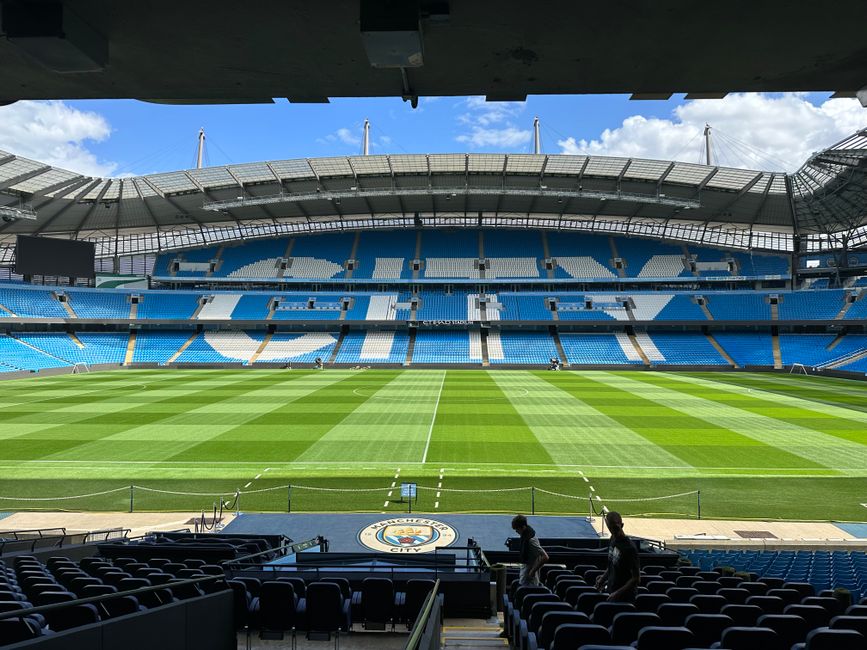
Football in the Balkans is more than a sport; it is a cultural touchstone. The passion for the game is evident in the packed stadiums of Red Star Belgrade and Dinamo Zagreb, where fans chant and celebrate with unparalleled intensity. Haaland’s rise to global stardom resonates with this fervor, as Balkan fans appreciate technical brilliance and raw power. His success inspires a new generation of players in the region, who see him as a blueprint for achieving international success. The visibility of Haaland on global platforms ensures that Balkan audiences remain engaged with the broader European football narrative, fostering a sense of connection to the sport’s highest levels.
Moreover, the commercial aspect of Haaland’s fame influences the Balkan sports market. Sponsorships, merchandise sales, and media rights are all impacted by the star power of players like Haaland. Local broadcasters in countries like Romania and Bulgaria invest heavily in covering Premier League matches featuring Manchester City, knowing that Haaland’s performances drive viewership. This commercial interest helps sustain the local football ecosystem, providing revenue that can be reinvested in youth development and infrastructure. The Haaland effect is thus not just about football; it is about the economic and cultural vitality of the sport in the Balkans.

What to Watch Next: European Showdowns and Legacy
As the season progresses, all eyes will be on Haaland’s performances in the UEFA Champions League. Manchester City’s potential encounters with Balkan clubs, or teams featuring Balkan players, will draw significant attention. Haaland’s ability to deliver in high-stakes European matches will further cement his legacy. For Balkan fans, these matches offer a chance to witness footballing greatness firsthand, whether through live attendance or television broadcasts. The narrative of Haaland’s career is still being written, and each goal adds a new chapter to his story, one that is closely followed by millions across the region.
Looking ahead, the sustainability of Haaland’s form will be a key topic of discussion. Injuries, fatigue, and the increasing tactical sophistication of opponents pose challenges that he must navigate. However, his physical conditioning and professional approach suggest that he is well-equipped to handle these pressures. For the Balkan football community, Haaland’s journey serves as a reminder of the heights that can be achieved through dedication and talent. As the football world watches, the Balkans remain a passionate audience, eager to see how the Norwegian striker continues to redefine the limits of goal-scoring excellence.
Comments