


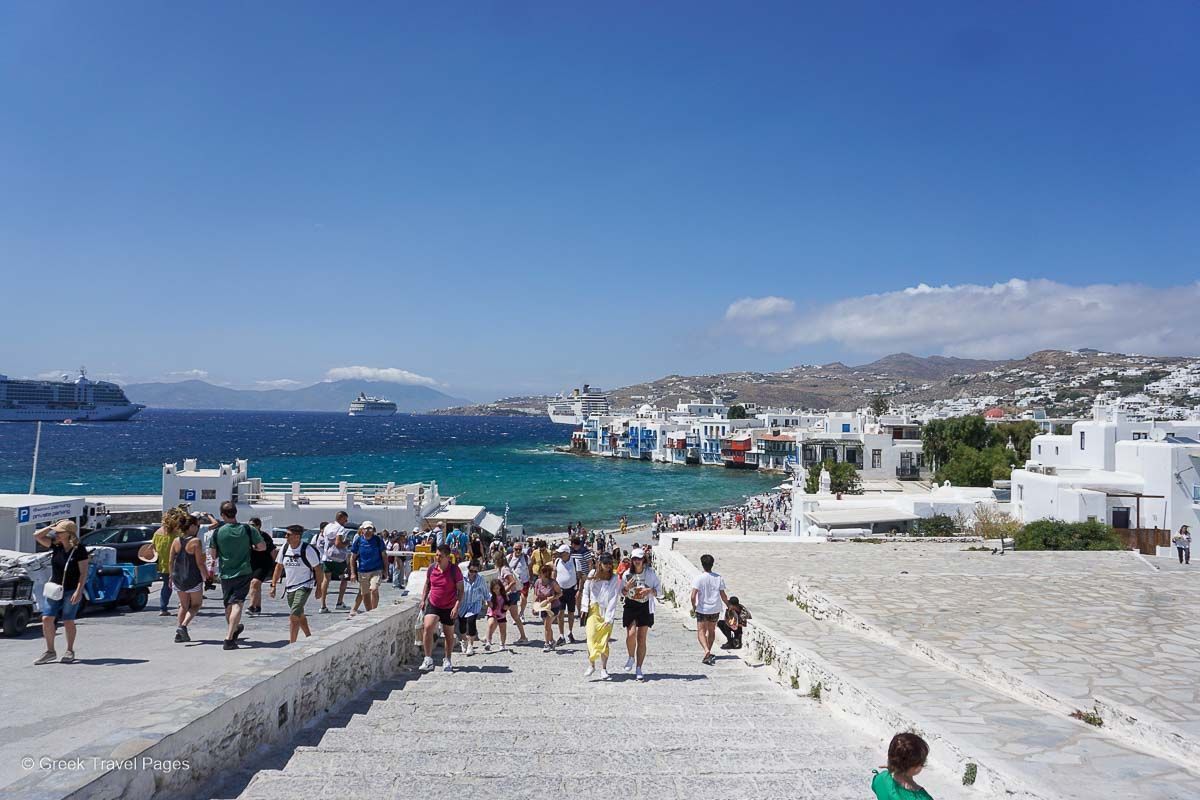
The Greek government is implementing new spatial planning rules, short-term rental regulations, and policies to support less-developed destinations in an effort to better manage tourism growth and its impact on the environment and local communities.
The measures aim to ensure a more sustainable and balanced approach to tourism, addressing issues such as overtourism, environmental degradation, and the uneven distribution of tourism benefits across the country. By regulating short-term rentals, the government hopes to curb the proliferation of unlicensed accommodations and ensure that tourists have access to quality services.
The new policies also focus on diversifying tourism by promoting lesser-known areas and encouraging investment in these regions. This approach is intended to relieve pressure on popular destinations, such as Santorini and Mykonos, and stimulate economic growth in areas that have traditionally been less frequented by tourists.
The Greek government’s efforts to implement these measures come amid increasing concerns over the sustainability of the tourism industry and its long-term impact on the country’s environment and cultural heritage.

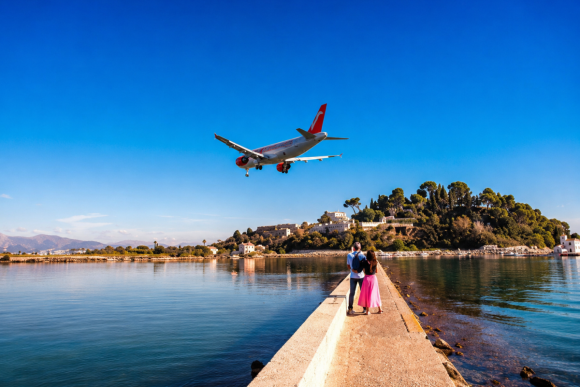

Greece is on the right track, but will these new rules actually help balance the load on popular islands? Or is it too little, too late? The pressure on places like Santorini and Mykonos won't disappear overnight.