



Greece is currently experiencing a significant spike in public interest regarding respiratory health, driven by a surge in searches for the term "εμβόλιο" (vaccine). This trending topic reflects a critical moment for the country's public health infrastructure as authorities launch a renewed, aggressive campaign to combat the seasonal influx of influenza and respiratory syncytial virus (RSV). The heightened search volume indicates that citizens are actively seeking information on eligibility, side effects, and vaccination centers, marking a pivotal shift from pandemic-era mandates to a more personalized, seasonal health strategy. For the broader Balkan region, Greece’s proactive approach serves as a bellwether for neighboring countries like Bulgaria and Romania, which are simultaneously grappling with similar winter respiratory pressures.
The Greek Ministry of Health has emphasized that the current vaccination drive is not merely a routine administrative task but a necessary bulwark against potential strain on the National Healthcare System (EOPYY). With hospitals already operating at capacity due to chronic understaffing and bed shortages, preventing severe cases of flu is a priority. The government has distributed millions of doses, focusing heavily on vulnerable demographics including the elderly, pregnant women, and individuals with chronic conditions. This targeted approach aims to reduce hospitalizations during the peak winter months, a challenge that resonates across the Balkans where healthcare systems often face resource constraints.
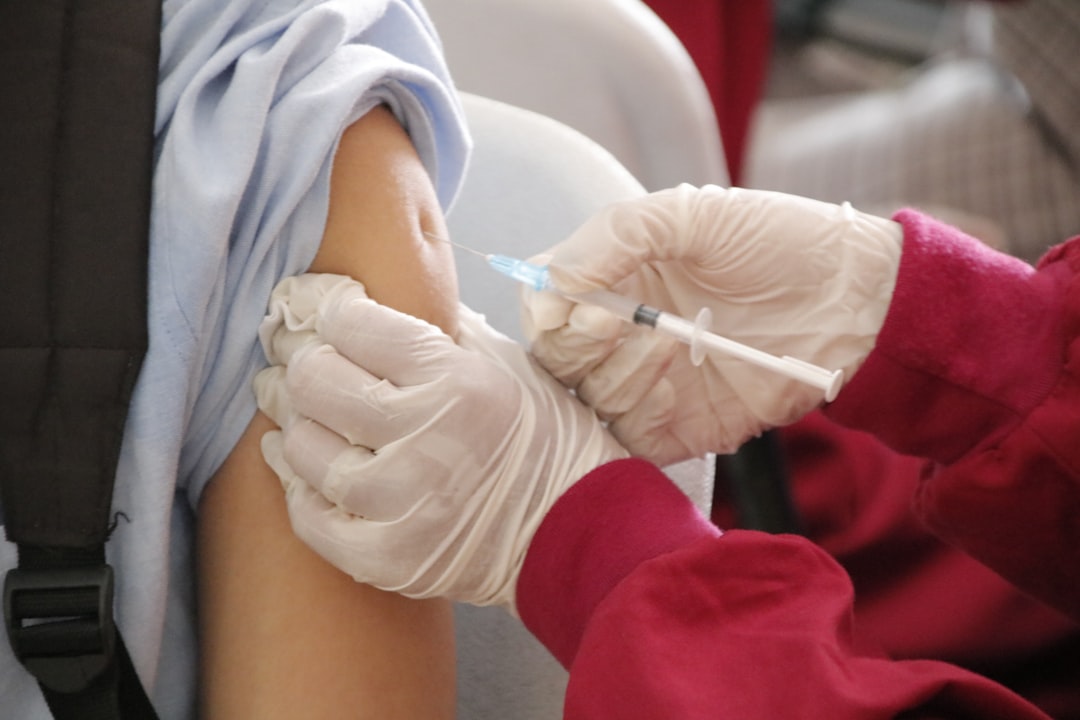
The Public Health Context and Vaccine Availability
The surge in searches for vaccination information coincides with the official start of the winter respiratory season in the Mediterranean. Unlike previous years dominated by COVID-19 discourse, the current focus has shifted to the "triple threat" of influenza, RSV, and lingering respiratory issues. Health officials in Athens and Thessaloniki have reported a steady increase in outpatient visits, prompting a public awareness campaign that utilizes social media, television, and local community centers. The availability of vaccines has been streamlined, with primary care physicians and public health centers offering free vaccinations to eligible groups without the need for extensive bureaucratic hurdles.
According to data from the European Centre for Disease Prevention and Control (ECDC), vaccination remains the most effective tool for reducing the severity of respiratory illnesses. Greece’s strategy aligns with broader EU recommendations, yet it faces unique logistical challenges due to its island geography. Ensuring that remote islands receive timely shipments of temperature-sensitive vaccines requires complex coordination. The government has worked with private logistics providers to guarantee that islands like Crete, Rhodes, and Lesbos have adequate supplies before the peak tourist season ends and the local population’s immune systems are tested by the colder weather.
Public trust in vaccines has evolved since the height of the pandemic. While initial skepticism persisted in some communities, recent surveys suggest a growing acceptance of seasonal flu shots, particularly among younger demographics who are increasingly aware of long-term health risks. Health communicators are leveraging this shift by providing transparent, science-based information through official channels. The emphasis is on community protection rather than individual mandate, a narrative that has proven more effective in encouraging voluntary participation. This shift in messaging is crucial for maintaining high coverage rates in a population that values personal autonomy.

Impact on the Balkan Healthcare Landscape
The vaccination trend in Greece does not exist in isolation; it mirrors a regional pattern across the Balkans. Neighboring countries, including Bulgaria and Romania, are also reporting high search volumes for respiratory health information. However, Greece’s relatively robust digital health infrastructure allows for more real-time tracking of public interest and vaccine uptake. This data-driven approach enables health authorities to deploy resources more efficiently, opening additional vaccination sites in areas with high demand. In contrast, some neighboring regions face challenges in data transparency, making it harder to gauge public sentiment and adjust strategies accordingly.
Cross-border health cooperation is becoming increasingly important as respiratory viruses do not respect national borders. The Balkan region is a hub for both tourism and labor migration, meaning that health trends in one country can quickly impact others. Greece’s success in managing its vaccination campaign could serve as a model for other Balkan nations seeking to improve their public health responses. By sharing best practices on logistics, public communication, and community engagement, regional health authorities can work together to mitigate the impact of seasonal outbreaks. This collaborative spirit is essential for protecting the health of the entire Balkan population.
Furthermore, the economic implications of a successful vaccination campaign are significant. Reduced hospitalizations mean lower costs for the healthcare system and less absenteeism in the workforce. For a country like Greece, which relies heavily on tourism, a healthy population is also a selling point for international visitors. Demonstrating a strong public health response can enhance the country’s reputation as a safe and well-managed destination. This economic angle adds another layer of urgency to the vaccination drive, linking public health outcomes directly to national economic stability.

What to Watch For in the Coming Weeks
As the winter deepens, the focus will shift from vaccine availability to actual uptake rates and hospitalization statistics. Health officials are closely monitoring data from public hospitals to assess the effectiveness of the campaign. If hospitalizations remain low, it will be a testament to the success of the public awareness efforts and the accessibility of vaccination centers. Conversely, a spike in severe cases could indicate gaps in coverage or emerging variants that require updated medical strategies. The coming weeks will be critical in determining whether the current approach is sustainable or if adjustments are needed.
Public sentiment will also remain a key factor. As the novelty of the campaign fades, maintaining high levels of public engagement will be challenging. Health authorities are likely to intensify their communication efforts, using real-time data and success stories to keep the population informed and motivated. The role of local community leaders and influencers will be crucial in reaching hesitant groups and ensuring that no demographic is left behind. The ultimate goal is to create a culture of preventive health that extends beyond the winter season.
For the Balkan audience, the lessons from Greece’s vaccination campaign offer a roadmap for navigating future health challenges. By prioritizing transparency, accessibility, and community engagement, Greece is setting a standard for public health management in the region. As other Balkan countries observe these developments, the potential for regional cooperation and shared learning increases. The health of the Balkans is interconnected, and a proactive approach to respiratory health benefits everyone. Readers should stay informed through official health channels and consider vaccination as a vital step in protecting themselves and their communities this winter.


Comments