


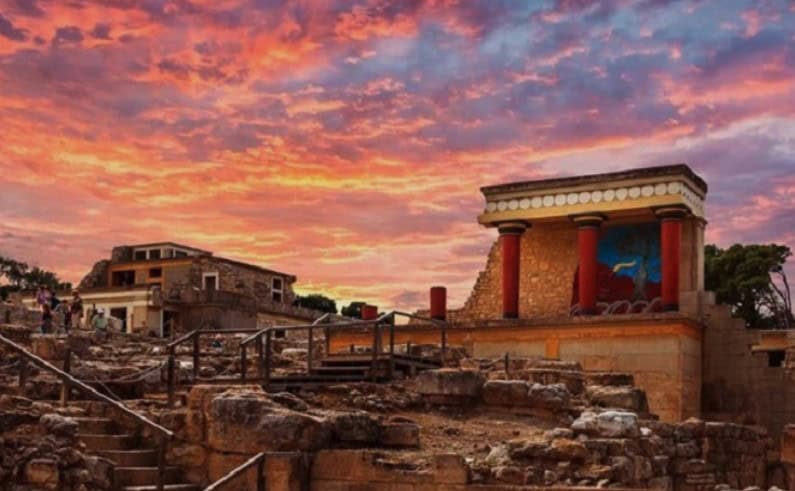
Official celebrations swept across Crete as Greece marked the formal inscription of the Minoan Palatial Centres on the UNESCO World Heritage List. Culture Minister Lina Mendoni declared the designation a "major national achievement," launching a three-day cultural programme that began at the archaeological site of Malia. There, authorities unveiled the first commemorative plaque honoring the ancient monuments, signaling a new chapter for the island's historical preservation.
A Decades-Long Goal Realized
The recognition fulfills an objective pursued for decades by both the Region of Crete and the Ministry of Culture. Mendoni credited the success to tight coordination between national ministries, regional authorities, and local municipalities. She emphasized that the listing elevates not only Crete’s cultural profile but also reinforces Greece’s broader heritage narrative on the world stage.
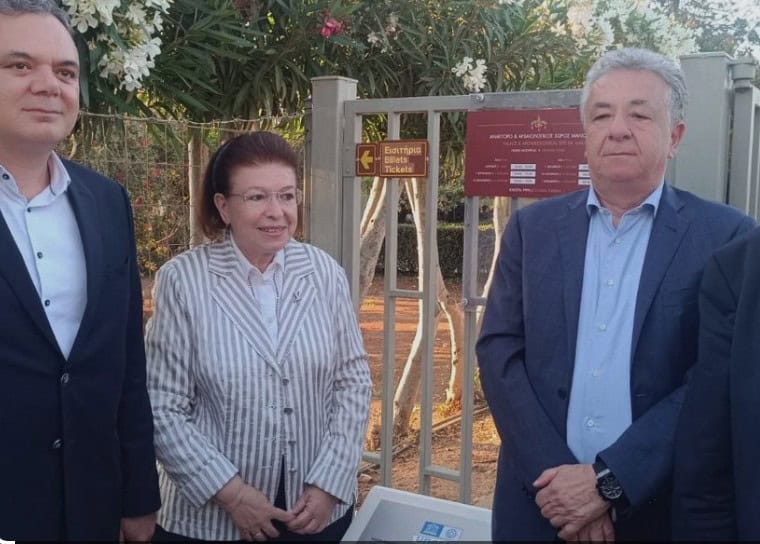
According to Mendoni, the Minoan civilization offers modern Europe a deeper understanding of the roots of European culture. The minister stressed that preserving these sites is essential for safeguarding national identity and projecting Greek values internationally. The celebration underscores how cultural policy intersects with broader national goals, linking ancient history to contemporary social cohesion.
Restoration and Climate Resilience
During the ceremony, Mendoni announced the reopening of the Malia archaeological site following extensive restoration and flood-protection works. The site suffered severe damage from extreme weather events in 2019 and 2020. Restoration teams prioritized rehabilitating the ancient Minoan drainage and flood management systems discovered on-site, noting that similar climatic challenges likely affected the region even in antiquity.
Authorities reinforced this ancient infrastructure with modern interventions designed to protect the site from future climate threats. Mendoni highlighted that Greece remains one of the few countries with a national strategy specifically addressing the impact of climate change on cultural heritage. The government, supported by Prime Minister Kyriakos Mitsotakis, is investing nearly €100 million in heritage projects across Crete. These include monument restorations and the development of modern museums integrated into the island’s cultural network.
Continued Celebrations
Stavros Arnaoutakis, head of the Region of Crete, described the island as a driving force in this national effort. He stated that Crete is strengthening its position on the global cultural map by balancing preservation with future investment.
The three-day programme continues at the archaeological site of Knossos and in Epano Archanes. It will conclude on Friday at the site of Zominthos, where Mendoni is expected to deliver the central address, further cementing the significance of this UNESCO recognition for Greek culture.



girit'in bu başarısı gerçekten gurur verici tbh. malia'nın yeniden açılması harika haber, umarım iklim koruma çalışmaları uzun vadeli çözüm sağlar. knossos ziyareti için sabırsızlanıyorum rn...