


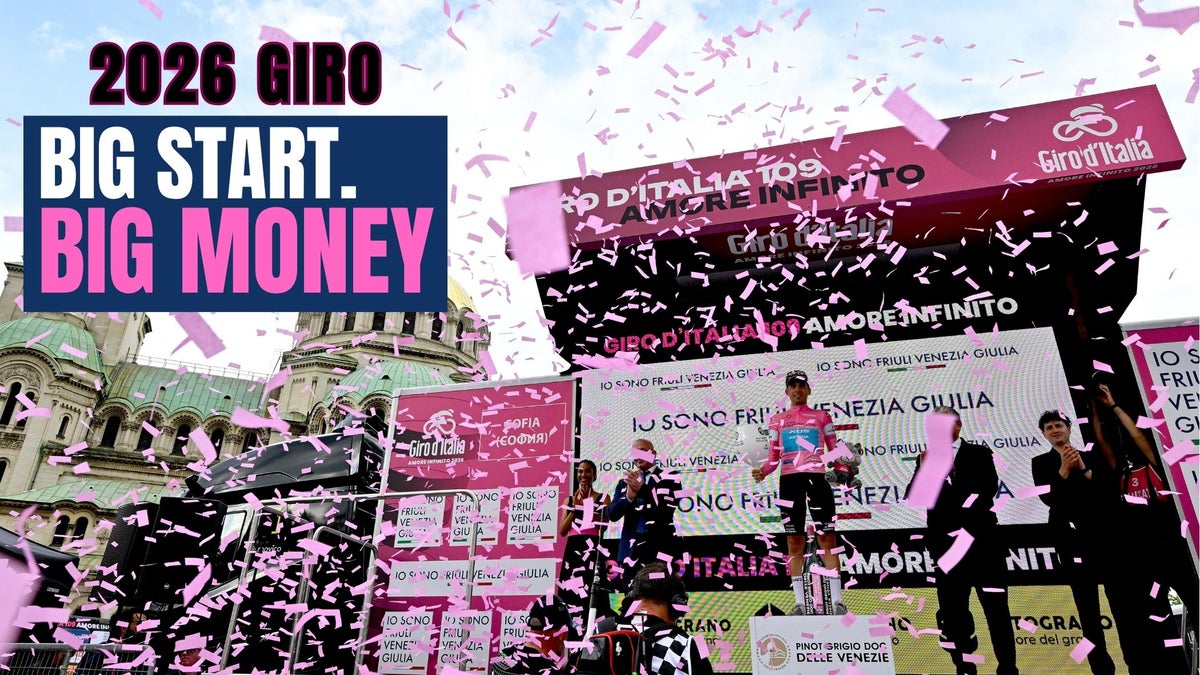
The Giro d'Italia, a prestigious cycling tour, kicked off this year in Bulgaria, generating €10 million for RCS Sport. However, the decision to start abroad has been met with mixed reactions from the riders and teams involved.
The Giro's three-stage start in Bulgaria was marked by controversy, particularly following a high-speed crash on the second stage, which led to several top riders being forced to abandon the race. Jonas Vingegaard, one of the leading contenders, expressed his dissatisfaction with the travel logistics, stating he would have preferred to avoid the journey.
After the three opening stages, the race hit its first rest day, but this came after a long and arduous transfer back to Italy, which left most riders and team staff exhausted. The race infrastructure was moved over 1,500 kilometers by road and ferry, stretching the process to nearly 24 hours.
Big Money Behind the 'Big Start'
The decision to start the Giro d'Italia outside of Italy is driven by the potential financial gains. Organizers are motivated by the lucrative hosting fees that can reach into the tens of millions of euros. Recent examples include the Tour de France starting in Barcelona this July and the Vuelta a España launching from Monaco.
While these foreign starts provide substantial profits for race organizers, they often come at a cost to the teams and riders, who bear the brunt of the logistical and physical challenges.
A Logistical Puzzle
Behind the scenes, these long-distance "rest days" are more of a test of stamina and patience for team staff than a relaxing break. Mechanics and drivers are tasked with moving the 2,000-vehicle-strong caravan from Bulgaria to Italy, a journey that includes driving through Bulgaria and Greece, boarding ferries, and continuing by road into southern Italy.
The racing resumes in Italy on Tuesday with the 138km stage 4 from Catanzaro to Cosenza, but the peloton will likely arrive a bit cranky from the Bulgarian triptych.
"The first night I slept well was last night," Vingegaard said. "There was also a lot of noise at the first hotel, but that is part of it. I have not slept super well either."
The controversy highlights the tension between the financial benefits for organizers and the physical and logistical burdens on the riders and teams.


This Giro d'Italia foreign start is just another way for organizers to line their pockets while riders suffer! Isn't there a better way to promote cycling without making athletes and teams bear all the costs? What do you think?