


A Cultural Takeover in St. Louis
The pitch was secondary. The real story unfolded in the streets of St. Louis, where roughly 20,000 Bosnian supporters transformed an American city into a heartbeat of the Balkans. This was not merely a pre-World Cup friendly against Panama; it was a declaration of identity. Long before the whistle blew, the air was thick with smoke, song, and the unmistakable energy of diaspora pride. The streets overflowed with flags, scarves, and jerseys, creating a sea of green and white that demanded attention. But nothing—not the chants, not the flags—compared to the spectacle that anchored the fan zone.
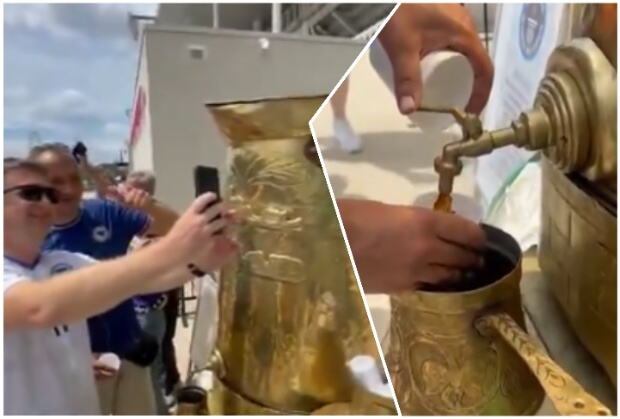
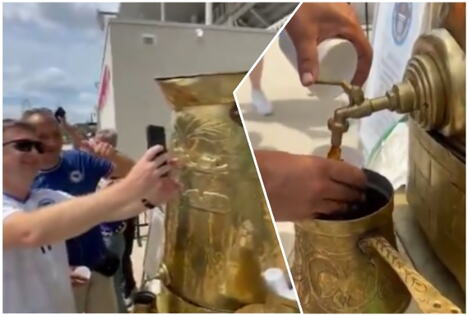
Enter the giant džezva. This colossal coffee pot, a towering symbol of Bosnian hospitality and culture, became the undisputed king of social media. Videos of fans lining up for traditional Bosnian coffee spread like wildfire across Twitter and Instagram. St. Louis, home to one of the largest Bosnian communities outside the region, provided the perfect backdrop. For these supporters, this was not a away game. This was home turf.
Song, Spirit, and a 1-1 Draw
As the players warmed up, the stadium speakers blasted Halid Bešlić’s legendary "Ljiljani." Thousands of voices joined in a deafening chorus, a moment of pure, unadulterated emotion that transcended sport. The footage of this singalong went viral instantly, proving that the heart of Bosnia beats louder than any scoreboard. On the field, manager Sergej Barbarez’s side secured a 1-1 draw. Nikola Katić struck first to give Bosnia the lead, but Giovanni Ramos equalized for Panama in the dying moments of the first half. The result was a footnote. The message was clear: wherever the Zmajevi play, Bosnia is present. And when a giant džezva appears in the heart of America, neutrality is impossible.

sve ovo sa džezvom je bilo ludilo ngl, fenerbahce su imali manje ludih navijača na tom meču lol. ko će da pamti rezultat 1-1 kad ima snimak sa "Ljiljani" u pozadini...