



Germany has officially recorded a significant decline in asylum applications, marking a stark departure from the migration surges that defined the early 2020s. The Federal Office for Migration and Refugees (BAMF) reported that the number of new asylum seekers dropped by nearly half compared to the previous year, a trend attributed to stricter border controls, expanded deportation programs, and changing geopolitical dynamics in origin countries. For the Balkan region, this shift signals a tightening of the European Union's external borders and a more rigorous assessment of refugee claims from neighboring states. The policy change impacts citizens from Bosnia, Serbia, North Macedonia, and other Western Balkan nations who have historically sought protection or economic opportunities in Germany. As Berlin adjusts its stance, the ripple effects are being felt across the region, influencing migration patterns and diplomatic relations.
The Policy Pivot: From Open Doors to Managed Borders
The dramatic reduction in asylum applications is not merely a statistical fluctuation but the result of deliberate policy shifts enacted by the German government. Under the current coalition, Berlin has prioritized rapid processing of asylum claims and accelerated deportations of rejected applicants. The government has also strengthened cooperation with Frontex, the European Border and Coast Guard Agency, to monitor and manage arrivals more effectively. These measures reflect a broader political consensus in Germany that uncontrolled migration strains social services and housing markets. Critics argue that the strict approach may violate international refugee conventions, while supporters contend it restores order and public trust in the asylum system. The shift represents a fundamental change in Germany's role as a primary destination for migrants in Europe.

Key legislative changes have empowered authorities to reject applications more quickly, particularly for individuals from countries deemed "safe" or those who pass through other EU member states without applying for asylum. This has direct implications for Balkan nationals, many of whom travel through the Western Balkans route. The German government has increased pressure on neighboring countries to enforce stricter visa regimes and return procedures. As a result, the flow of migrants from the Balkans toward Germany has slowed considerably. However, humanitarian organizations warn that vulnerable individuals, including unaccompanied minors and victims of trafficking, may face greater risks as legal pathways shrink. The balance between security and humanitarian obligations remains a contentious issue in Berlin.
Impact on the Balkans: A Region at the Crossroads
For the Balkan countries, Germany's tightening migration policies present both challenges and opportunities. Nations such as Serbia, Bosnia and Herzegovina, and North Macedonia have long served as transit hubs for migrants heading to Western Europe. With Germany reducing its intake, these countries face increased pressure to manage populations and prevent irregular crossings. The European Union has linked financial aid and visa liberalization prospects to migration control efforts, compelling Balkan governments to align their policies with Brussels' expectations. This dynamic has fueled domestic political debates in several Balkan states, where public opinion is often divided on migration issues. Some view cooperation with EU border control as a step toward integration, while others see it as a compromise of national sovereignty.
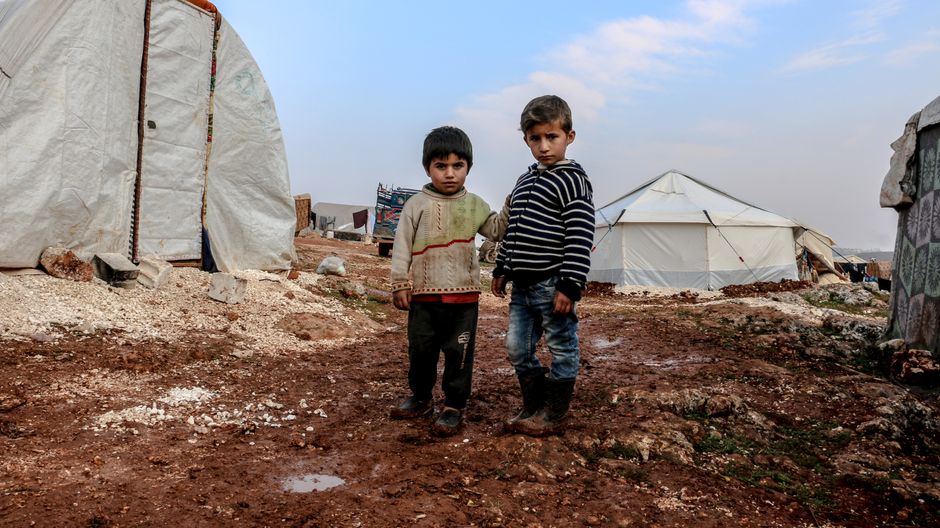
The reduction in German asylum approvals also affects labor migration dynamics. Germany has historically relied on skilled workers from the Balkans to fill gaps in healthcare, engineering, and construction sectors. While asylum applications have fallen, legal pathways for employment remain open, albeit with stricter qualifications. This shift encourages a more selective approach to migration, favoring highly educated professionals over those seeking refuge. For Balkan citizens, this means increased emphasis on education and language skills to qualify for work visas. The trend underscores a broader transformation in European migration policy, where economic needs are increasingly prioritized over humanitarian intake. As Germany leads this shift, other EU members are likely to follow suit, reshaping the migration landscape for the entire region.
Future Outlook: What to Watch in the Coming Months
Looking ahead, the sustainability of Germany's reduced asylum intake remains uncertain. Geopolitical instabilities in Africa and the Middle East could trigger new migration waves, testing the resilience of the current system. Additionally, the effectiveness of deportation agreements with origin countries will play a critical role in maintaining low application numbers. For the Balkans, the coming months will reveal whether stricter EU border controls lead to a permanent reduction in transit migration or merely shift routes and methods. Observers will also monitor the social impact within Germany, particularly in cities with high migrant populations. Public sentiment, housing availability, and integration outcomes will influence future policy adjustments.

Ultimately, Germany's migration policy shift reflects a broader recalibration of Europe's approach to border management and refugee protection. For Balkan audiences, this development underscores the interconnectedness of regional stability and European policy. As Germany sets a new precedent, Balkan nations must navigate the delicate balance between compliance with EU demands and the protection of their own citizens' rights. The long-term effects will shape migration flows, labor markets, and diplomatic relations for years to come. Stakeholders across the region should remain vigilant, as the evolving landscape offers both risks and opportunities for those seeking to understand the future of migration in Europe.



Comments