


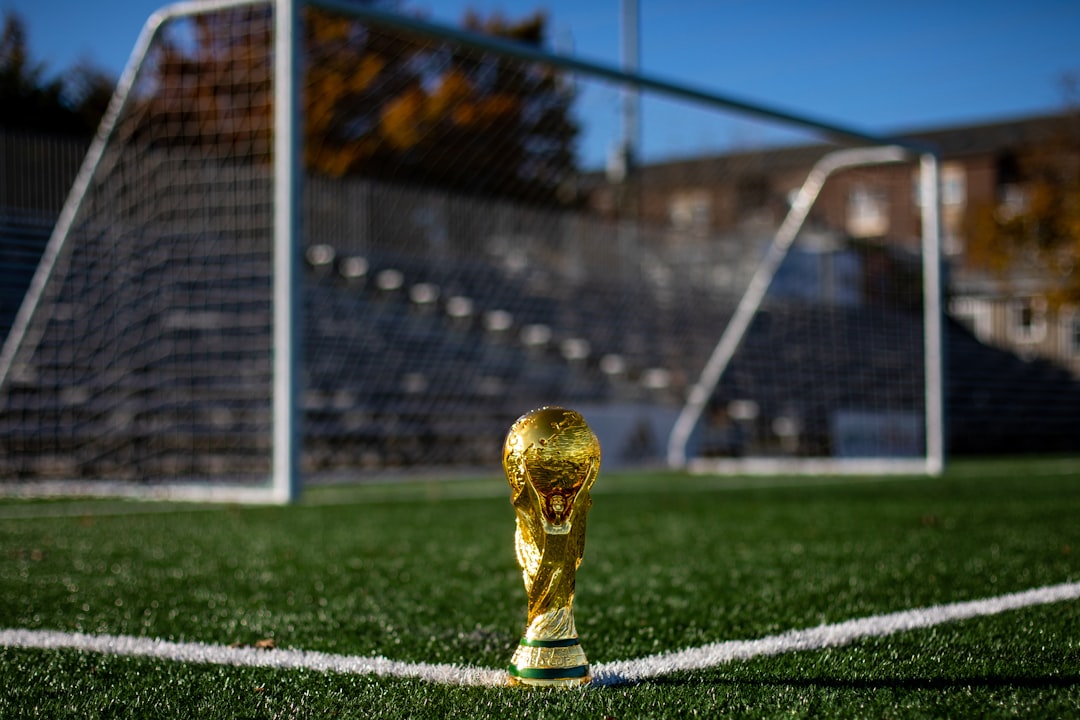
The Georgia national football team has secured its place in the history books, becoming the first nation from the Caucasus region to qualify for the FIFA World Cup. This monumental achievement, confirmed through their dominant performance in the UEFA Nations League, has sent shockwaves through the European football landscape. For Balkan audiences, particularly in neighboring countries like Romania and Bulgaria, the rise of Georgian football serves as both inspiration and a stark reminder of the shifting dynamics in regional sports. The team's journey from a post-Soviet underdog to a global contender highlights the potential for smaller nations to punch above their weight on the international stage.
The qualification was not merely a result of luck but a testament to strategic development and tactical discipline under coach Willy Sagnol. Georgia's success challenges the traditional hierarchy of European football, where powerhouses like Germany, France, and England usually dominate. This breakthrough matters because it opens new doors for investment and visibility in the Caucasus region, drawing attention to a football culture that has long been overlooked by major broadcasters and sponsors. As the team prepares for the global spotlight, the footballing world is watching closely to see if this momentum can be sustained in the toughest competition on the planet.
From Soviet Legacy to Modern Success
Georgia's football history is deeply intertwined with its political past. For decades, the nation's talent was absorbed into the Soviet Union national team, limiting the development of a distinct Georgian identity in the sport. After gaining independence in the early 1990s, the team struggled to find its footing, often failing to qualify for major tournaments. The transition period was marked by instability and a lack of resources, which hampered the growth of domestic leagues and youth academies. However, the last decade has seen a concerted effort to rebuild the national structure, focusing on scouting and professional coaching standards.
The turning point arrived with the emergence of a golden generation of players, many of whom have found success in top European leagues. Stars like Khvicha Kvaratskhelia at Napoli and Zuriko Davitashvili in Italy have brought technical flair and tactical intelligence to the national squad. Their performances have not only elevated Georgia's profile but also inspired a new wave of young athletes across the country. The Georgian Football Federation has invested heavily in infrastructure, including modern training facilities and youth development programs, ensuring that the talent pipeline remains robust. This strategic approach has paid dividends, transforming a once-struggling side into a cohesive and dangerous unit.
The team's tactical evolution under Willy Sagnol has been pivotal. Sagnol, a former French international, has implemented a high-pressing, possession-based style that contrasts with the traditional physical approach associated with Eastern European football. This modern methodology has allowed Georgia to compete with and defeat much larger nations, proving that tactical sophistication can overcome resource disparities. The success of this model is being studied by other emerging football nations, including those in the Balkans, who are looking for ways to maximize their own potential.
Regional Rivalries and Balkan Connections
For fans in the Balkans, Georgia's rise has added a new layer of complexity to regional rivalries. While not directly competing in the same qualifying groups as often as before, the Georgian team has become a formidable opponent in European competitions. The Romanian national team, for instance, has faced Georgia in recent qualifiers, where the Georgian side's technical superiority was on full display. These matches have highlighted the gap in development between some Balkan nations and their Caucasian neighbors, prompting introspection within local football associations. The Georgian model offers a blueprint for how smaller nations can achieve global relevance through smart recruitment and tactical innovation.
The cultural ties between the Balkans and the Caucasus are strong, with historical, religious, and linguistic connections linking countries like Georgia, Romania, and Bulgaria. These shared bonds extend to football, where fans often follow teams from neighboring regions with great interest. Georgian clubs have participated in European competitions alongside Balkan teams, fostering a sense of regional camaraderie and rivalry. The success of the national team has strengthened these ties, with Balkan fans increasingly viewing Georgia as a peer rather than an outsider. This shift in perception is significant, as it encourages greater collaboration and competition in the region.
Moreover, the economic impact of Georgia's success is beginning to be felt in the Balkans. Increased media coverage and sponsorship deals are attracting investment to Georgian football, which could lead to more cross-border transfers and joint ventures with Balkan clubs. Romanian and Bulgarian teams are already scouting Georgian talent, recognizing the value of players who have been honed in a competitive and modern environment. This trend is likely to accelerate as Georgia's profile continues to rise, creating new opportunities for collaboration and growth in the broader regional football ecosystem.
Looking Ahead: The World Cup Challenge
As Georgia prepares for its first-ever World Cup appearance, the challenge ahead is immense. The team will face some of the best players in the world, requiring not just talent but also resilience and adaptability. The squad's cohesion and tactical discipline will be tested like never before, and the pressure to perform will be intense. However, the belief within the camp is strong, with players and coaches alike confident in their ability to compete at the highest level. The support from Georgian fans, both at home and abroad, will be a crucial factor in their campaign, providing the emotional boost needed to overcome adversity.
The global stage offers Georgia an opportunity to showcase its footballing identity to the world. This exposure could lead to increased interest from top European clubs, potentially raising the profile of Georgian players and attracting more investment into the domestic league. For the Balkan region, Georgia's success serves as a catalyst for change, encouraging other nations to rethink their approaches to player development and tactical innovation. The ripple effects of this achievement will be felt for years to come, reshaping the competitive landscape of European football.
In the coming months, all eyes will be on Georgia as they navigate the group stage of the World Cup. Their performance will not only determine their fate in the tournament but also influence the future of football in the Caucasus and beyond. For Balkan audiences, the story of Georgia is one of inspiration, proving that with determination and smart strategy, even the smallest nations can achieve greatness. As the world watches, the Georgian team stands ready to write the next chapter in their extraordinary journey.
Comments