


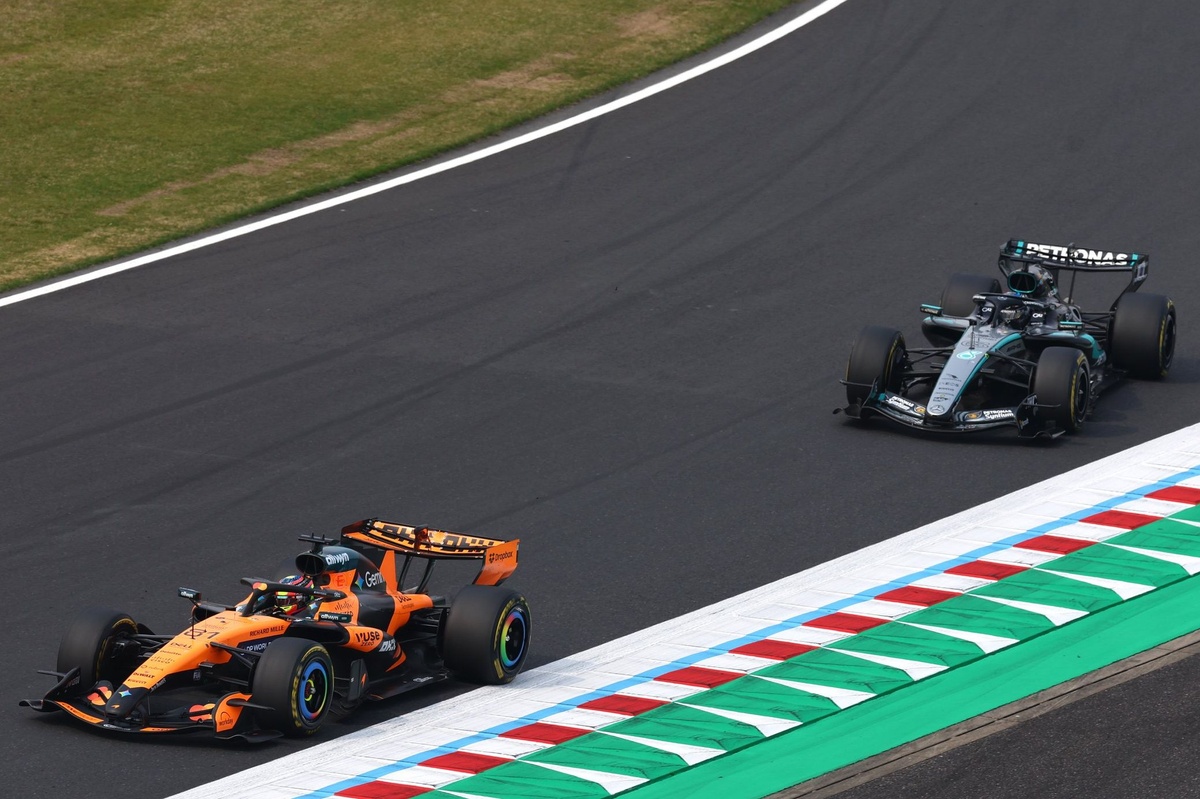
The Gearbox Is Back
They said it was dead. They said the gearbox was just another cost-center, destined to become a standardized, soulless part for every team. Wrong. With the 2026 regulation overhaul looming, the transmission has roared back to the center of the arena. It is no longer just a component; it is a weapon. And right now, the duel between Mercedes-AMG Petronas F1 Team and McLaren F1 Team is the main event.
Same power unit. Different beasts. While both teams run the Mercedes engine, the way they exploit it tells two completely different stories. The difference isn't just in the software or the aerodynamics—it's in the metal. It's in the gears.
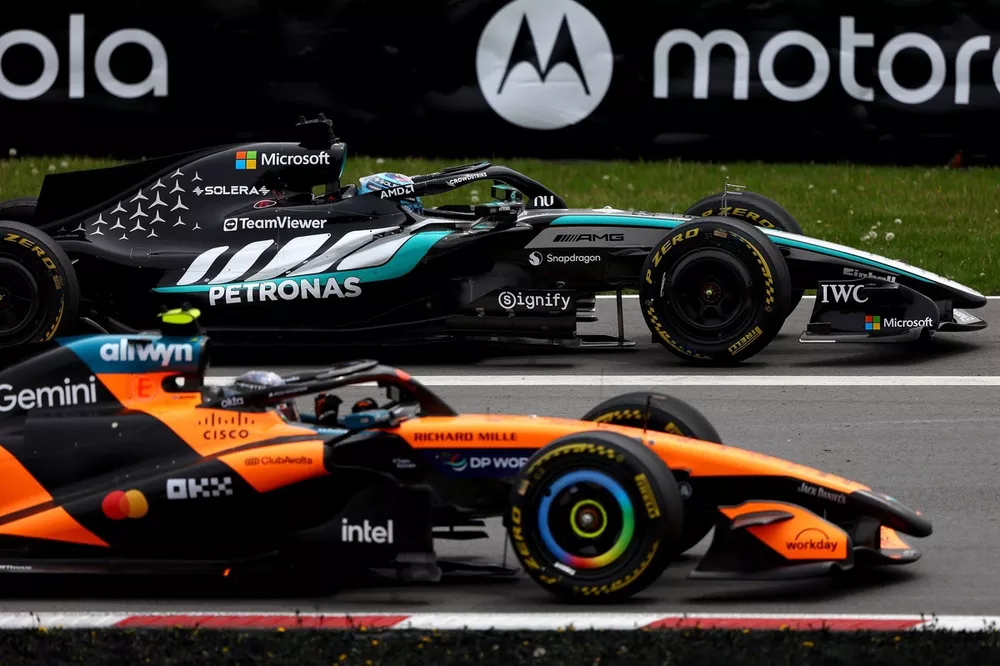
McLaren's Secret Weapon
McLaren doesn't just buy a gearbox; they build it. From the casing to the internal components, every tooth is designed in Woking. And their choice? Short ratios. Aggressive, bitey, short ratios. Team principal Andrea Stella didn't mince words during the Canadian Grand Prix weekend. "We are on the shorter side compared to Mercedes," Stella admitted. "This may give you some advantages in acceleration... possibly it may give you advantages in a start."
And the data screams yes. After five grands prix, the picture is crystal clear. McLaren launches are sharper. Harder. When the lights go out, Lando Norris and Oscar Piastri are often pulling ahead, proving that Mercedes' struggles aren't just about the engine—they're about the package.
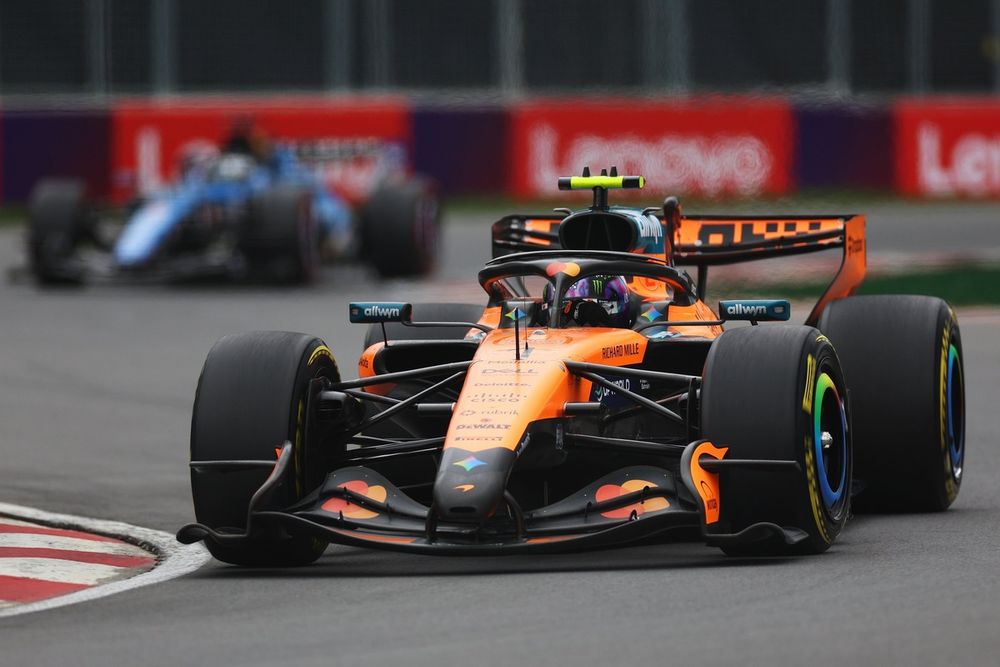
The Trade-Off Game
It's a classic wrestling match of engineering. Mercedes and Red Bull Racing opt for longer lower gears. Why? To keep engine revs high through slow corners. To maximize battery recharge. It's a strategy built for efficiency and top-end stability. But there's a cost. You sacrifice that initial punch.
McLaren takes the other path. Shorter ratios multiply torque at the wheels. It's raw acceleration. It's deadly in the initial phase, before the MGU-K kicks in and the car relies solely on the internal combustion engine. If you get the grip right, you leave the field in the dust. If you don't, you spin. It's high risk, high reward.
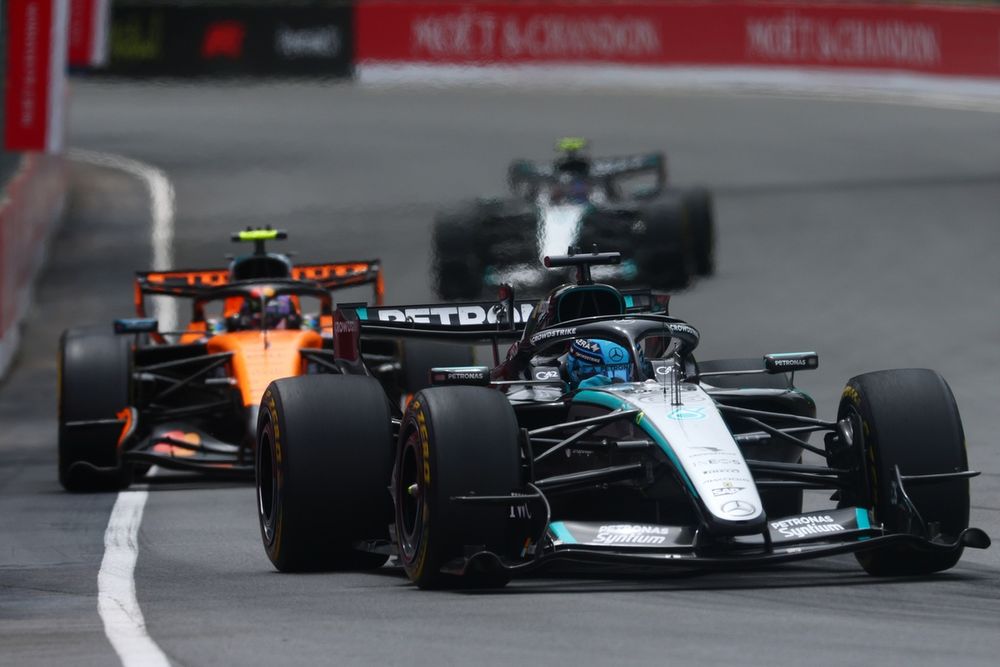
The results speak volumes. On short straights, McLaren dominates. In Miami, with maximum energy recovery allowed, they were fierce. In Montreal, where energy limits were slashed to 6 MJ per lap, forcing careful management, the advantage remained. Even as McLaren learned to wring every drop of performance from the Mercedes PU, their gearbox strategy set them apart. The era of the standard gearbox is a myth. The war for the perfect ratio has just begun.



mercedes really messed up their gearing strategy tbh. McLaren looking so much punchier off the line rn... honestly didn't expect the gearbox to be this big a deal again lol