


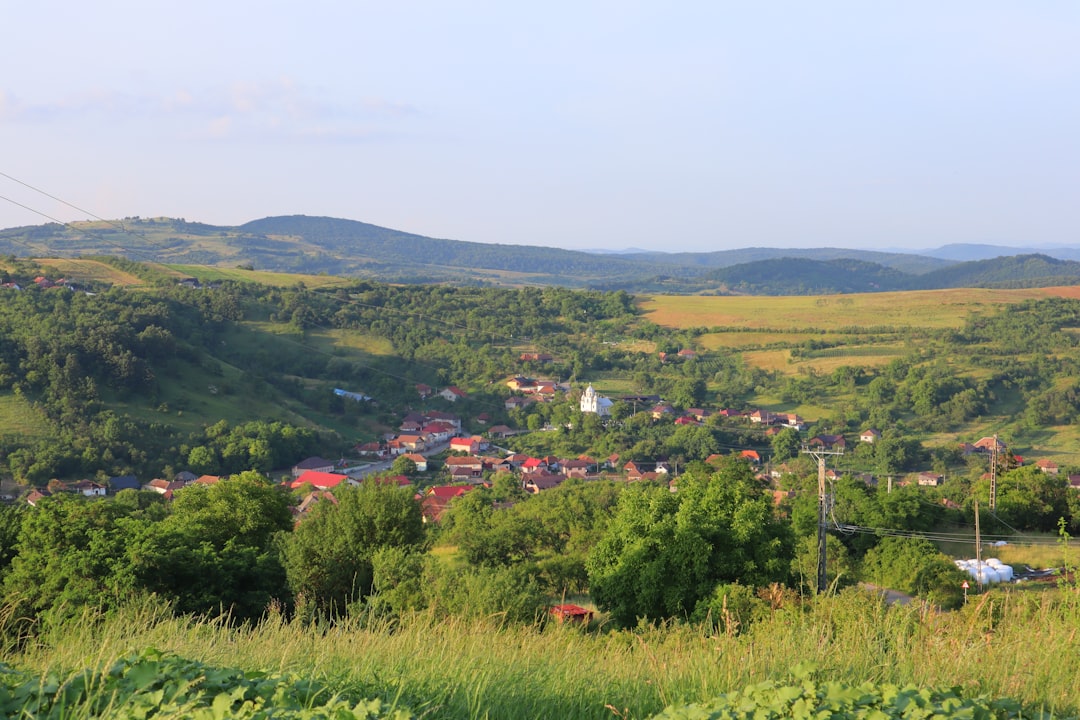
Fuel prices across the Balkan region have experienced a notable decline in late June 2026, offering relief to motorists and logistics companies just as the summer travel season reaches its zenith. In Serbia, the primary reference market for regional energy trends, the prices of gasoline and diesel have decreased for the second consecutive week. This downward trend is not isolated but reflects a broader stabilization in global crude oil markets, which has rippled through to pump prices in neighboring Bulgaria, Romania, Croatia, and North Macedonia. For the average Balkan consumer, whose household budgets are heavily impacted by transport costs, this reduction comes at a critical time. The drop in fuel costs coincides with the peak period for tourism and cross-border commuting, potentially stimulating increased mobility and economic activity throughout the Southeast European region.
The significance of this price adjustment extends beyond immediate consumer savings. Fuel costs are a primary driver of inflation in the Balkans, where energy prices are closely monitored by central banks and statistical agencies. A sustained decrease in gasoline and diesel prices can help moderate overall inflationary pressures, giving policymakers some breathing room. Furthermore, for the agricultural and transportation sectors, which remain backbone industries in countries like Serbia and Bulgaria, lower diesel prices directly reduce operational expenses. This shift could lead to marginally lower costs for freight transport, potentially stabilizing the prices of essential goods as they move through regional supply chains.
Market Dynamics and Global Oil Trends
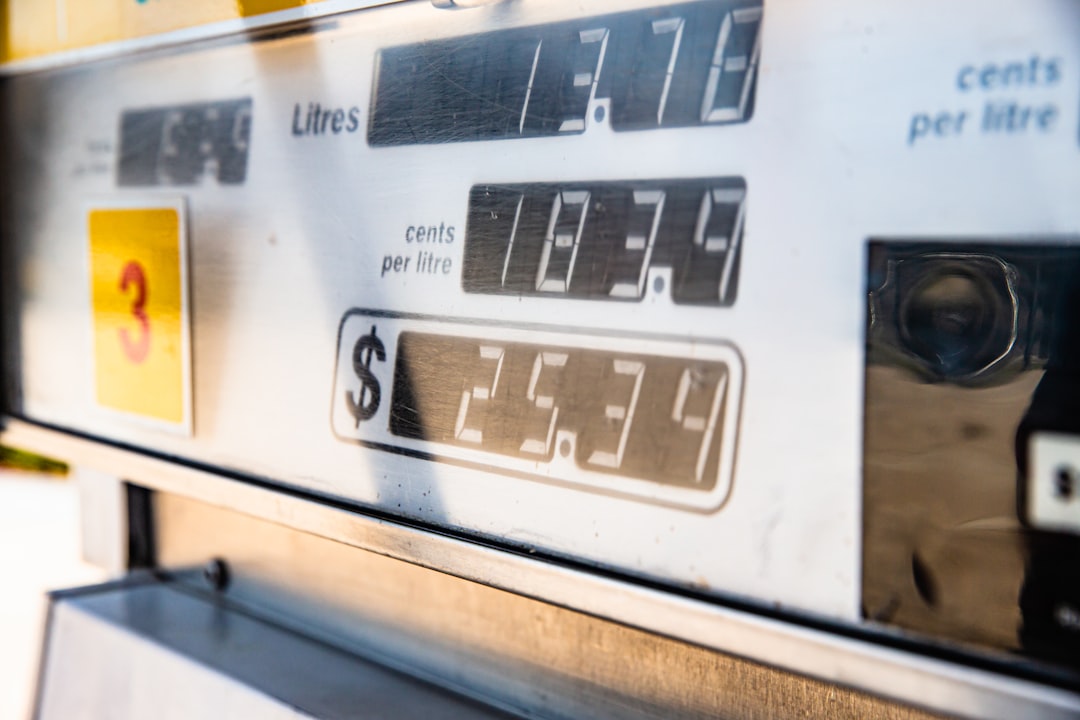
The recent drop in fuel prices in the Balkans is largely attributed to fluctuations in international crude oil benchmarks, specifically Brent and WTI. Throughout mid-2026, global oil prices have softened due to a combination of factors, including increased production from non-OPEC nations and a slight moderation in demand forecasts from major economic powers. Analysts note that while geopolitical tensions in Eastern Europe and the Middle East continue to pose supply risks, the current surplus in storage capacities has helped keep prices in check. For Balkan nations, which are net importers of refined petroleum products, these global shifts are transmitted directly to local markets through the pricing mechanisms of major oil companies such as NIS in Serbia and Bulgarian Oil Industries in Bulgaria.
Local market conditions also play a role in the final price at the pump. In Serbia, the government continues to monitor the fuel market closely, ensuring that price reductions at the wholesale level are passed on to retail consumers. The recent price cuts, which saw gasoline drop by several dinars per liter and diesel follow suit, reflect the competitive landscape among fuel retailers. Similar dynamics are observed in Croatia and Romania, where the EU regulatory framework mandates transparency in fuel pricing. However, differences in tax structures mean that the absolute price per liter varies significantly between countries, with Western Balkan nations generally enjoying lower pump prices than their EU counterparts, despite the recent declines across the board.

The Balkan Perspective: Tourism and Daily Life
For the Balkan audience, the timing of this fuel price drop is particularly relevant. The summer months are the peak season for domestic and international tourism in the region. Countries like Montenegro, Croatia, and Greece see a massive influx of visitors, leading to increased traffic on highways and a surge in fuel consumption. Lower prices can encourage more families to take road trips, boosting the hospitality and retail sectors in less accessible but culturally rich areas. In North Macedonia and Bosnia and Herzegovina, where internal migration for work is common, cheaper fuel reduces the cost of daily commutes and cross-border labor mobility, providing a small but tangible boost to household disposable income.
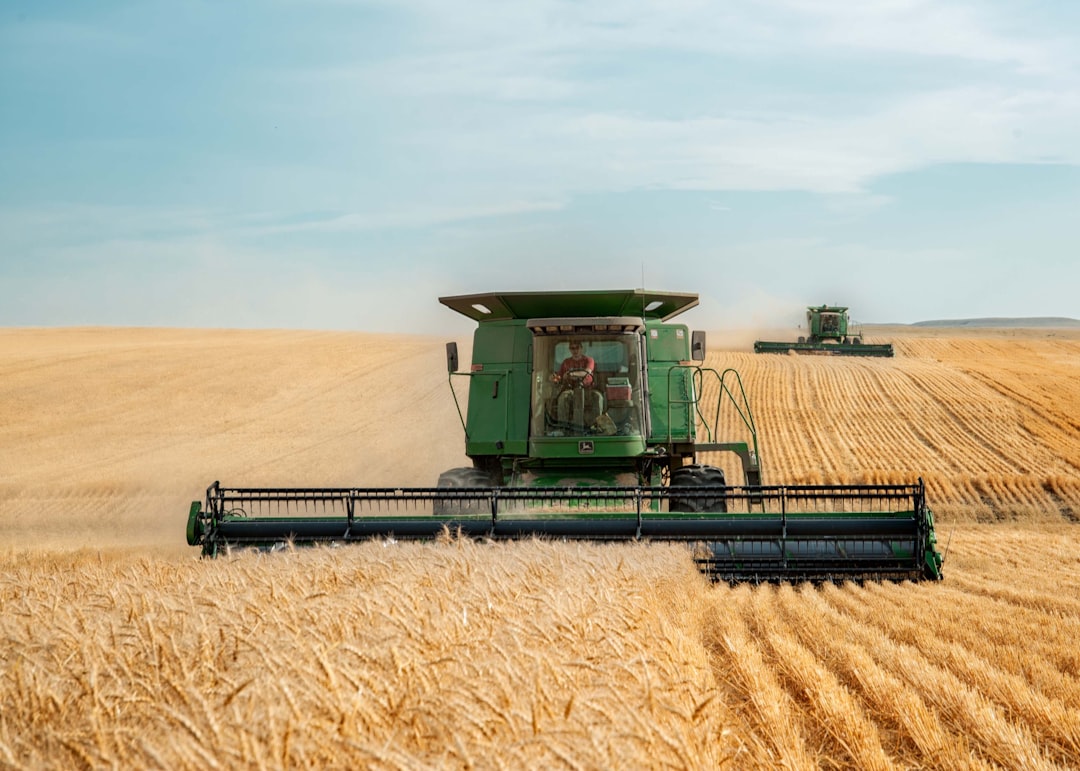
Moreover, the agricultural sector, which is vital to the economies of Serbia, Bulgaria, and Romania, benefits directly from lower diesel prices. Farmers are currently in the midst of harvest preparations or early planting cycles, and fuel is a major input cost for machinery operation. A decrease in diesel prices can improve profit margins for agricultural producers, who have faced rising costs in fertilizers and labor over the past year. This sectoral relief is crucial for maintaining food security and stabilizing rural economies, which remain a significant portion of the population in many Balkan states. The ripple effect of cheaper fuel can thus be seen in the stability of food prices, contributing to overall economic resilience in the region.
What to Watch For Next
As the summer progresses, the sustainability of these lower fuel prices will depend on the continued stability of global oil markets. Geopolitical developments, particularly in the Black Sea region and the Middle East, remain potential wildcards that could disrupt supply chains and drive prices back up. Consumers and businesses in the Balkans should monitor weekly price announcements from major fuel distributors, as these can change rapidly in response to international trends. Additionally, the impact of the current price drop on inflation rates will be a key metric for central banks in the region, influencing future monetary policy decisions.
For the average driver, the immediate benefit is clear: filling up the tank now costs less. However, experts advise that this may be a temporary reprieve rather than a long-term trend. As global demand picks up again in the autumn and potential supply disruptions loom, prices could stabilize or rise. The current window of lower costs presents an opportunity for travelers and businesses to optimize their logistics and travel plans. Keeping an eye on the weekly fuel price reports from national statistical offices and energy ministries will be essential for understanding the broader economic implications of these fluctuations. The coming weeks will reveal whether this price drop is a fleeting market correction or the start of a more sustained period of energy affordability in the Balkans.



Comments