


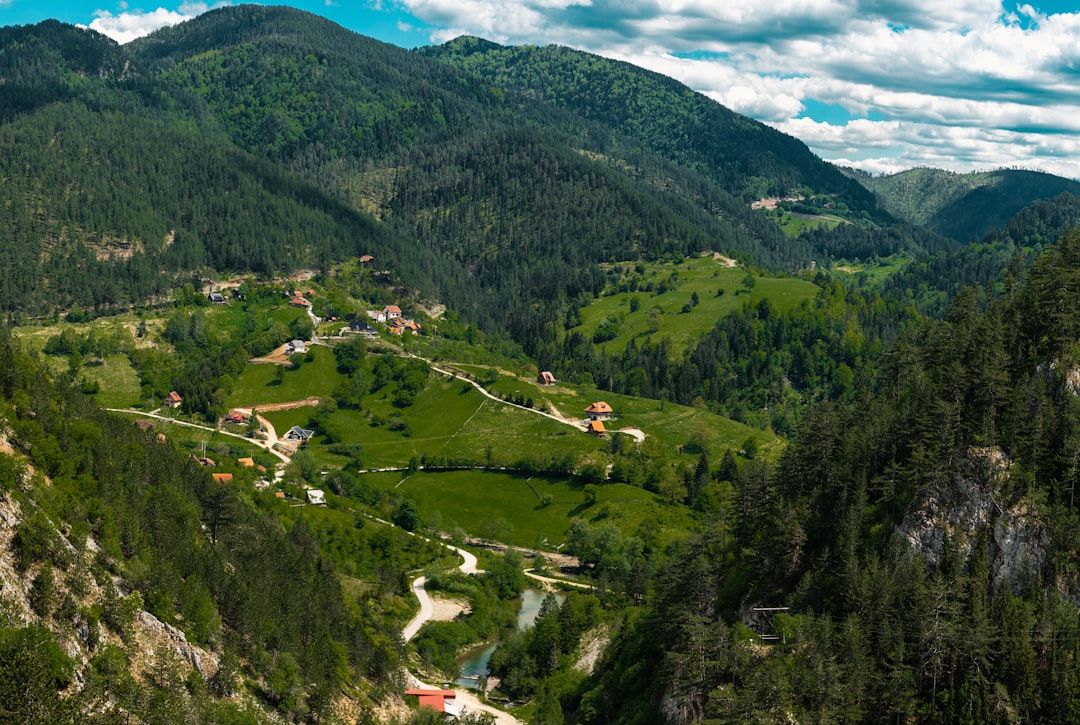
I woke up in Stari Banovci with a head that felt like it had been packed with wet cement and a pair of lungs burning from the humidity of a Serbian summer. My host, a guy named Dragan who looked like he’d wrestled bears in his youth, handed me a glass of dark red wine before breakfast. "For the blood," he said, grinning. "And for the bike. You need fuel." I stared at the bottle. It was Fruška Gora wine, grown in the very soil I was about to pedal through. I drank it. It tasted like iron, blackberries, and history. By the time I clipped into my pedals, the hangover was gone, replaced by a manic determination to conquer the rolling hills of this strange, green island in the middle of the Pannonian Plain.
Most people think of Serbia as a land of concrete blocks and heavy Balkan beats. They’re not wrong, but they’re missing the plot. Fruška Gora is a different beast. It’s a national park that feels more like a patchwork quilt of vineyards, monasteries, and dense oak forests, all perched on the edge of the Great Morava river valley. There are no jagged peaks here, no alpine thin air. Just gentle, deceptive slopes that will humble you if you let them, and a wine culture so deep in the ground that you can practically smell the fermentation from the bus station. I came to ride. I stayed because the wine was free at the source, the views were unpretentious, and the silence between the vines was louder than any club in Belgrade.
History & Identity
This isn't just a hill; it's a fortress of culture. Fruška Gora has been inhabited since the Stone Age, but its real identity was forged during the Ottoman period. When the rest of Serbia was under Turkish rule, this area, known as the Banat of Sirmium, became a refuge for Serbs fleeing south. They brought their faith, their traditions, and their winemaking skills. Today, the park is dotted with nine medieval monasteries, each one a silent witness to centuries of war, peace, and plenty. The landscape isn't just scenic; it's sacred. You'll ride past a vineyard and then, suddenly, a bell tower will crest the hill, reminding you that this land has always been about survival and faith.
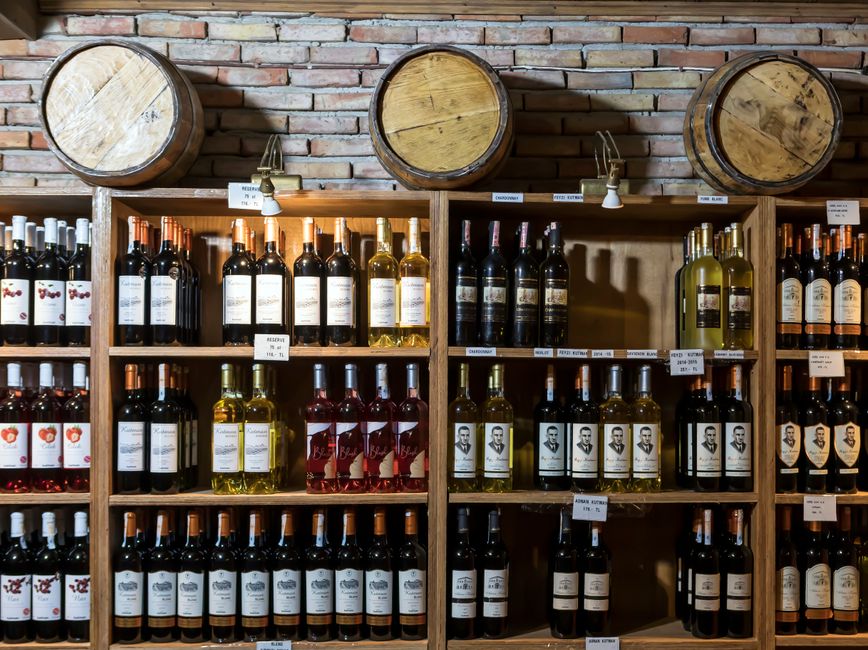
The wine industry here is as old as the monasteries. The monks were the original vintners, cultivating vines on the south-facing slopes to survive harsh winters. Today, that tradition lives on in hundreds of family-run cellars and a few larger producers. The soil is a mix of loess, clay, and limestone, perfect for white varieties like Grbašica and Zelen, and reds like Prokupac and Tamjanika. It’s not the flashy, oaky wine of the New World. It’s earthy, mineral, and honest. Drinking it here feels like participating in a ritual that’s been going on for five hundred years.
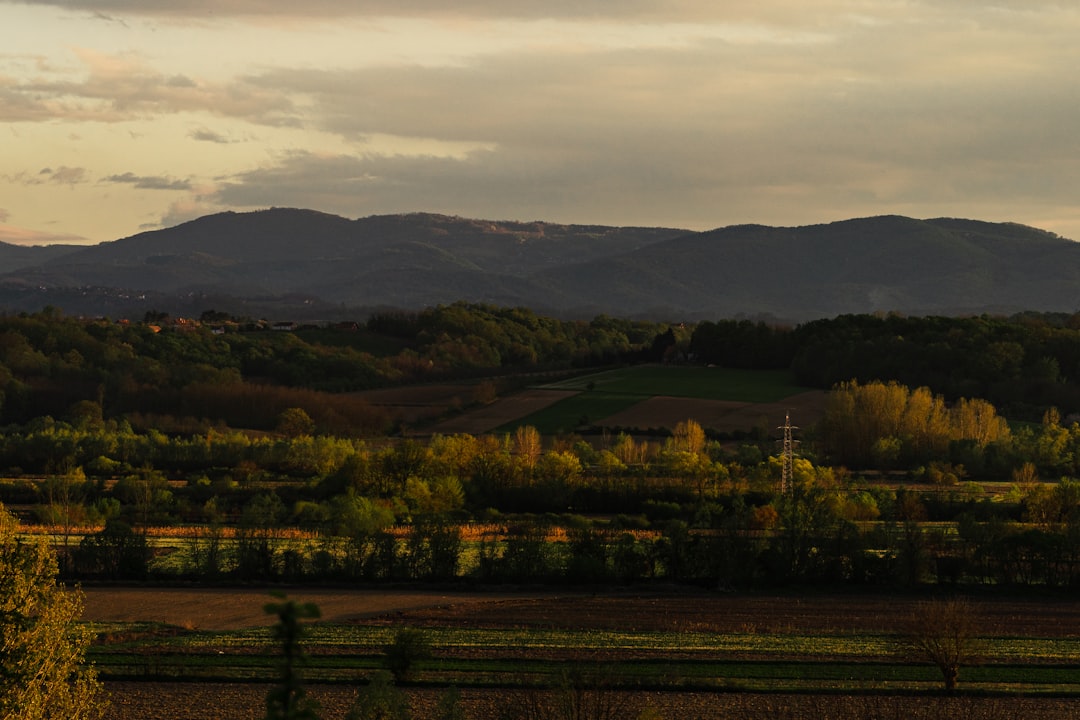
The national park status, granted in 1960, has protected this unique ecosystem from the sprawl that’s consumed much of the surrounding region. It’s a green lung for Novi Sad, just a short drive south, and a haven for biodiversity. You’ll see deer, wild boar, and even wolves in the deeper forest parts. But for the cyclist, the real treasure is the network of roads that wind through the vineyards, connecting tiny villages that time seems to have forgotten. It’s a place where the past isn’t a museum exhibit; it’s the daily rhythm of life.
Where to Go
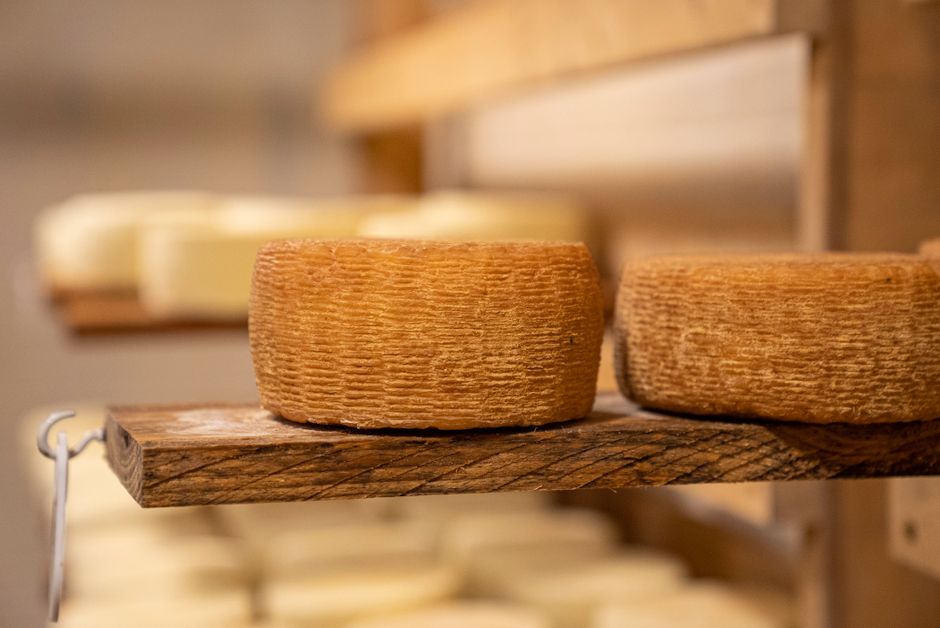
Stari Banovci — This is the unofficial capital of the Fruška Gora wine region. The village is a maze of cellars, known locally as podrumi. You’ll find them in every backyard, often hidden behind wooden gates. Entry is free, but you’re expected to buy something. A glass of wine and a plate of local cheese will cost you around 3-5 EUR. It’s the perfect place to start or end your day. The atmosphere is casual, friendly, and deeply rooted in tradition. Don’t expect polished tasting rooms; expect wooden tables, plastic chairs, and wine poured from large bottles.
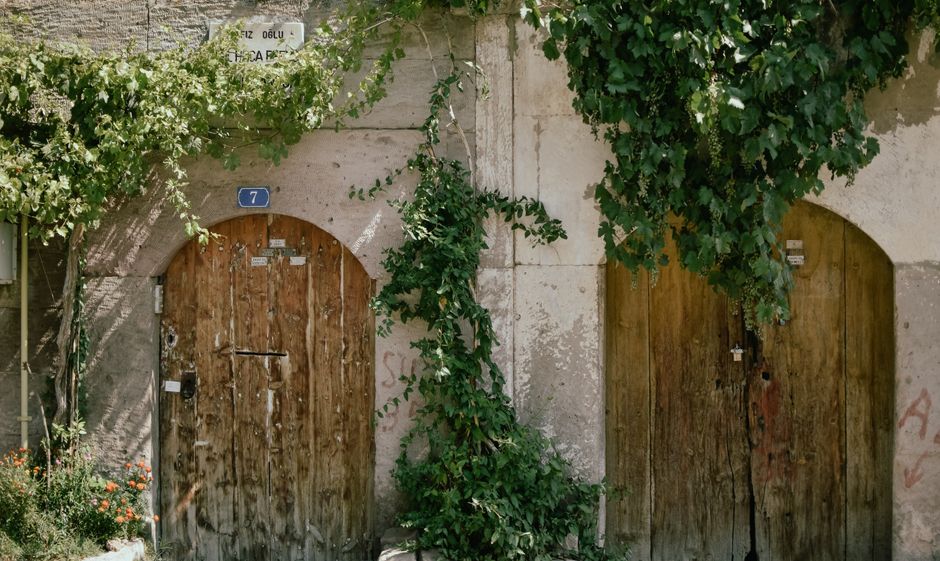
Grgeteg Monastery — Perched on a high ridge, this 13th-century monastery offers one of the best panoramic views in the park. It’s a climb, but the reward is worth it. You can see all the way to the Danube on a clear day. The monastery is small, intimate, and incredibly peaceful. Entry is free, but donations are appreciated. It’s a great spot for a mid-ride break. Bring water, as there are no facilities on site. The surrounding forest is dense and cool, a welcome respite from the summer heat.
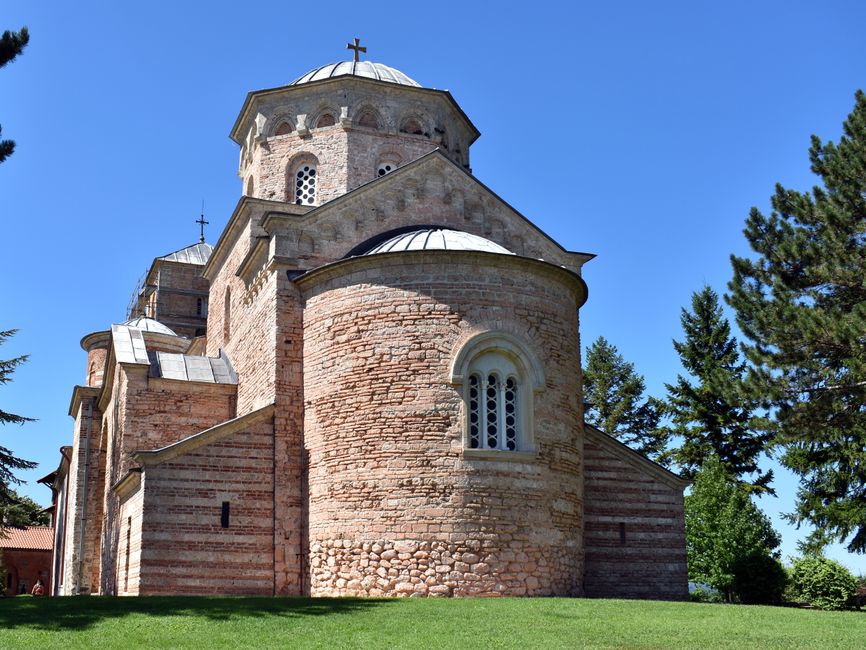
Markovac Monastery — Located at the highest point of the park, this monastery is a bit more remote and requires a longer ride. It’s a spiritual center for the region and a place of quiet reflection. The view from the terrace is spectacular, looking out over the rolling hills and the distant city of Novi Sad. There’s a small cafe here, but prices are higher than in the villages. Expect to pay 5-7 EUR for a coffee and a pastry. It’s a good place to stop if you’re feeling ambitious.
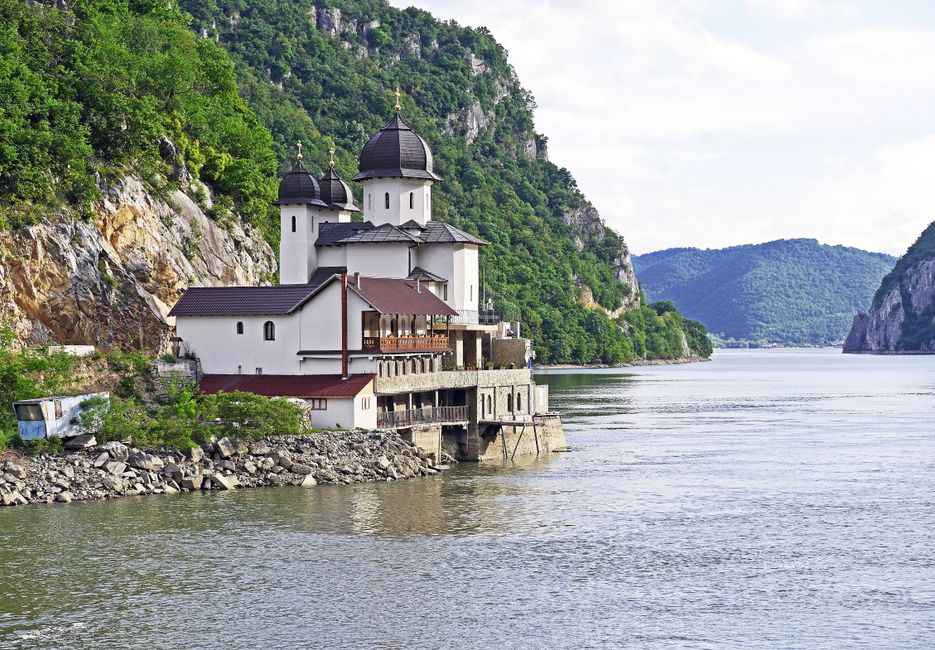
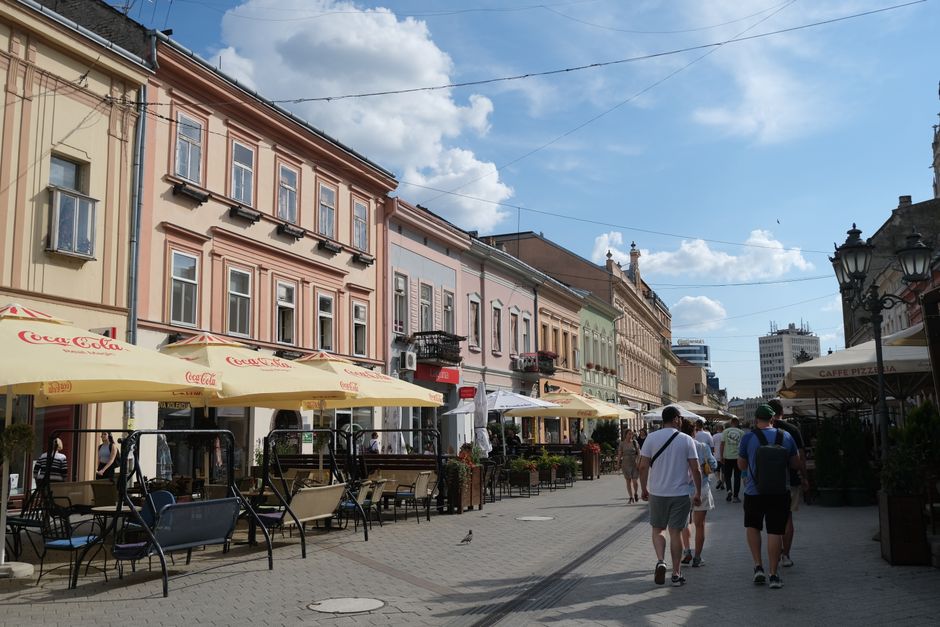
Irig — This charming town on the edge of the park is known for its wine festivals and its relaxed vibe. The main street is lined with cafes and restaurants, and the local market is a great place to pick up supplies. It’s a good base for exploring the southern part of the park. There are several good restaurants here, with meals ranging from 8-15 EUR per person. The town has a strong sense of community, and you’ll feel welcome whether you’re cycling, hiking, or just wandering around.
What to Eat & Drink
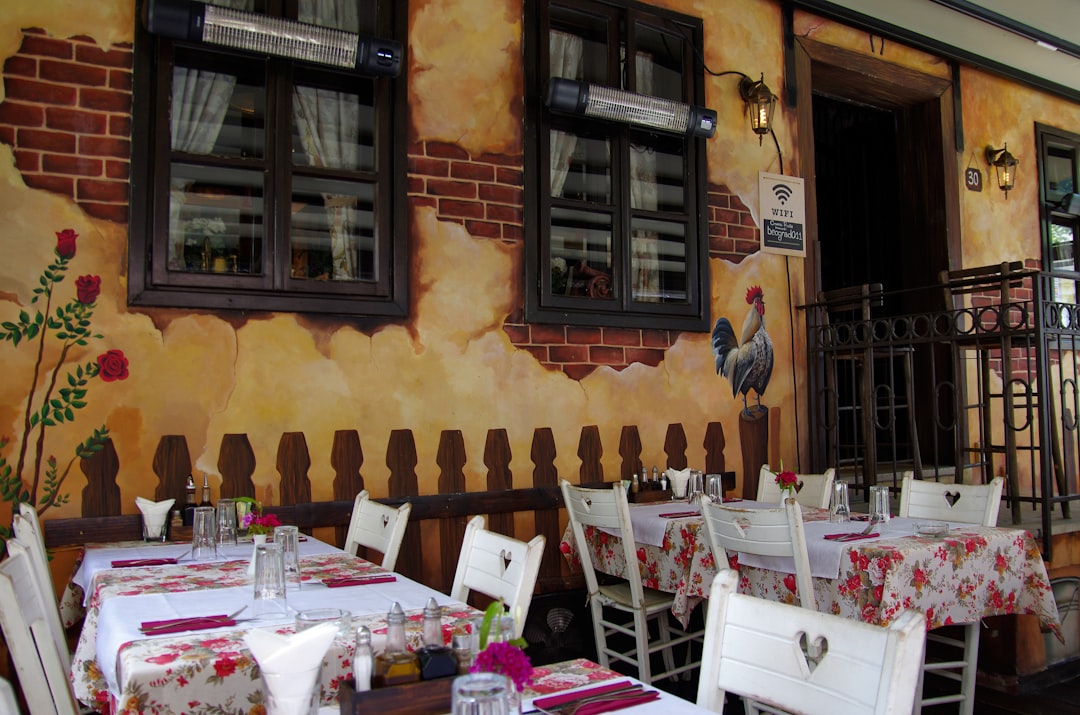
Eating in Fruška Gora is an experience in itself. The food is hearty, simple, and deeply connected to the land. You’ll find plenty of ćevapi (grilled minced meat), pljeskavica (Serbian burger), and sarma (cabbage rolls) in the local restaurants. But the real stars are the local wines and the fresh produce. Look for Grbašica, a crisp white wine that’s perfect for a hot day, and Prokupac, a bold red that pairs well with grilled meat. A glass of wine in a cellar will cost you 1-3 EUR, while a meal in a restaurant will set you back 8-15 EUR.
For budget travelers, the cellars are your best friend. Many of them offer simple meals like pašticada (braised beef) or anjovi na čičarku (anchovies on cornbread) for 5-8 EUR. You can also pick up fresh bread, cheese, and olives from the local markets. Don’t miss the travnička salata, a local salad made with fresh herbs and vegetables. It’s light, refreshing, and perfect for a picnic in the park. There are no major food streets, but the main squares in towns like Irig and Stari Banovci are filled with cafes and take-away options.
Nightlife
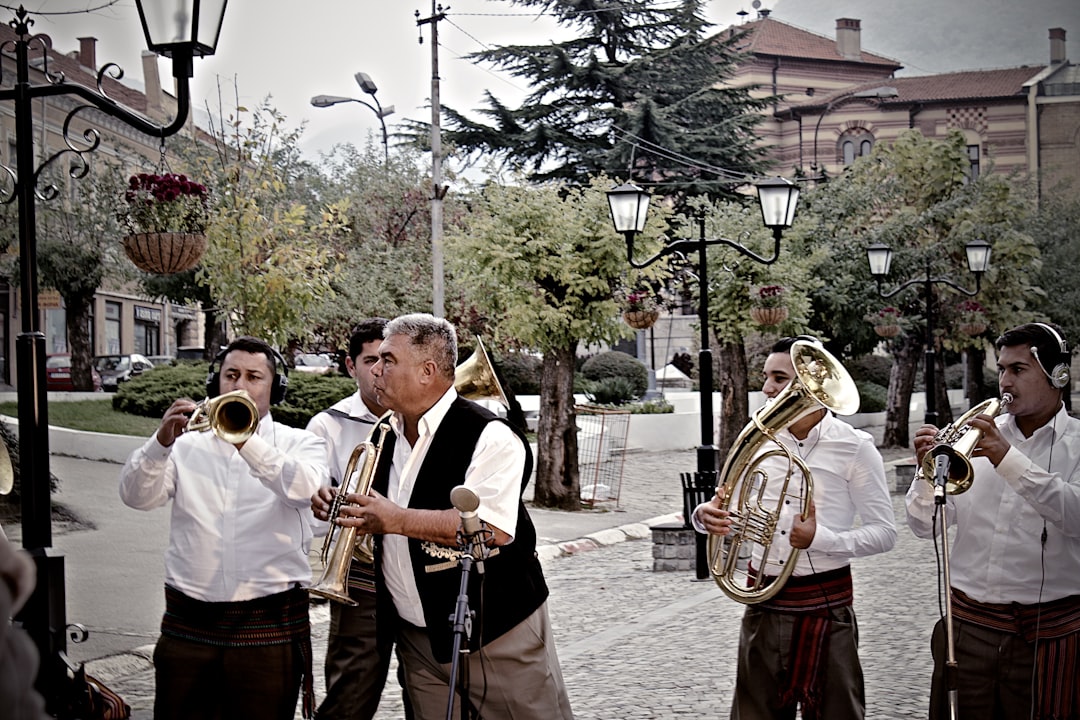
Nightlife in Fruška Gora is not about clubs and neon lights. It’s about sitting in a cellar with locals, drinking wine, and listening to folk music. The best places for this are in Stari Banovci and Irig. In Stari Banovci, look for the cellars that are open late. Some of them have live music on weekends, with local bands playing traditional Serbian songs. In Irig, the main square is the place to be. There are several cafes and bars here, and the atmosphere is relaxed and friendly. You’ll find a mix of locals and tourists, all enjoying the evening.
For a slightly more upscale experience, head to the hotels in Irig or the larger villages. Some of them have bars and restaurants that are open late. But the real magic is in the cellars. There’s nothing quite like sharing a bottle of wine with a local vintner, listening to his stories about the harvest, and feeling the warmth of the community. It’s not a party; it’s a connection. And it’s the best kind of nightlife you’ll find in the Balkans.
Getting There & What to Expect
The nearest major city is Novi Sad, which is about 30 km from the southern edge of the park. You can get there by bus or train from Belgrade, with travel times of around 2 hours and costs of 10-15 EUR. From Novi Sad, you can take a local bus or taxi to the villages in the park. Buses run regularly, and a ticket will cost you 2-5 EUR. Taxis are more expensive, but still reasonable. If you’re driving, the roads are good and well-signposted.
For accommodation, you have several options. Budget hostels and guesthouses are available in Stari Banovci and Irig, with prices ranging from 15-25 EUR per night. Mid-range hotels in Irig will cost you 30-50 EUR per night. Camping is also possible in designated areas, but facilities are basic. The best time to visit is during the harvest season, from August to October, when the vineyards are at their most beautiful and the wine festivals are in full swing. Spring is also a good time, with mild weather and blooming flowers. Avoid the peak of summer, as it can be hot and humid.
Search accommodation in Irig on Booking.com →
The Last Mile
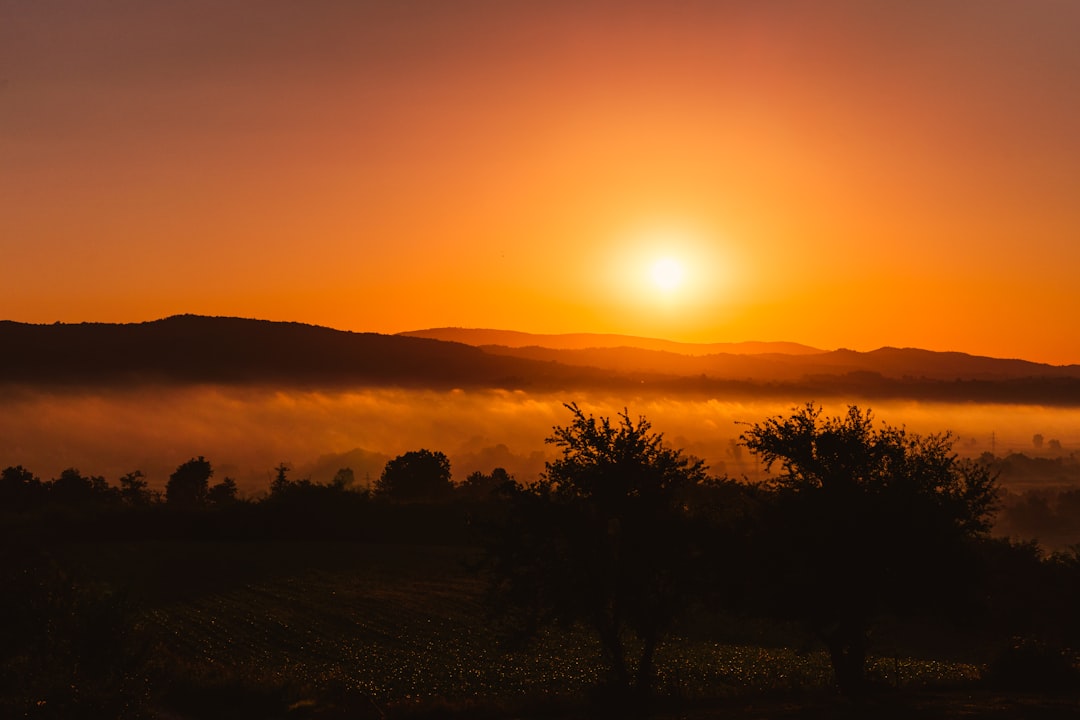
I ended my ride in Stari Banovci as the sun was dipping below the horizon, painting the vineyards in shades of gold and purple. My legs were screaming, my shirt was soaked with sweat, and my mind was completely empty. Dragan was waiting for me with another glass of wine, this time a rosé that tasted like summer itself. We sat on his porch, watching the fireflies dance in the dark, and he told me a story about his grandfather, who had planted the first vines on that hill over a hundred years ago.
"The land gives," he said, pointing to the dark shapes of the trees. "But you have to listen. You have to respect it." I looked out at the rolling hills, now hidden in shadow, and I realized he was right. This isn't a place for conquering. It’s a place for listening. For tasting. For slowing down and letting the world rush by without you. I drank the wine. It tasted like dirt, and blood, and time. And for the first time in a long time, I felt completely at peace.
Comments