


History & Identity
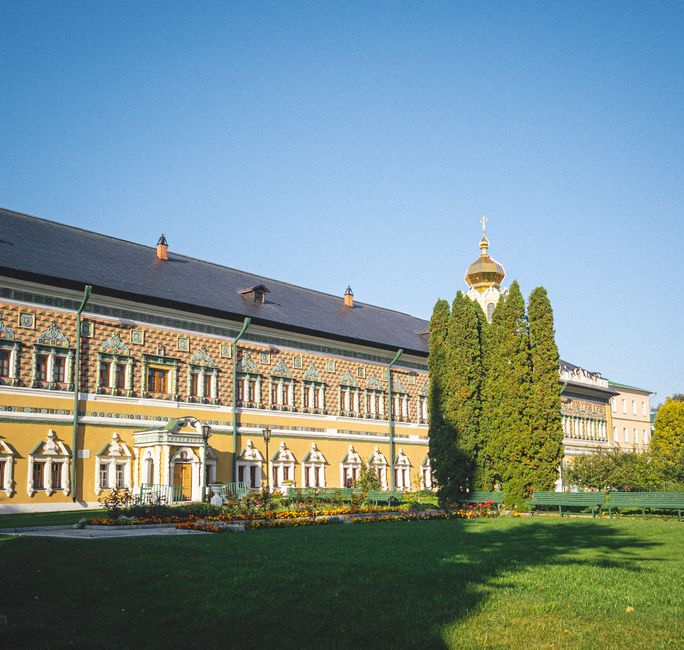
Fruška Gora isn't just a park; it's a spiritual fortress. For centuries, this low mountain range served as a sanctuary for Serbian monks fleeing Ottoman advances. The dense forests provided cover, and the limestone caves offered shelter. What started as a few humble hermitages grew into a network of twelve Orthodox monasteries, each with its own distinct character, architecture, and legend. These aren't just tourist sites; they are living, breathing communities where the liturgy still echoes off stone walls that have stood for nearly a millennium.
The identity of Fruška Gora is deeply tied to the concept of seoba, or migration. The Serbian Orthodox Church effectively moved its center here in the 16th and 17th centuries when Belgrade fell. Monasteries like Grgeteg Grgeteg Monastery and Jazak Jazak Monastery became centers of learning and culture, preserving Serbian identity through art, manuscripts, and faith. Today, that history isn't locked away in museums; it's visible in the frescoes, the icons, and the quiet dignity of the monks who still tend to these grounds.
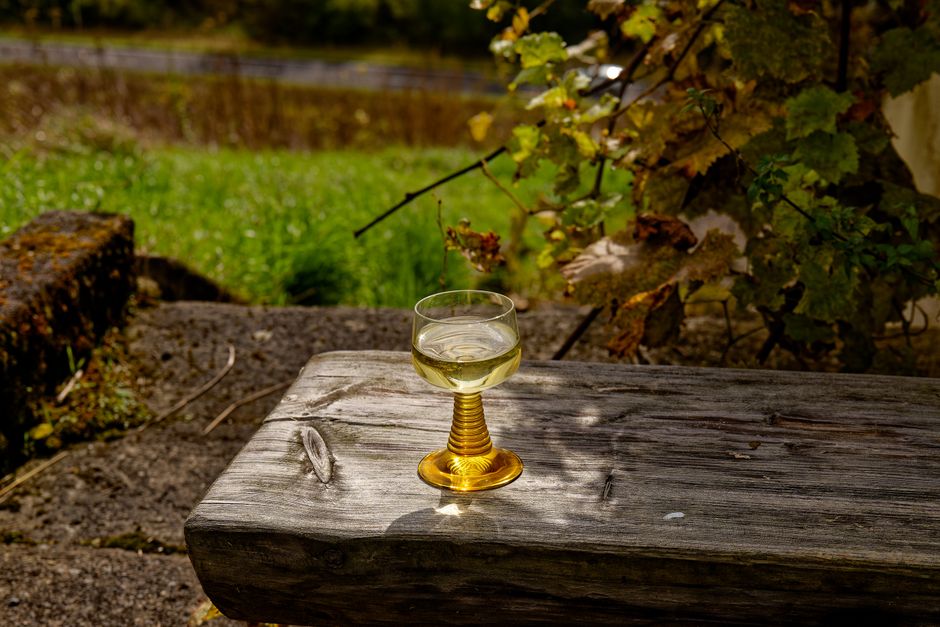
But there's another layer to this place: wine. Fruška Gora is one of Serbia's oldest wine regions, with vineyards dating back to Roman times. The limestone soil, similar to that of Champagne, gives the local wines a crisp, mineral character. The Pannonian climate — hot summers and cold winters — creates a stark contrast that forces the vines to struggle, producing grapes with intense flavor. This dual identity of faith and wine defines the region. It's a place where you can attend a morning service and spend the afternoon tasting a robust Prokupac red, all within a few miles of each other.
Where to Go
Jazak Monastery — The largest and most imposing of the Fruška Gora monasteries, Jazak sits on a hilltop overlooking the Danube. Founded in 1235, it has been burned and rebuilt multiple times. The church itself is a blend of Serbian medieval and Baroque styles. The view from the courtyard is spectacular, especially at sunset. Entry is free, but donations are appreciated. Best time to visit: early morning to avoid crowds.
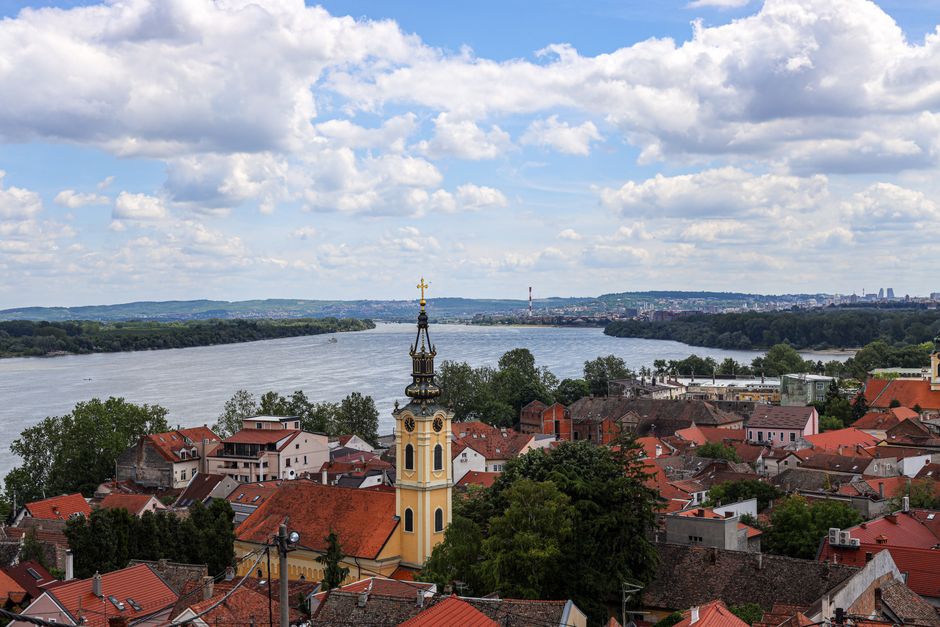
Krušedol Monastery — The spiritual heart of the Serbian Orthodox Church in the region, Krušedol is the seat of the Eparchy of Bačka. It's a sprawling complex with a museum, a library, and a church adorned with stunning frescoes. The atmosphere here is more solemn than at other sites. The museum inside displays icons, manuscripts, and liturgical objects. Entry fee is around 2 EUR. Best time to visit: mid-morning.
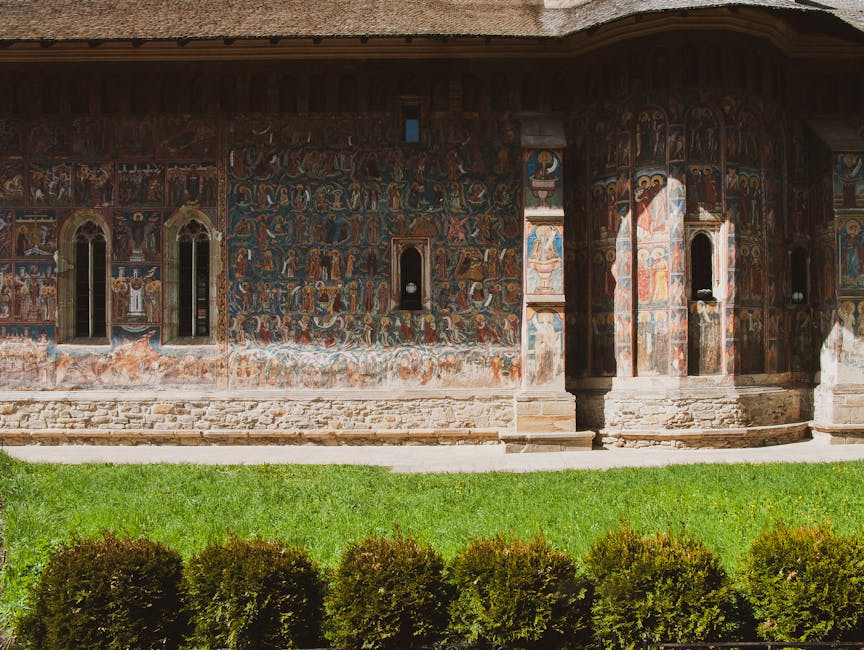
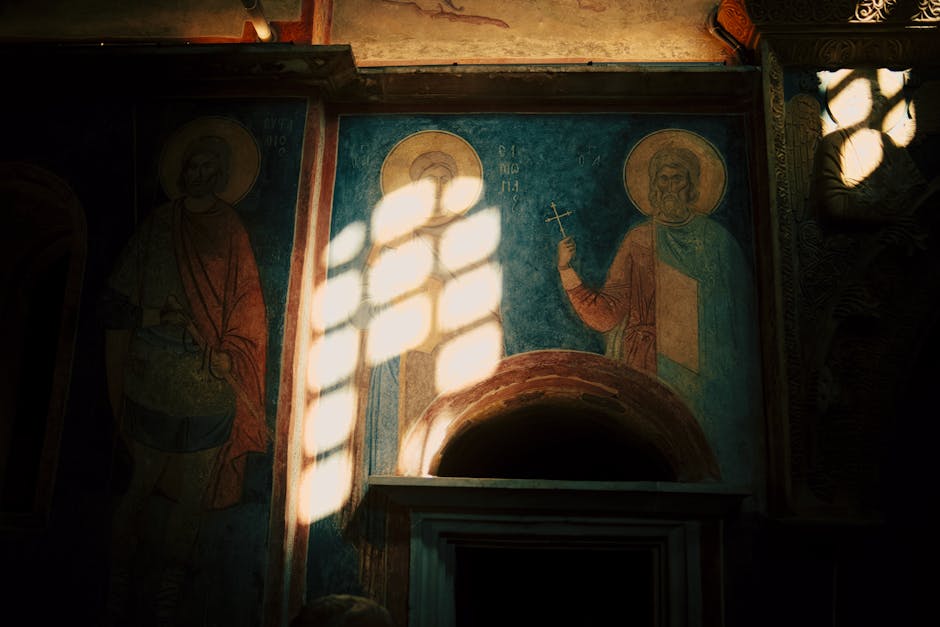
Grgeteg Monastery — One of the oldest, dating back to the 13th century, Grgeteg is known for its beautiful frescoes and peaceful setting. It's located deeper in the forest, making it feel more secluded. The church is small but intimate, with a warm, golden glow from the icons. There's a small shop selling local honey and wine. Entry is free. Best time to visit: late afternoon.
Stara Pazova Vineyards — Not a monastery, but essential for the wine trail. The village of Stara Pazova is known for its white wines, particularly Šarplaninac and Rkatsiteli. Several wineries offer tastings and tours. The landscape here is rolling hills of vines, with stone cellars carved into the slopes. Tasting flights start at 5-10 EUR. Best time to visit: harvest season (September-October).
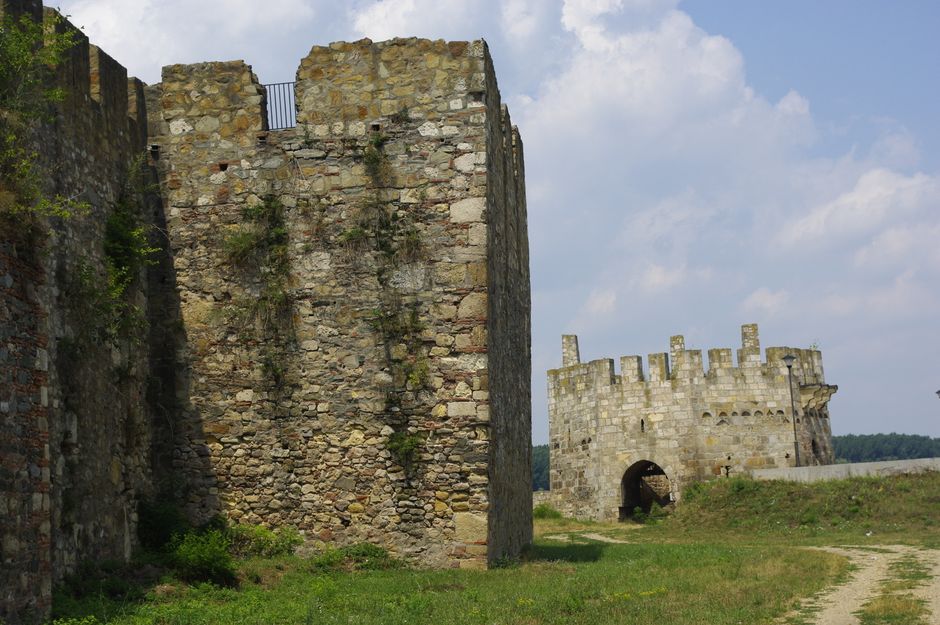
Bajbaša Castle — A short drive from the monasteries, this romantic castle is a popular spot for photos and picnics. Built in the 19th century, it has a fairy-tale appearance with turrets and battlements. The grounds are well-maintained, and there's a small museum inside. Entry fee is around 3 EUR. Best time to visit: spring or summer.
What to Eat & Drink
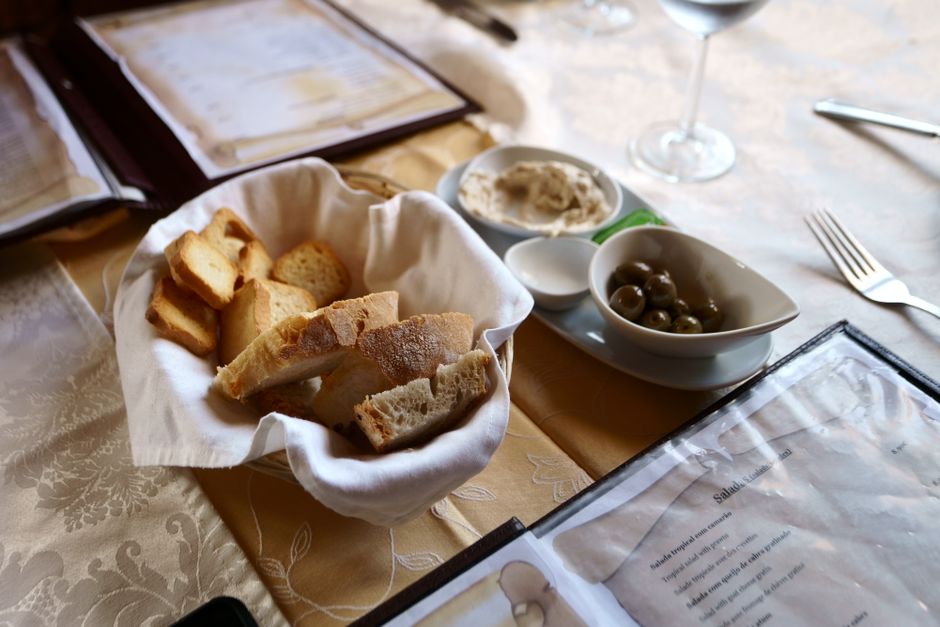
The food here is hearty, rustic, and deeply connected to the land. You'll find plenty of ćevapi 3-4 EUR, grilled minced meat sausages served with somun bread and onions. Šopska salata 3 EUR is a staple, a refreshing mix of tomatoes, cucumbers, peppers, and onions topped with crumbled white cheese. For something more substantial, try sač 10-15 EUR, a meat and vegetable dish cooked in a sealed pot under ashes, served on special occasions.
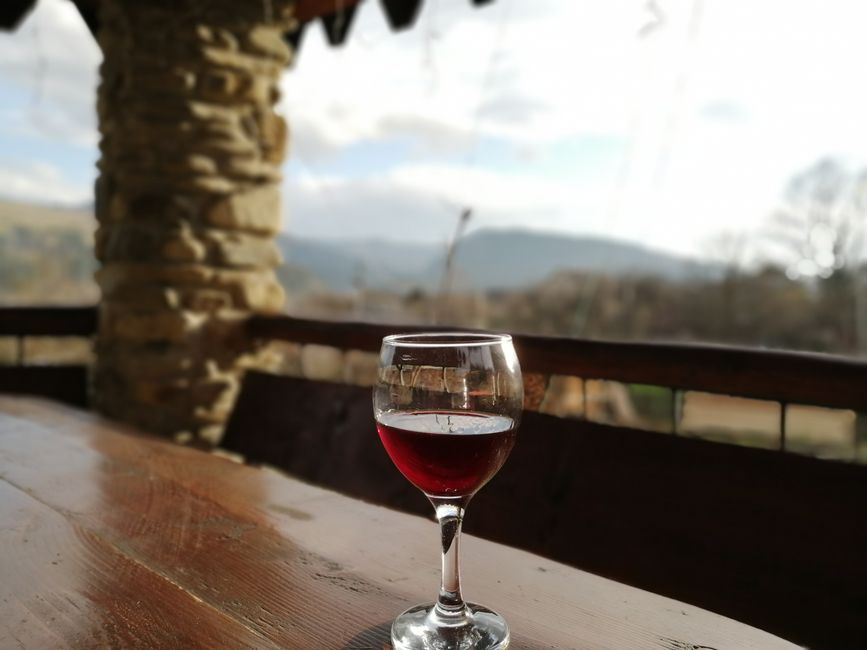
But the star of the show is the wine. Fruška Gora is known for both reds and whites. Prokupac is the most famous red, a full-bodied, spicy wine with notes of blackberry and plum. Rkatsiteli is a popular white, crisp and aromatic with hints of apple and citrus. Wineries like Kovačević and Živković offer excellent tastings. A glass of house wine typically costs 2-3 EUR, while a bottle can range from 5-15 EUR.
Budget travelers can eat well on the go. Look for pogaca 1-2 EUR, a savory pie filled with cheese, spinach, or meat, available from bakeries and street vendors. Slatko 2-4 EUR, a fruit preserve served with rakia, is a perfect dessert. For a sit-down meal, a local restaurant will charge 8-15 EUR per person for a main course and a drink. Mid-range restaurants in Novi Sad or near the monasteries will run 15-25 EUR per person.
The best place to eat and drink is along the main road through the national park, where you'll find several ethno-restaurants and wineries with outdoor seating. The village of Beočin is also a good spot for local cuisine. For budget options, there are food courts in Novi Sad's DSC shopping center, where you can grab a meal for under 5 EUR.
Nightlife
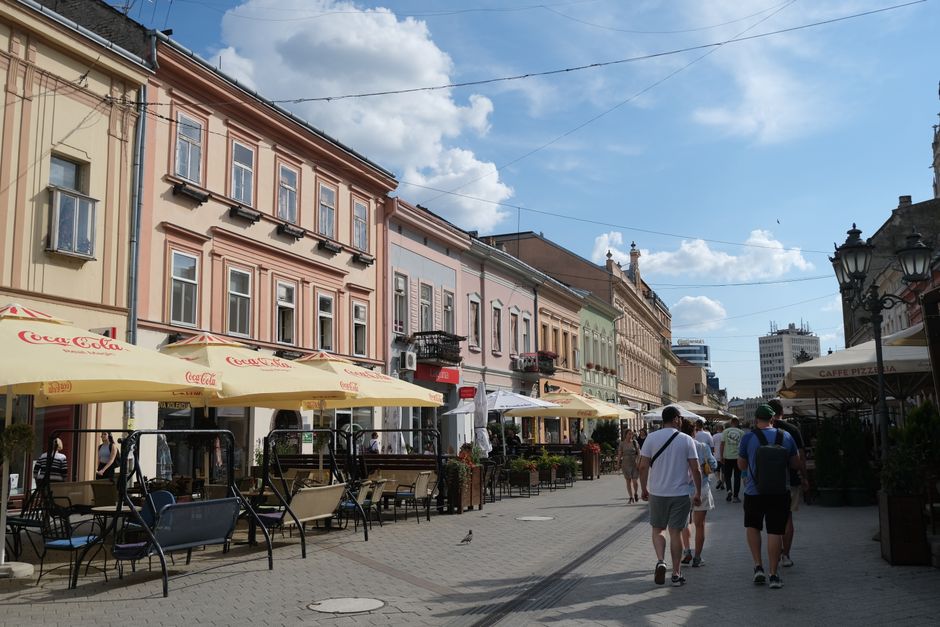
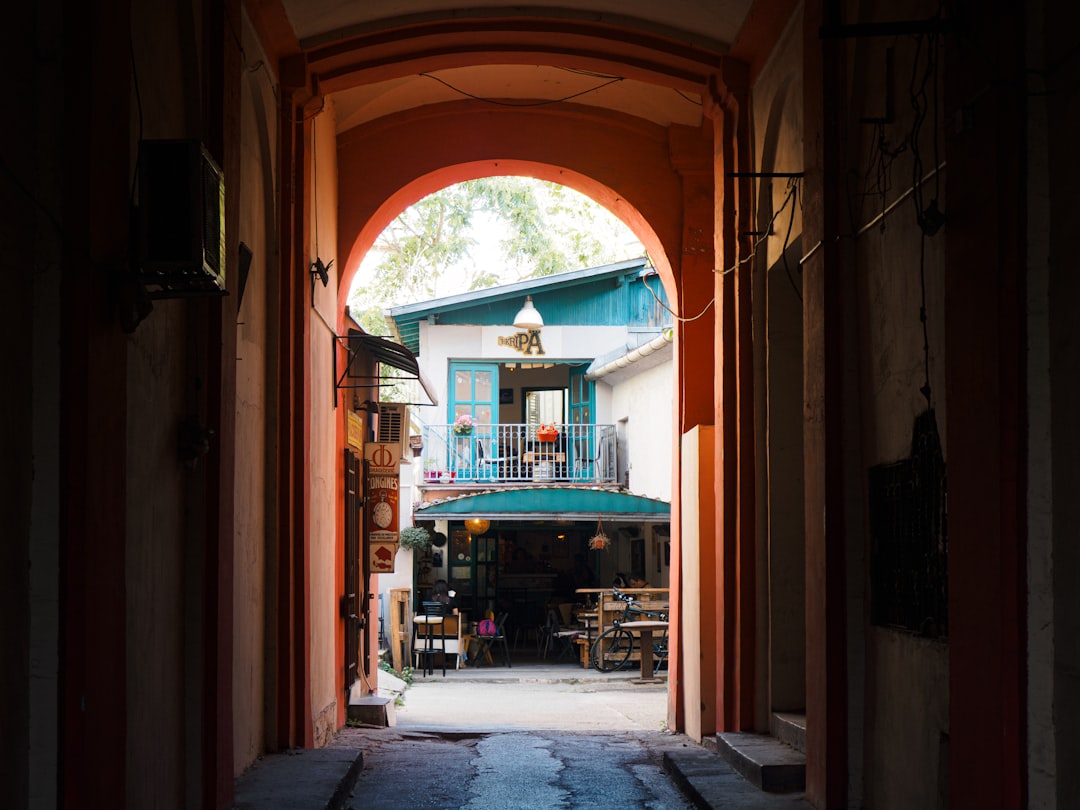
Nightlife in Fruška Gora itself is limited, as it's primarily a daytime destination for nature, history, and wine. Most visitors return to Novi Sad for evening entertainment. The city's main nightlife district is Dorćol, a bohemian neighborhood with narrow streets lined with bars, clubs, and live music venues. The atmosphere is relaxed but vibrant, with a mix of locals and tourists.
One of the most famous spots is Limun Bar, a tiny, iconic bar that's been serving drinks since the 1970s. It's known for its eccentric owner, Ljubiša "Ljuba" Simić, who plays guitar and sings traditional songs. There's no cover charge, and drinks are cheap (2-4 EUR). It's a place to go for the experience as much as the alcohol.
For clubbing, Ex-YU Club and Bar 1991 are popular choices, playing everything from Balkan beats to electronic music. Cover charges are usually around 3-5 EUR, and drinks range from 3-6 EUR. The nightlife scene in Novi Sad is best experienced on weekends, especially during the EXIT Festival in July, when the entire city comes alive.
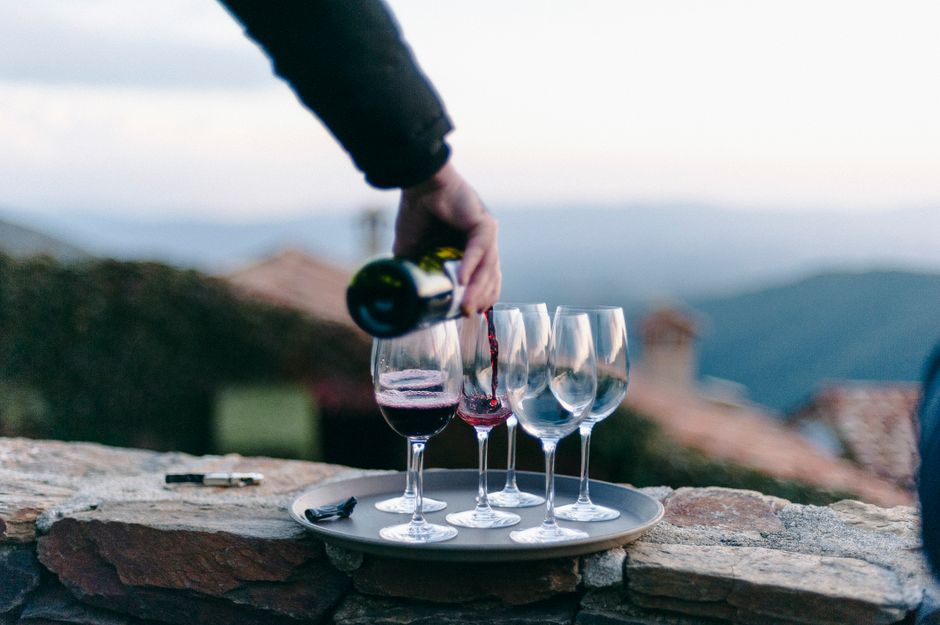
If you prefer a quieter evening, many wineries in Fruška Gora offer evening tastings and live music. Winery Kovačević often hosts events in their cellar, where you can taste wine while listening to folk or jazz. It's a more intimate way to experience the region's nightlife.
Getting There & What to Expect
The nearest major airport is Novi Sad Airport (TSB), which has limited international connections. Most visitors fly into Belgrade Nikola Tesla Airport (BEG) and take a bus or train to Novi Sad, a journey of about 1.5 hours costing 10-15 EUR. From Novi Sad, you can take a bus or taxi to the various monasteries and wineries. Buses run regularly and cost around 2-5 EUR per ride. Taxis are more expensive but convenient, with fares starting at 5 EUR and going up depending on distance.
Car rental is the best way to explore Fruška Gora at your own pace. Several agencies operate in Novi Sad, with daily rates starting at 20-30 EUR. The roads are generally good, but some trails to the monasteries are unpaved. Parking is available at most sites, usually free or for a small fee (1-2 EUR).
Accommodation options range from budget hostels in Novi Sad to mid-range hotels and guesthouses in the villages surrounding Fruška Gora. A hostel bed in Novi Sad costs 10-20 EUR per night, while a private room is 20-40 EUR. Mid-range hotels in the city range from 40-70 EUR per night. In the villages, guesthouses offer rooms for 30-50 EUR per night, often with breakfast included. Camping is also an option in designated areas within the national park.
Search accommodation in Novi Sad on Booking.com →
The best time to visit Fruška Gora is from April to June and September to October. Spring brings blooming flowers and mild temperatures, while autumn offers harvest festivals and colorful foliage. Summer can be hot and crowded, especially during the EXIT Festival. Winter is quiet and cold, with some attractions closed.
The Last Sip
I left Fruška Gora with a head that was half-full of wine and half-full of incense smoke. It's a place that refuses to be categorized. It's too spiritual for the hedonist, too rustic for the luxury traveler, and too alive for the armchair historian. The monasteries don't feel like museums; they feel like homes. The wine doesn't feel like a product; it feels like a conversation.
As I drove back down the hill, the Danube glittering in the distance, I realized that Fruška Gora isn't about conquering anything. It's about surrendering to the pace of the place. It's about sitting on a stone bench, watching a monk walk by, and drinking a glass of wine that tastes like the limestone it grew in. It's a small, green island in a flat sea, and it's exactly what I didn't know I needed.
Comments