


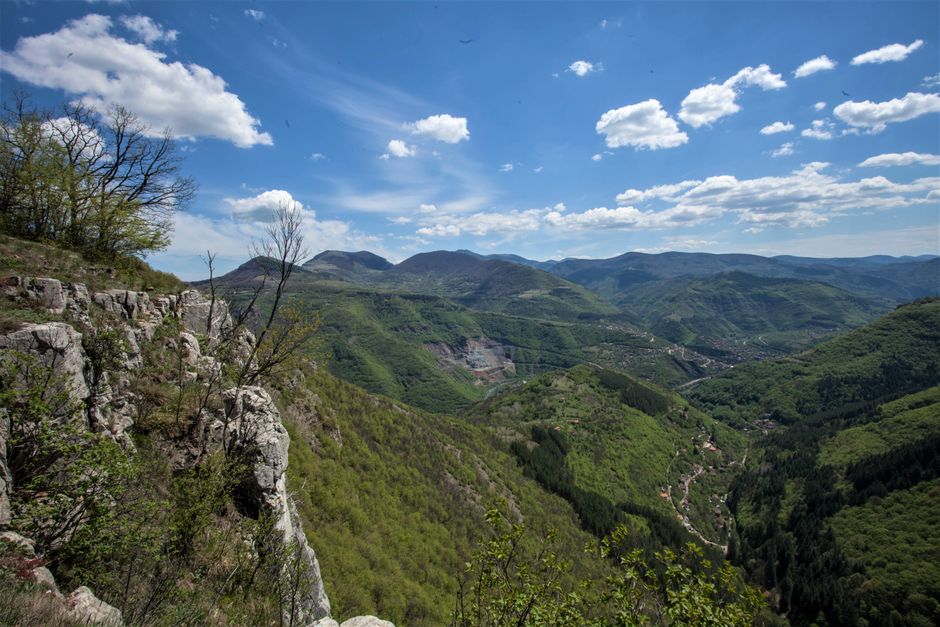
At a high-profile gathering of European leaders on the slopes of Lovćen mountain in Montenegro, the agenda was not solely defined by geopolitical treaties or accession negotiations. Instead, the spotlight fell on the intricate relationship between cultural identity and political progress within the Western Balkans. As nations like Montenegro, Serbia, Albania, and North Macedonia continue their complex journey toward European Union membership, the region is increasingly leveraging its rich heritage, including its renowned gastronomy, as a tool for soft power. This recent event highlighted how traditional Montenegrin cuisine served as a bridge, allowing leaders to engage with the region's culture while discussing its future integration into the broader European community.
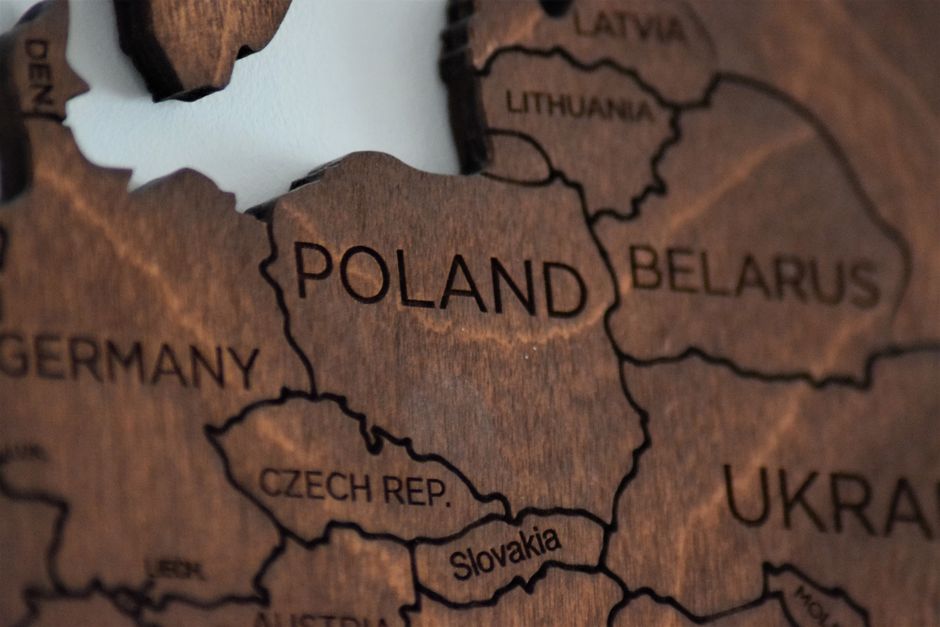
The concept of the "Western Balkans" refers to the group of six Southeast European countries: Albania, Bosnia and Herzegovina, Kosovo, Montenegro, North Macedonia, and Serbia. For decades, the region has been characterized by post-conflict reconstruction and a steadfast desire for EU accession. However, recent years have seen a shift in how these nations present themselves to the international community. No longer just defined by their historical struggles, they are now showcasing their economic potential, tourism appeal, and cultural richness. The evening in question, featuring top-tier gastronomy presented by Forza Kuk, exemplifies this strategic pivot, using the universal language of food to foster goodwill and demonstrate the region's sophistication and readiness for deeper European ties.
The Strategy of Culinary Diplomacy
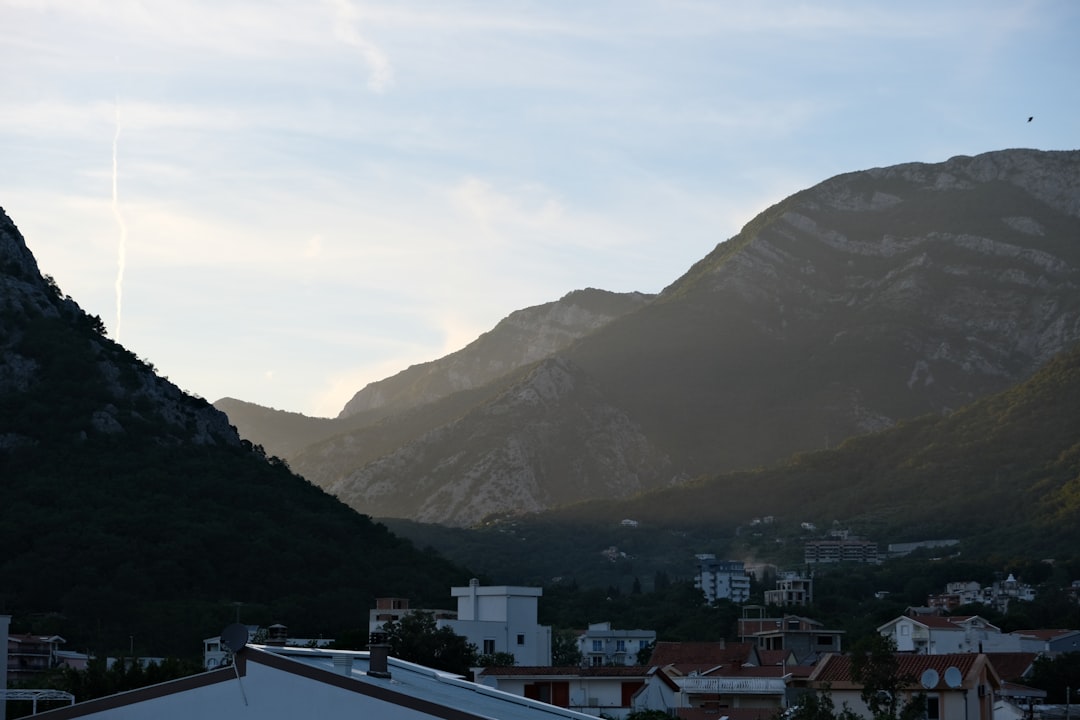
Culinary diplomacy has emerged as a vital component of modern statecraft, particularly for smaller nations seeking to amplify their voice on the global stage. In the context of the Western Balkans, food is more than sustenance; it is a narrative device that counters outdated stereotypes. By presenting high-quality, professionally executed traditional dishes, countries like Montenegro are rebranding themselves as destinations of culture and refinement. This approach aligns with broader EU values of diversity and cultural preservation, creating a favorable environment for political dialogue. The meal served at the Lovćen summit was not merely a social event but a calculated demonstration of the region's capacity for excellence and innovation.
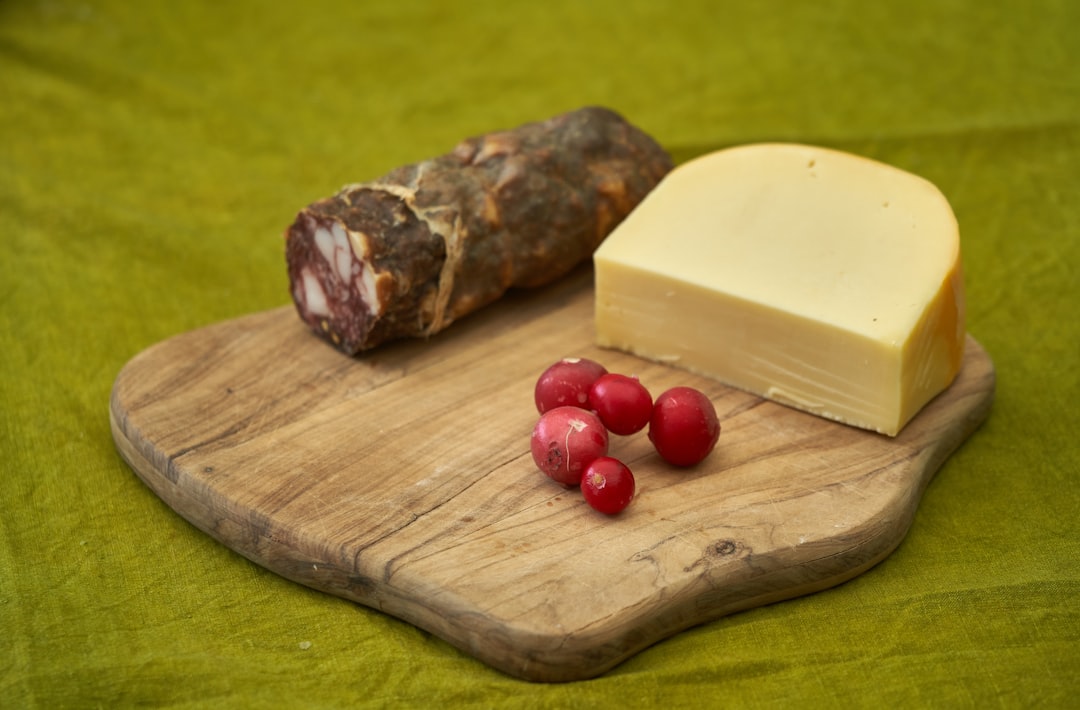
The involvement of established brands like Forza Kuk underscores the growing confidence of local businesses in the region. These companies are no longer just domestic suppliers but are becoming ambassadors of national quality. By curating menus that highlight indigenous ingredients—such as Montenegrin truffles, Pršut (cured ham), and local cheeses—organizers provide a tangible taste of the country's identity. This sensory experience complements the abstract discussions of policy and reform, making the Western Balkans feel more accessible and relatable to European leaders. It transforms the narrative from one of political dependency to one of cultural contribution, suggesting that the region has much to offer the EU beyond just market expansion.
The Geopolitical Context of EU Accession
The backdrop to these cultural displays is the arduous process of EU accession. The European Union has made it clear that enlargement is a priority, but it is contingent upon strict adherence to democratic standards, rule of law, and economic reforms. For the Western Balkans, the path has been fraught with challenges, including bureaucratic hurdles and occasional political stagnation. However, the region remains committed to the "European perspective," viewing integration as the ultimate guarantee of stability and prosperity. The gathering on Lovćen serves as a reminder that while the technical negotiations are critical, the human and cultural connections are equally important in sustaining long-term political support for enlargement from the EU's member states.
The Western Balkans strategy, updated by the EU, emphasizes a more structured and predictable process for candidate countries. This includes the introduction of "reward and pressure" mechanisms, where progress in reforms is directly linked to financial and political incentives. In this high-stakes environment, soft power initiatives like culinary diplomacy play a subtle but significant role. They help maintain a positive image of the region amidst the often-negative news cycles surrounding political disputes or slow reform implementation. By showcasing the best of their culture, Western Balkan leaders aim to keep the momentum of integration alive and ensure that the region remains a priority for European policymakers, even when geopolitical distractions arise elsewhere.
Looking Ahead: Culture as a Catalyst for Change
As the Western Balkans continue their journey toward EU membership, the intersection of culture and politics will likely become even more pronounced. The success of events like the one on Lovćen suggests that there is a growing appetite among European leaders to engage with the region on a more holistic level. This engagement goes beyond the confines of negotiation tables, extending into the realms of tourism, arts, and gastronomy. For the audience in the Balkans, these developments are a source of pride and hope, signaling that their unique heritage is recognized and valued by their European partners.
The significance of this trend extends beyond symbolic gestures. It reflects a broader shift in how the Western Balkans are positioning themselves in the global arena. By embracing their cultural assets, these nations are building resilience against external pressures and fostering internal cohesion. For readers and observers, the key takeaway is that the path to Europe is not just about adopting laws and regulations; it is also about sharing stories and experiences. The future of the Western Balkans in the EU will be shaped not only by political decisions but also by the enduring appeal of its culture, cuisine, and people. As the region continues to refine its narrative, the world is invited to taste, experience, and ultimately support its aspirations for a shared European future.

Comments