


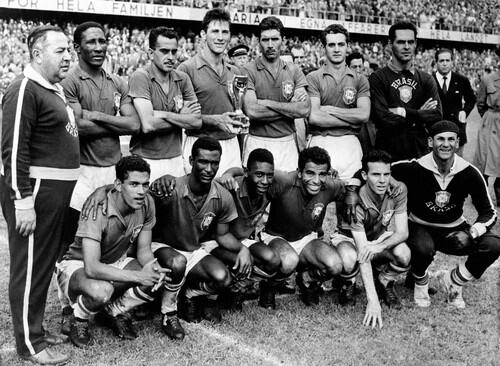
They told him to cut the leg off. He told them to watch him run.
That is the story of Didi. Born in 1928 in Campos dos Goytacazes, Brazil, he didn't start with silver spoons. He started with a bag of peanuts. Selling nuts on the dusty streets to feed his family, this kid was grinding before he even knew what a contract looked like. But destiny has a funny way of striking when you least expect it. At just 14 years old, a knee injury turned into a dangerous infection. The doctors? They saw a lost cause. They wanted to amputate his right leg. The leg that would one day bend defenses like a twig.
The Street That Built a Legend
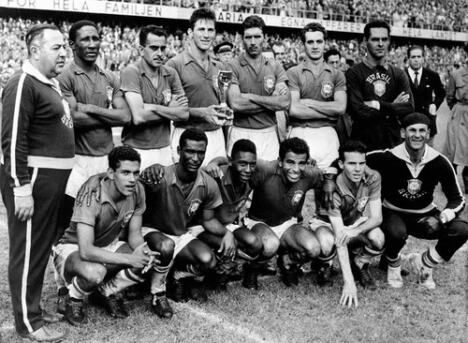
They saved the leg. They didn't save his childhood, but they saved his future. Didi took to the dirt pitches of his hometown, turning pain into power. By 1947, he was pro, starting at Madureira before exploding onto the scene at Fluminense. But his true throne? Botafogo. There, alongside Garincha and Nilton Santos, he became a god. He scored the first-ever goal in the history of Maracanã Stadium for the Rio de Janeiro All-Stars. Can you imagine the pressure? The roar? He walked from the stadium to his house after a championship win in 1957, followed by thousands of fans. That is not just fame. That is worship.
Two Crowns, One Masterpiece
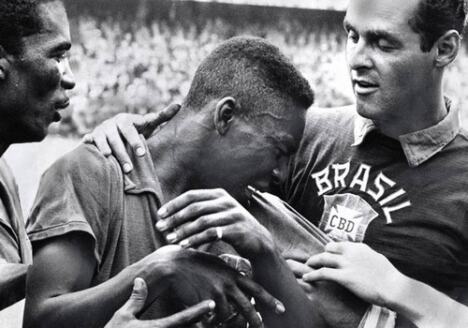
He went to Real Madrid in 1959, rubbing shoulders with Di Stéfano and Puskás. He won the European Cup in 1960. But his soul belonged to Brazil. Two World Cups. 1958 in Sweden. 1962 in Chile. He wasn't just a player; he was the architect. He invented the "folha seca" — the dry leaf. A free-kick that curled and dipped like a dying leaf in the wind, impossible to catch. Didi passed away in 2001, but the legend? The legend never stops running.

Didi stvarno legendarni tip ngl. da je preživeo amputaciju i onda postao šampion sveta? čista magija. folja seca i dalje najbolji free kick ikada