


The Sleeping Giant Wakes
Picture Paris in 2011. The lights are dim, the future is murky, and Paris Saint-Germain are flirting with relegation. They finished 13th in Ligue 1. Thirteenth! In the capital of France! Nasser Al-Khelaifi and Qatar Sports Investments were sweating through negotiations, terrified they might end up buying a second-division sideshow. But the deal struck. The giant woke up. And what followed wasn't just a transfer spree — it was a cultural earthquake.
The Bling-Bling Bloodbath
Enter the era of excess. Zlatan. Neymar. Messi. Mbappe. The names alone could buy small countries. Critics screamed "sportswashing," comparing the QSI model to Newcastle and Manchester City, but internally? It was survival of the loudest. The dressing room wasn't a team; it was a gladiator pit. Mbappe demanded ironclad guarantees to play every game over Real Madrid. Neymar held contractual veto power over travel schedules. When Kobe Bryant visited, the stars wanted to skip rest sessions to impress him. Unai Emery said no. The clash left scars. The brand became global, but the soul was fractured. Internal disputes over penalty takers and training regimes overshadowed the collective. The bling blinded them to the basics.
Unity in the New Dawn
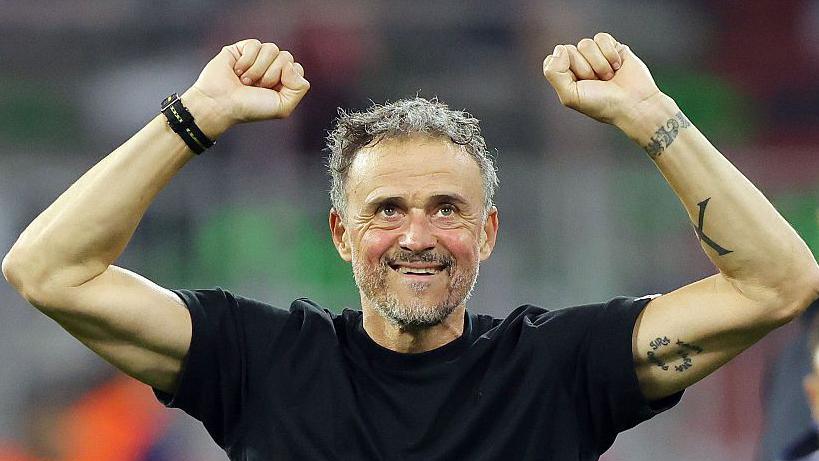
Then, the pivot. Al-Khelaifi killed the bling era. The question shifted from "How do we win?" to "Who are we?" The answer: attacking football, French heart, collective discipline. Enter Luis Enrique. He didn't just bring tactics; he brought order. The ultras, banned since a tragic fan death, returned in 2016, reigniting the Parc des Princes. Now, the team isn't a collection of divas; it's a machine. Saturday, they face Arsenal in the Champions League final. No more contract clauses dictating tactics. No more ego clashes. Just pure, unified football. From 13th place to title defenders, PSG didn't just change their squad — they rewrote their destiny. Can Arsenal stop this new breed of Parisian precision? The world watches.
fenerbahce were miles better this season tbh but psg actually fixed their locker room rn... honestly didn't see emery winning that kobe clash lol