



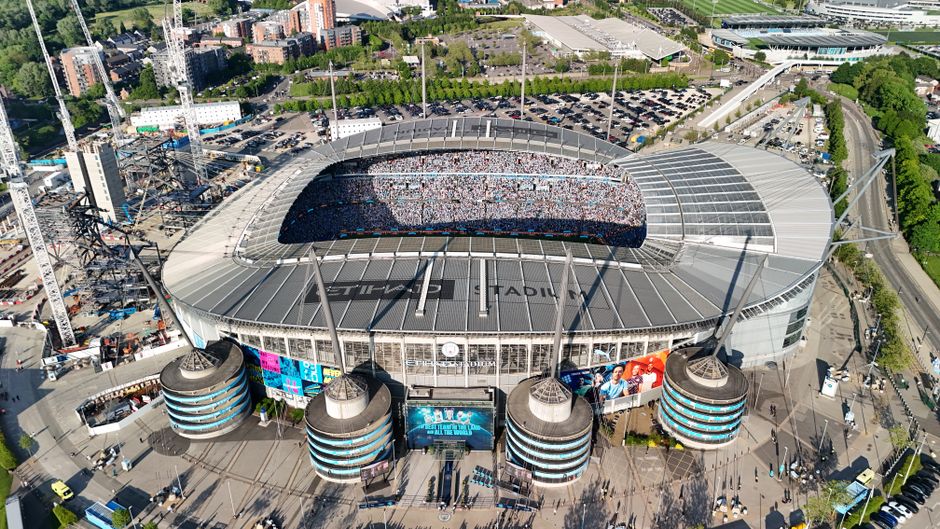
Manchester City defender Ruben Dias is poised to reject a significant transfer offer from Real Madrid, opting instead to extend his stay at the Etihad Stadium. The Portuguese center-back, widely regarded as one of the premier defenders in world football, has become a focal point of speculation this transfer window. Reports indicate that Real Madrid has made a concerted effort to sign Dias, viewing him as the ideal long-term replacement for aging defensive figures. However, Dias remains committed to Pep Guardiola's project, prioritizing the pursuit of further silverware with the English champions over a move to Spain.
This development carries significant weight for the broader European football landscape, particularly for Balkan audiences who closely follow the tactical nuances of Guardiola's system. Dias is the architectural core of a defense that has dominated the Premier League and reached the pinnacle of European competition. His decision to stay stabilizes Manchester City's squad as they look to retain their titles. For fans in the region, where tactical discipline and defensive solidity are highly valued, Dias represents the modern standard of the ball-playing defender. His continued presence at City ensures the tactical identity remains intact, offering a model of consistency in an era of frequent roster churn.
The Real Madrid Pursuit and Strategic Timing
Real Madrid's interest in Ruben Dias stems from a pressing need to rejuvenate their central defense. The Spanish giants have long monitored Dias, recognizing his ability to read the game, his composure under pressure, and his proficiency in initiating attacks from the back. With the current defensive lineup facing questions regarding longevity and peak performance, Madrid viewed Dias as a transformative signing. The club reportedly prepared a substantial offer, leveraging the allure of La Liga prestige and the potential to play alongside elite midfielders like Jude Bellingham and Vinicius Jr.
However, the timing of the approach may have worked against Madrid. Manchester City is in a phase of sustained dominance, having secured multiple Premier League titles and a UEFA Champions League trophy under Guardiola. For a player of Dias' caliber, the opportunity to continue winning at the highest level is a powerful motivator. Furthermore, the cultural and tactical fit at the Etihad is seamless. Dias thrives in Guardiola's possession-based system, where defenders are required to be comfortable on the ball and capable of breaking lines with precise passing. Moving to a different tactical environment carries inherent risks, and Dias has chosen to mitigate those risks by staying put.
The rejection also signals a shift in transfer market dynamics. Top-tier defenders are increasingly reluctant to move unless their current club is in decline or they are seeking a new challenge after a period of stagnation. Dias' case illustrates that loyalty to a successful project can outweigh the financial and prestige incentives offered by rival superclubs. This trend is likely to influence future negotiations across Europe, with clubs needing to offer more than just money to lure established stars away from winning teams.
Guardiola's Architect and the Balkan Tactical Connection
Pep Guardiola's influence on modern football is profound, and his methods are studied extensively by coaches and analysts across the Balkans. The Croatian national team, for instance, has evolved its defensive approach in recent years, emphasizing ball retention and positional play—principles that Guardiola perfected at City. Ruben Dias is the embodiment of these principles. His ability to step out of the defensive line, press opponents, and distribute the ball with accuracy makes him a critical component of City's game plan. For Balkan coaches, Dias serves as a benchmark for how central defenders should operate in contemporary football.
The connection between Dias and the Balkan football community extends beyond tactics. The region has produced numerous defenders who have thrived in Europe's top leagues, from Virgil van Dijk (though Dutch, his style resonates) to players like Dejan Lovren and Mario Mandzukic in their defensive phases. Dias' career trajectory offers valuable insights for young Balkan defenders aiming for the elite level. His discipline, consistency, and ability to perform in high-stakes matches provide a roadmap for success. Moreover, his Portuguese heritage adds another layer of relevance, as Portugal has a strong historical link with Balkan football through player exchanges and coaching influences.
Guardiola's continued reliance on Dias underscores the importance of stability in a high-pressure environment. The manager has built a system where every player has a specific role, and Dias is central to that structure. Disrupting this core would require a significant adjustment period, something neither Guardiola nor the club is willing to risk. For Balkan fans who appreciate tactical coherence, Dias' decision to stay is a validation of the idea that a well-oiled machine is harder to replace than any individual star. It reinforces the notion that team chemistry and shared understanding are as valuable as individual talent.
What This Means for the Premier League and Beyond
Ruben Dias' commitment to Manchester City has immediate implications for the Premier League title race and the upcoming UEFA Champions League campaign. With their defensive core intact, City remains the favorite to challenge for domestic and European honors. Competitors like Arsenal, Liverpool, and Manchester United will need to find ways to break down a defense that is both organized and technically gifted. The absence of Dias in the transfer market also relieves pressure on other clubs to secure a top-tier center-back, potentially freeing up resources for other areas of need.
For Real Madrid, the setback is notable but not catastrophic. The club has a history of adapting to transfer market realities and will likely pivot to alternative targets. This could involve promoting youth academy prospects or targeting other established defenders. The pursuit of Dias highlighted Madrid's ambition to maintain their status as a global football powerhouse, but it also revealed the limitations of chasing players who are content in their current environments. Madrid's next moves will be watched closely, especially as they look to balance squad renewal with immediate competitiveness.
Looking ahead, the focus shifts to how Manchester City integrates Dias into their long-term planning. With a new contract likely on the horizon, Dias will remain a key figure for years to come. His leadership on and off the pitch will be essential as younger players like Manuel Akanji and Josko Gvardiol develop within the system. For Balkan audiences, the story of Ruben Dias is one of professional maturity and tactical excellence. It reminds us that in football, as in life, staying true to a winning path can be the most strategic decision of all. Fans should watch how City navigates the next season, with Dias anchoring a defense that continues to set the standard for excellence in European football.
Comments