


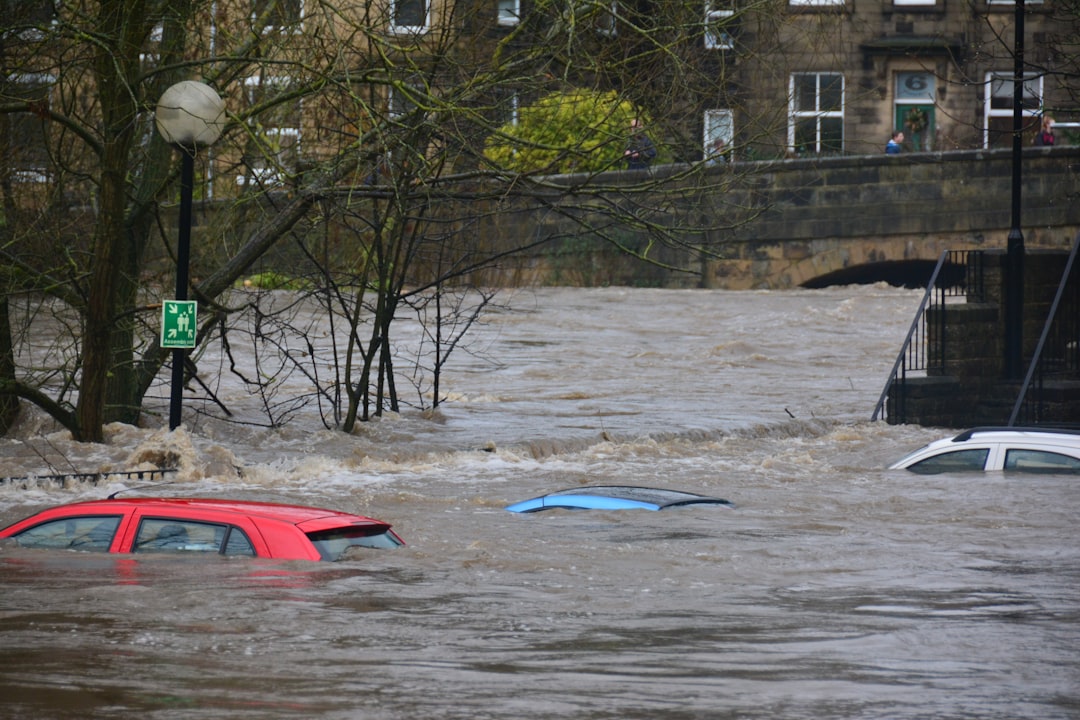
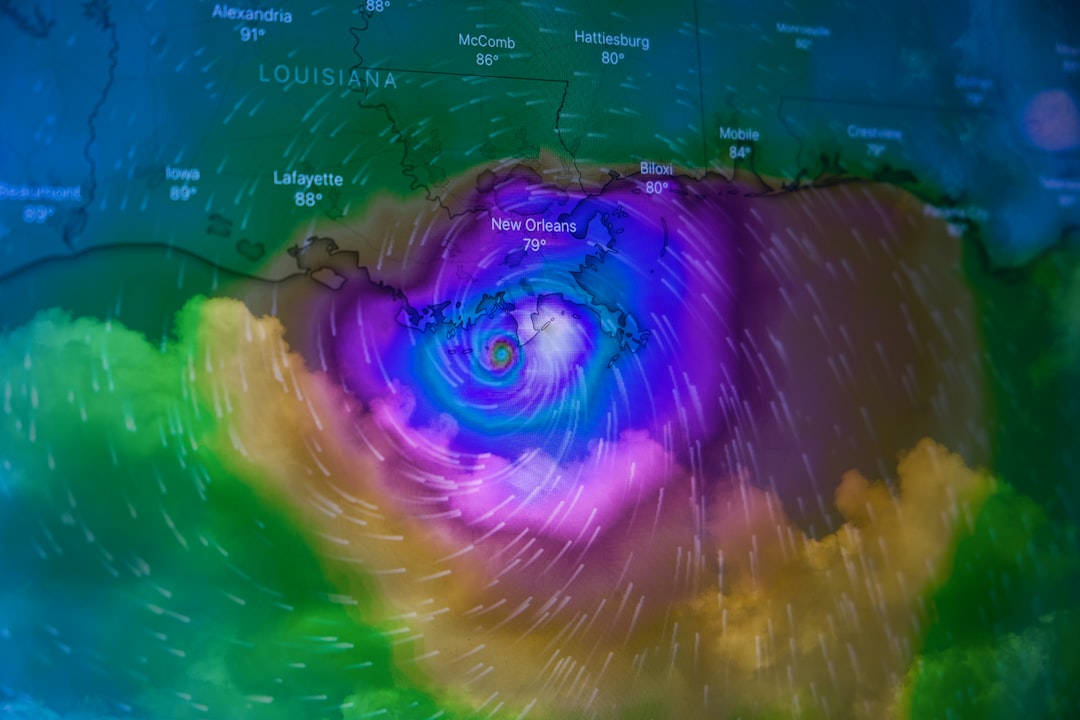
A severe flood watch has been issued along the Texas coast as heavy rains batter the region ahead of the potential development of Tropical Cyclone One. Meteorologists warn that this early-season storm activity is part of a broader, troubling trend of extreme weather events that are increasingly common due to shifting climate patterns. While the immediate impact is felt in the United States, the phenomenon resonates across the Balkans and globally, where communities are grappling with similar vulnerabilities to flash flooding and intense precipitation. The situation underscores the urgent need for improved infrastructure and disaster preparedness in regions prone to such climatic volatility.
The National Weather Service has highlighted the risk of life-threatening flash flooding as saturated soils in Texas struggle to absorb the relentless rainfall. This event marks a significant shift in the typical hurricane season timeline, which usually gains momentum in mid-summer. The early arrival of such a powerful system suggests that atmospheric conditions are becoming more conducive to rapid storm intensification. For residents in coastal areas, the flood watch serves as a critical alert to prepare for potential evacuations and property damage. The economic implications are also substantial, as infrastructure strain and agricultural losses mount in the face of these unpredictable weather patterns.

Global Context and Climate Connections
The Texas flooding is not an isolated incident but rather a symptom of larger climatic shifts. According to recent reports, heavy rains are slamming the coast as part of a complex interaction between warm ocean temperatures and atmospheric instability. This pattern mirrors events seen in other parts of the world, including the Great Balkan Flooding of 2023, which devastated parts of Greece, Bulgaria, and North Macedonia. In those instances, prolonged rainfall led to catastrophic river overflows, displacing thousands and causing billions in damages. The parallel between these events highlights the shared vulnerability of coastal and riverine regions to extreme precipitation.
Scientists note that warmer air holds more moisture, leading to more intense rainfall events when storms form. This thermodynamic principle is driving the severity of the current flood watch in Texas and similar alerts issued in other parts of the globe. The climate change narrative is increasingly supported by such real-time data, showing that traditional weather models are being challenged by more frequent and severe outliers. For policymakers, this means that historical data alone is no longer sufficient for planning infrastructure resilience. New standards for drainage systems, levees, and emergency response protocols are required to mitigate the growing risks associated with these powerful weather systems.
Implications for the Balkans and Regional Preparedness
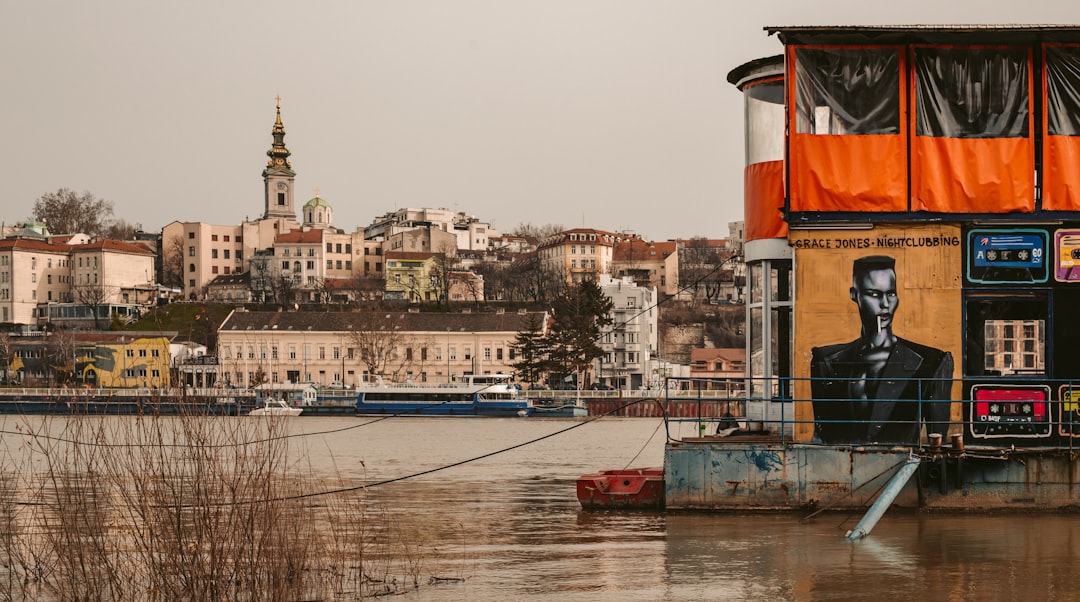
While the current flood watch is focused on Texas, the implications for the Balkan Peninsula are significant. The region, with its complex topography and dense river networks, is particularly susceptible to flash flooding. Countries like Serbia, Bulgaria, and Greece have invested heavily in early warning systems following recent disasters. However, the increasing frequency of such events tests the limits of these systems. The Texas situation serves as a reminder that global weather patterns are interconnected, and extreme events in one region can signal broader atmospheric instability that may affect others.
Regional cooperation is essential for managing these risks. The Hydrographic Centre of the Balkans plays a key role in monitoring water levels and issuing warnings across national borders. As storm systems become more unpredictable, the need for real-time data sharing and coordinated response efforts grows. The lessons learned from the Texas floods, such as the importance of rapid evacuation protocols and community awareness campaigns, are directly applicable to Balkan nations. By studying these events, regional authorities can refine their strategies to better protect lives and livelihoods against the growing threat of extreme flooding.
Future Outlook and What to Watch
As the flood watch remains in effect for the Texas coast, meteorologists are closely monitoring the development of Tropical Cyclone One. If the system intensifies, it could bring additional rainfall and wind to the region, exacerbating the flooding risks. For the global community, this event is a stark reminder of the urgent need to address the root causes of climate instability. In the Balkans, the focus remains on strengthening infrastructure and enhancing cross-border cooperation to mitigate the impacts of future floods. The coming months will be critical in determining how well these regions can adapt to the new normal of extreme weather.
Residents in affected areas are advised to stay informed through official channels and follow evacuation orders if issued. The situation in Texas highlights the importance of individual preparedness, including having emergency kits ready and knowing safe routes away from flood-prone areas. As the climate crisis continues to evolve, the ability to respond effectively to such events will be a defining challenge for governments and communities worldwide. The flood watch serves as both a warning and a call to action, urging all stakeholders to prioritize resilience and adaptation in the face of an uncertain future.



Comments