


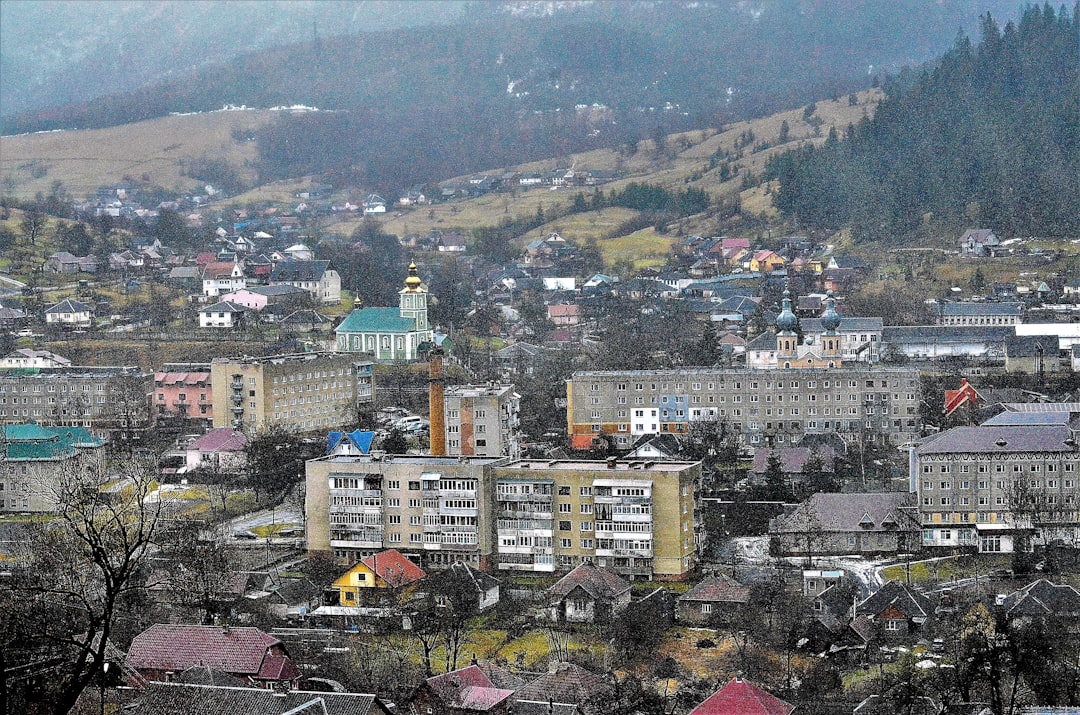
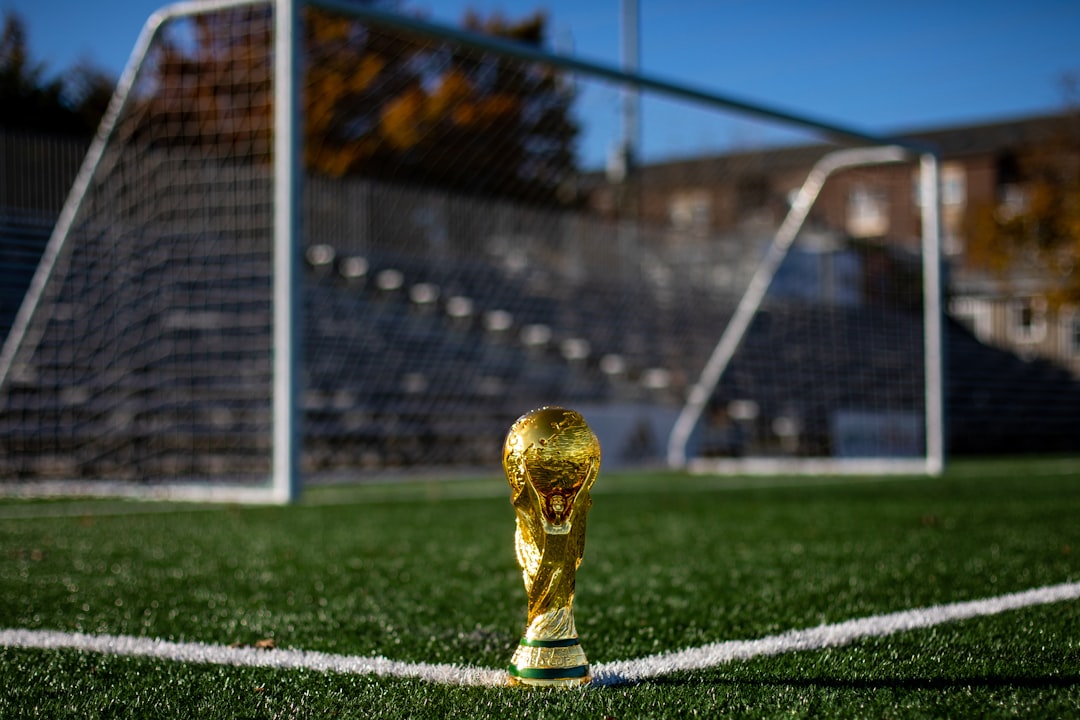
The FIFA World Cup 2026 officially begins its qualification cycle, marking a pivotal moment for football across the Balkans. With the tournament expanding to 48 teams for the first time in history, the path to the United States, Canada, and Mexico is significantly wider than in previous editions. For national associations in Greece, Serbia, Croatia, Romania, Bulgaria, and North Macedonia, this expansion represents a tangible opportunity to reach the global stage. The qualifying process, administered by UEFA, promises intense competition, but the mathematical probability of advancement has shifted, raising hopes among fans and pundits alike.
The initial draws and scheduling of the European qualifiers have already generated substantial interest. The Balkan region, traditionally a powerhouse in European football, faces a mix of familiar rivals and new challenges. The expansion means that several teams that previously fell just short of qualification now have a realistic pathway to the finals. This structural change by FIFA aims to increase global participation and revenue, but for local supporters, it translates to the dream of seeing their national teams compete on the world's biggest stage once again.
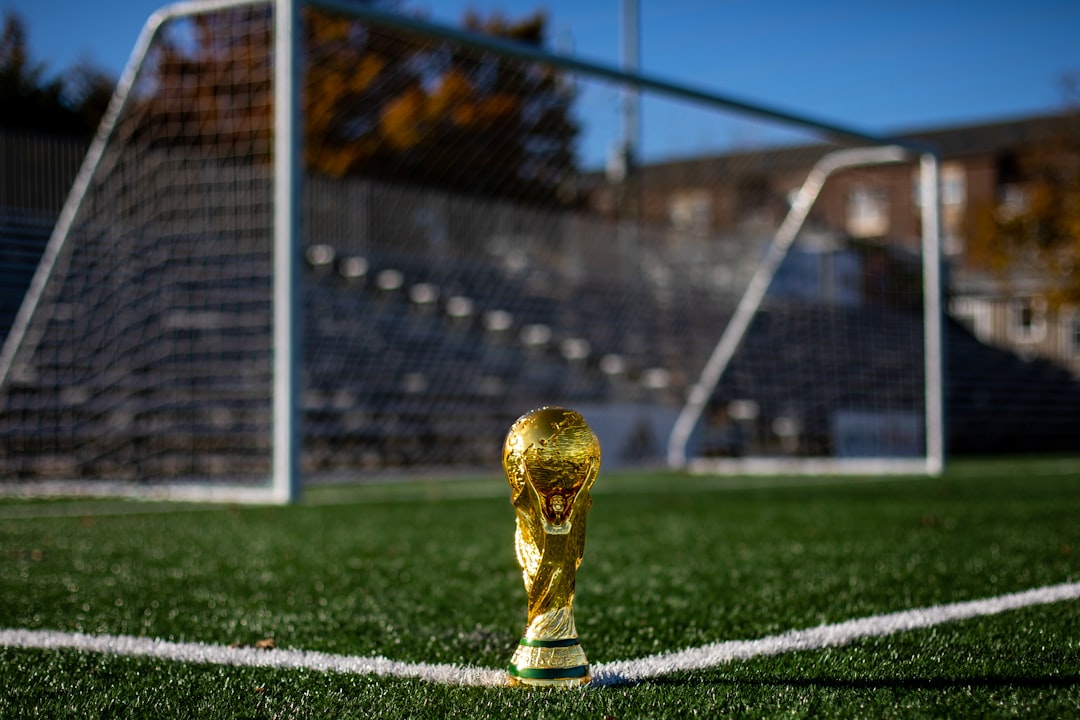
The New Format and European Qualification
The European qualifying format for the 2026 World Cup introduces a complex structure designed to accommodate the increased number of slots. UEFA has drawn 55 member associations into 12 groups, with varying numbers of teams. The winners of each group will secure direct qualification, while the top runners-up will also advance. This leaves a significant number of remaining spots to be decided through a UEFA Nations League playoff pathway. This integration of the Nations League, introduced by UEFA to replace friendlies with meaningful competitive fixtures, adds another layer of strategic importance to every match.
For Balkan nations, the group stage draws are critical. A favorable draw can ease the burden of away games against top-tier opponents, while a "group of death" can derail qualification hopes early. The expanded format reduces the penalty for a single poor result compared to the 32-team era, but it also means that consistency is still paramount. Teams must navigate a longer schedule, balancing domestic league commitments with international duty. The qualification process will test squad depth and managerial tactics more than ever before.
The playoff system, which will determine the final European qualifiers, relies on Nations League performance. This rewards teams that perform well in secondary competitions, giving nations like North Macedonia and Montenegro a viable route even if they finish second or third in their qualifying groups. This structural shift is particularly relevant for smaller Balkan associations that have historically struggled to break into the top tier of European football but have shown improvement in recent years.
Balkan Powerhouses and Rising Contenders
Croatia, the 2018 World Cup runner-up, remains the strongest contender from the region. With a core of experienced players and a tactical identity under their coaching staff, the Croatian national team is expected to secure a top spot in their group. Their experience in high-pressure tournaments gives them a psychological edge over rivals. The challenge for Croatia will be maintaining peak performance levels while integrating younger talents into the squad. Fans in Zagreb and across the country expect nothing less than automatic qualification.
Serbia possesses one of the deepest talent pools in Europe. With players featuring for top clubs in the Premier League, La Liga, and the Bundesliga, the Serbian national team has the individual quality to dominate any group. However, translating individual talent into consistent team performance has been a historical hurdle. The 2026 cycle offers a chance to rectify past disappointments. The Serbian Football Association faces the task of fostering cohesion and tactical discipline to maximize their potential.
Greece, Romania, and Bulgaria are also key players in the regional landscape. Greece, under recent managerial changes, seeks to rebuild its defensive solidity and counter-attacking threat. Romania has been developing a new generation of players, aiming to replicate their historical success. Bulgaria, after a long period of rebuilding, looks to stabilize its results and climb the UEFA rankings. For these nations, the expanded World Cup format is a lifeline, offering a realistic chance to return to the global spotlight after years of absence.
Impact on Fans and Football Culture
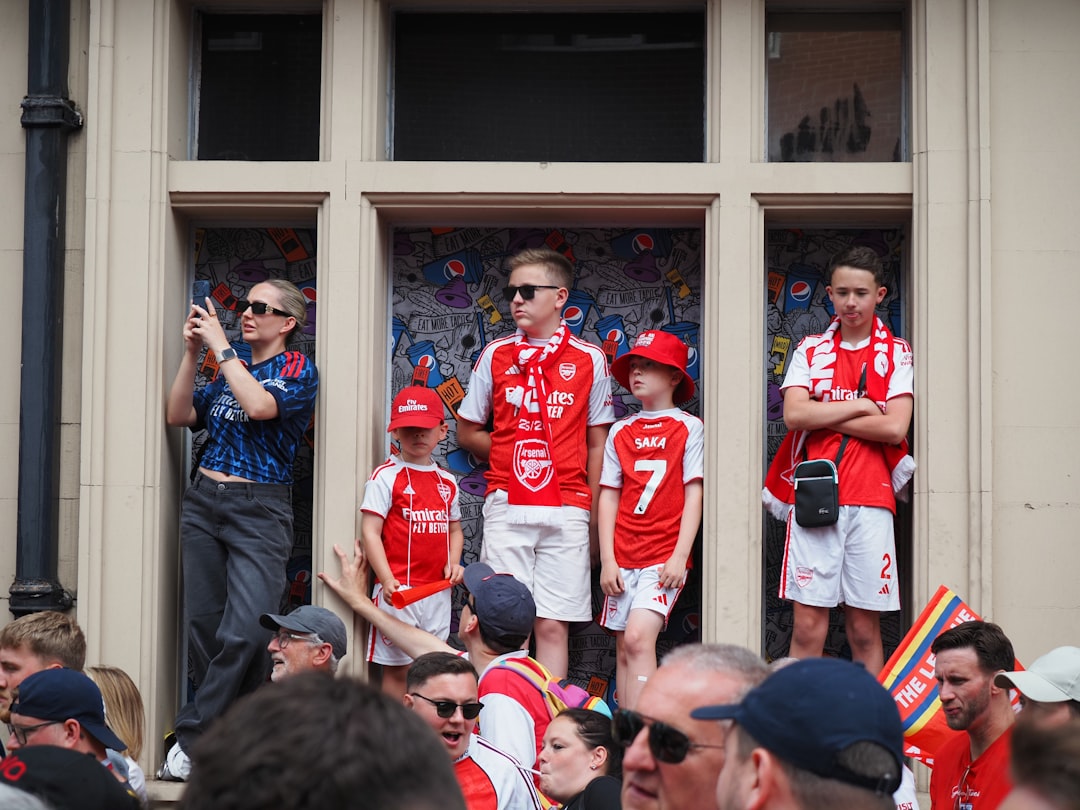
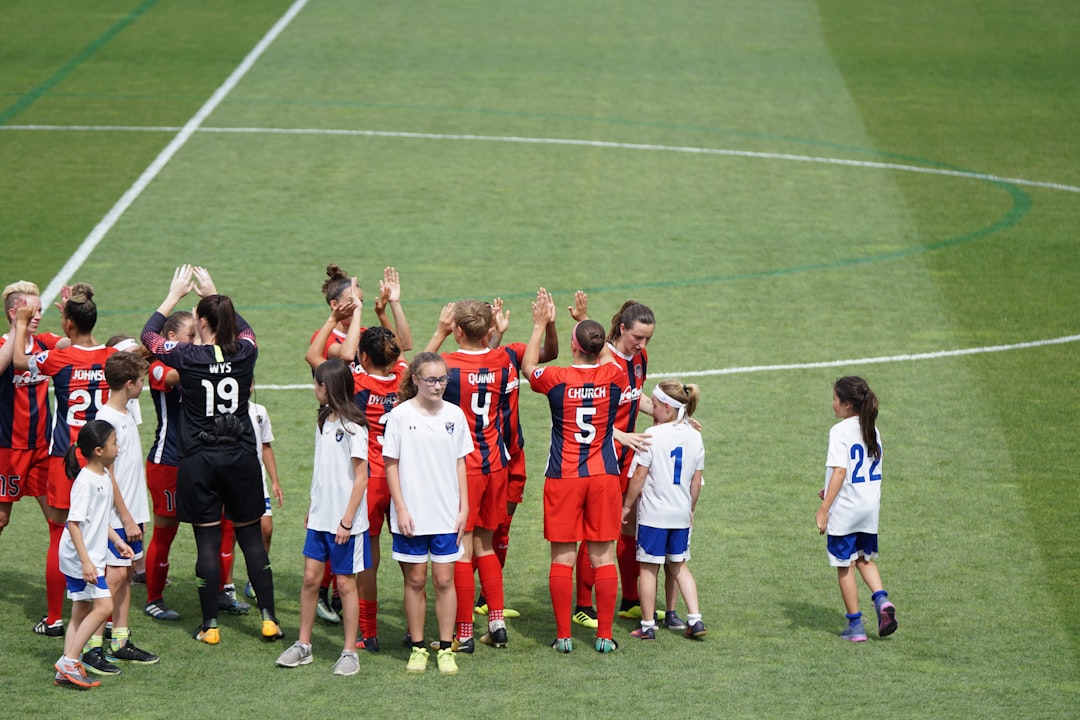
The excitement surrounding the 2026 qualifiers extends beyond the pitch. In Balkan cities, football is deeply intertwined with social and cultural identity. The prospect of World Cup qualification sparks renewed interest in youth academies, local clubs, and national team support. Merchandise sales, stadium attendance, and television viewership are expected to surge as the qualifying campaign progresses. For fans in Belgrade, Athens, Bucharest, and Zagreb, every match is a collective emotional experience, reinforcing community bonds and national pride.
The economic impact is also significant. Broadcast rights, sponsorship deals, and tourism related to away matches contribute to the local economies. Clubs in the Balkans benefit from increased visibility as their players feature in international fixtures. The global expansion of the World Cup also means that Balkan players will have more opportunities to showcase their skills to international scouts and fans, potentially increasing transfer values and career prospects.
As the qualification journey begins, the focus remains on performance and results. The path to the 2026 World Cup will be fraught with challenges, but the expanded format offers hope and opportunity for all Balkan nations. Fans will be watching closely, eager to see their teams rise to the occasion. The coming months will reveal which nations have the depth, talent, and resilience to secure their place in the world's most prestigious football tournament. The stage is set for a thrilling and competitive cycle that could redefine the region's standing in global football.
Comments