


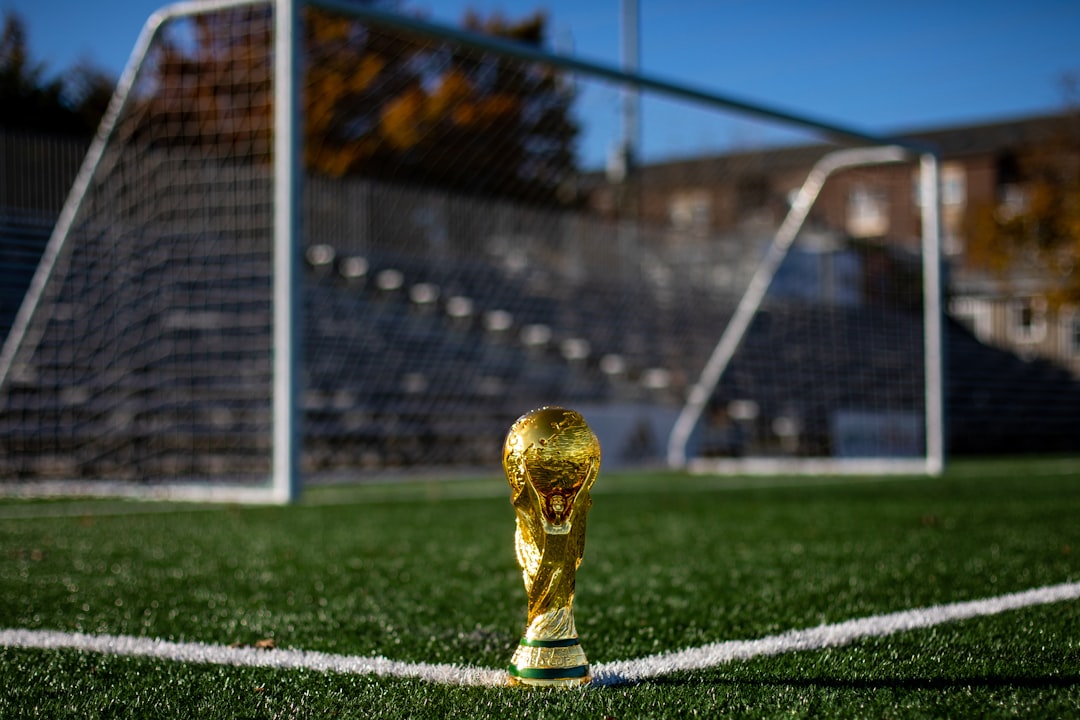
FIFA President Gianni Infantino has unveiled a comprehensive suite of administrative and structural reforms designed to stabilize the global governing body ahead of the significantly expanded 2026 World Cup in North America. The announcement, made during a high-profile press conference in Zurich, addresses long-standing concerns regarding financial transparency, member association governance, and the equitable distribution of tournament revenues. This development has triggered intense discussion across the Balkan football landscape, where national federations in Serbia, Croatia, and Bulgaria are closely monitoring how these new rules will impact their funding streams and competitive positioning in the post-pandemic era.
The reforms come at a critical juncture for world football. With the World Cup expanding from 32 to 48 teams, the influx of new participants raises questions about competitive integrity and logistical feasibility. Infantino’s proposed changes aim to streamline decision-making processes within the FIFA Council and introduce stricter financial fair play mechanisms for member associations. For Balkan nations, which have historically produced elite talent and competitive national teams despite smaller domestic markets, these structural shifts could redefine their strategic approach to player development and international scheduling.
Structural Overhaul and Financial Transparency
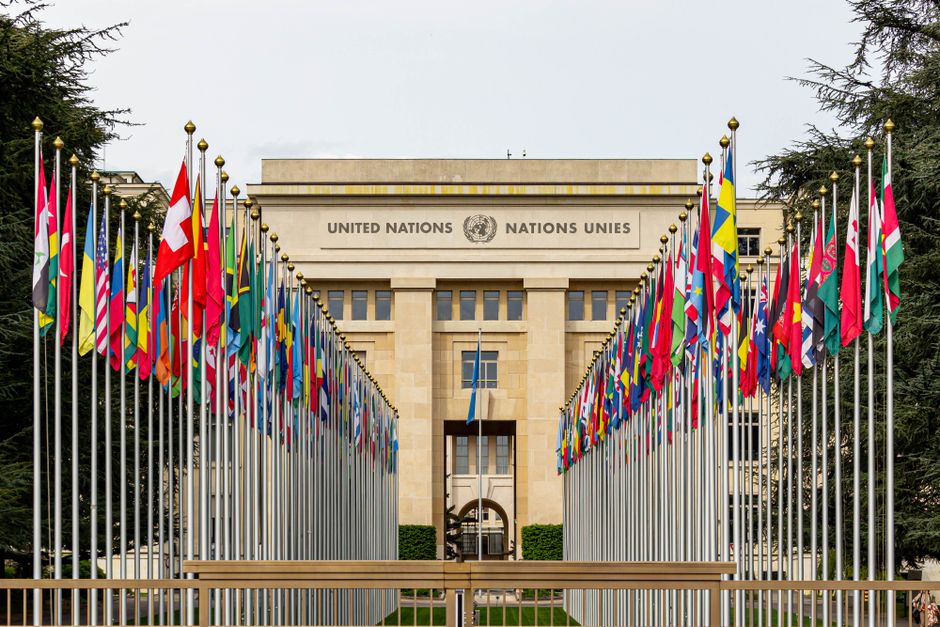
At the heart of Infantino’s proposal is a revised framework for financial accountability that mandates stricter auditing of national federation expenditures. The new guidelines require member associations to demonstrate sustainable revenue models and limit excessive spending on non-competitive activities. This measure is intended to prevent financial crises similar to those recently experienced by several European federations, ensuring that resources are prioritized for grassroots development, infrastructure, and senior team operations. The FIFA Council has agreed to implement these standards gradually, with full compliance required by 2025.
Furthermore, the reforms include a restructured revenue-sharing model that seeks to balance the financial interests of traditional football powerhouses with emerging nations. While the exact percentages remain under deliberation, the goal is to provide greater stability to smaller federations that often struggle with limited sponsorship opportunities. This aspect is particularly relevant for Balkan countries, where national teams rely heavily on FIFA and UEFA distributions to fund their programs. The proposed changes aim to create a more equitable ecosystem, reducing the financial disparity that often hinders competitive balance in international tournaments.
Critics, however, argue that the new regulations may impose undue bureaucratic burdens on smaller associations. Some Balkan federation officials have expressed concern that increased compliance costs could divert funds away from youth academies and coaching education. Infantino has acknowledged these concerns, promising that FIFA will provide technical assistance to help member associations adapt to the new requirements without compromising their developmental goals. The success of these reforms will largely depend on FIFA’s ability to support its members during the transition period.

Impact on Balkan Football and the 2026 Qualifiers
The expansion of the World Cup to 48 teams offers a unique opportunity for Balkan nations, which have historically faced stiff competition in UEFA qualifiers. With more slots available, countries like Serbia, Croatia, Bulgaria, and Romania have a higher probability of securing a place in the final tournament. This increased accessibility is expected to boost domestic interest and commercial revenue for national federations, providing much-needed investment for long-term growth. The upcoming qualification cycle for the 2026 World Cup will serve as the first major test of this expanded format, with Balkan teams eager to capitalize on the additional opportunities.
However, the competitive dynamics within UEFA remain complex. The introduction of new seeding mechanisms and group structures in the qualifiers requires Balkan teams to adapt their tactical and strategic approaches. National coaches are already analyzing the new format to optimize squad selection and match preparation. The presence of top-tier clubs in the region, such as Crvena Zvezda, Partizan, and Dinamo Zagreb, continues to provide a pipeline of talent for national teams, but the increased physical demands of the expanded World Cup format may necessitate changes in player management and rotation policies.
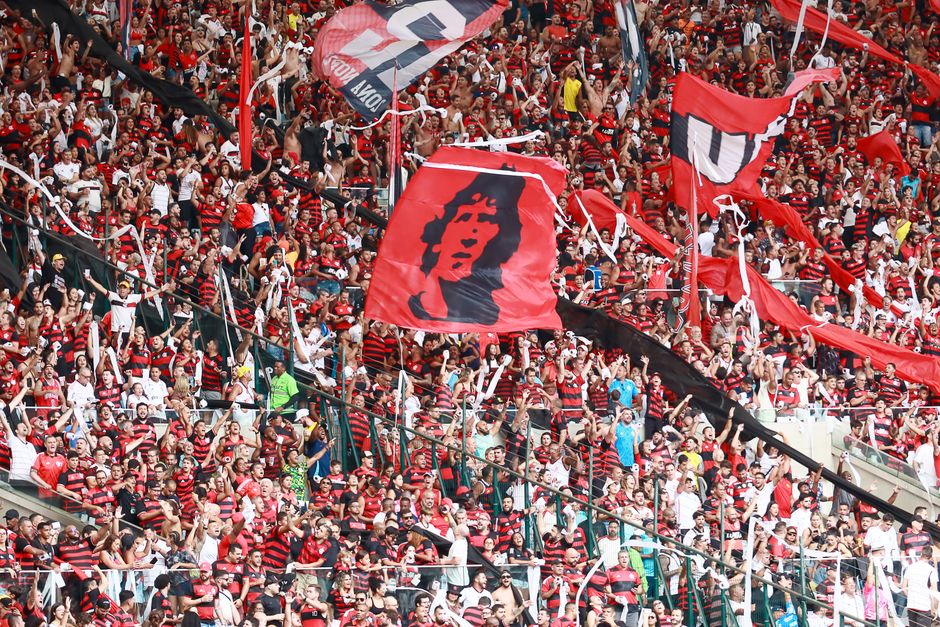
Balkan football fans are closely watching these developments, recognizing that the 2026 World Cup could be a defining moment for the region’s international standing. The success of Balkan teams in the qualifiers will not only impact their World Cup prospects but also influence FIFA’s perception of the region’s competitive viability. Infantino’s reforms aim to create a level playing field, but the ultimate outcome will depend on the ability of Balkan federations to navigate the new regulatory landscape while maintaining their competitive edge. The coming months will be critical in determining how these structural changes reshape the future of football in the Balkans.
Looking Ahead: The Road to 2026
As FIFA finalizes the details of its reform agenda, the focus shifts to the practical implementation of these changes across member associations. The 2026 World Cup in the United States, Canada, and Mexico represents a historic milestone for global football, and Balkan nations are determined to be part of this narrative. The upcoming UEFA Nations League and World Cup qualifiers will serve as crucial benchmarks for national teams, testing their readiness for the expanded tournament format. Fans and analysts alike are anticipating a highly competitive qualification process, with every match carrying significant weight for the region’s footballing ambitions.
The success of Infantino’s reforms will be judged not only by financial metrics but also by the competitive performance of national teams on the world stage. For Balkan football, this means maximizing the opportunities provided by the expanded World Cup while addressing the challenges posed by new regulatory requirements. The region’s rich footballing heritage, combined with its growing commercial potential, positions it well to thrive in this new era. As the countdown to 2026 begins, the focus remains on preparation, adaptation, and the relentless pursuit of excellence on the pitch.
Stakeholders across the Balkans are urged to monitor FIFA’s official communications for detailed updates on compliance deadlines and funding mechanisms. The coming year will be pivotal in shaping the region’s footballing future, with the 2026 World Cup serving as both a reward for past achievements and a catalyst for future growth. For fans, players, and officials, the message is clear: the landscape of international football is changing, and adaptability will be the key to success in the years to come.
Comments