


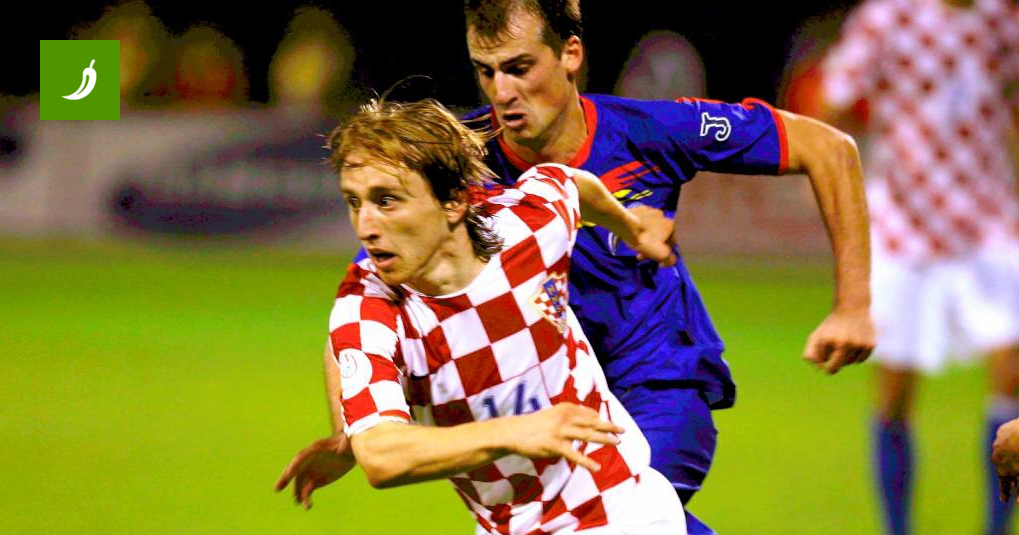
FIFA has turned the clock back two decades. The occasion? The moment Luka Modrić stepped onto the biggest stage in football, replacing Nika Kranjčár in the 78th minute against Japan. The score was 0-0. The year was 2006. The location: Germany. At just 20 years old, Modrić was a glimpse of lightning in a cloudy sky. Back then, it was just a substitution. Today, it is a pilgrimage site for Croatian football fans.
From Bench Warmer to Ballon d'Or
That 2006 World Cup was a harsh teacher. Croatia exited in the group stage, beaten by Brazil, Australia, and Japan. Modrić played two matches. The world barely noticed. Fast forward to 2014 in Brazil, and the pattern repeated. Another group stage exit. The critics were loud. The pressure was mounting. But greatness is not built in a day. It is forged in silence.
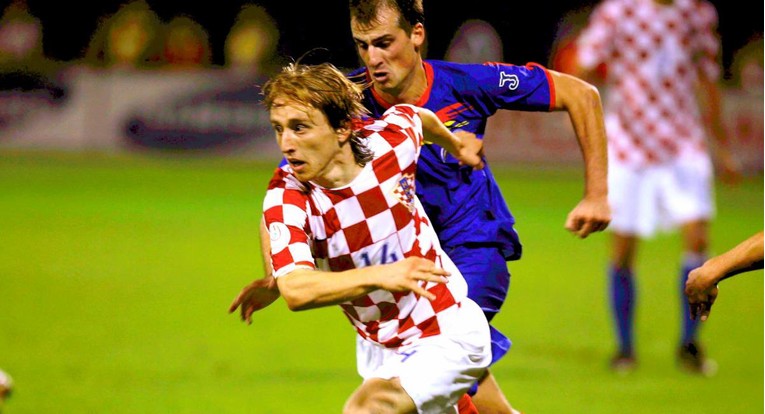
Then came Russia 2018. The narrative flipped. Modrić, now captain, led Croatia national football team to the final. It was the greatest achievement in the nation's football history. They fell to France 4-2 in a shootout, but Modrić rose. He won the Golden Ball, becoming the first Croatian to claim the award. The boy who came off the bench in Germany was now the king of the tournament.
A Legacy Etched in Silver and Bronze
Four years later, in Qatar 2022, he did it again. Under Zlatko Dalić, Modrić guided Croatia to third place, defeating Morocco. He has now played in four World Cups: 2006, 2014, 2018, and 2022. With 19 matches, he holds the record for most World Cup appearances. FIFA’s tribute highlights a journey few predicted. In 2006, no one imagined this young midfielder would still be the face of the team nearly 20 years later. His longevity is not just statistical. It is poetic. He is the heartbeat of a nation that refused to quit.

fenerbahce were miles better this season tbh