


The Pitch That Shocked the Samurai
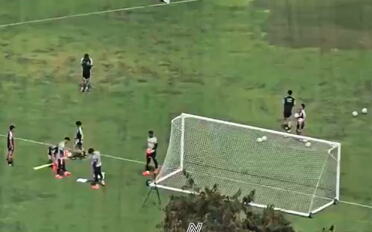
Imagine arriving at the biggest stage in football, ready to conquer the world, only to find your training ground looks like a war zone. That was the nightmare scenario facing the Japan national football team just days before the World Cup kicked off in Mexico. The Japanese delegation, known for their precision and discipline, arrived in Monterrey expecting FIFA-standard facilities. Instead, they found a disaster.
The assigned training pitch was reportedly in such poor condition that it was deemed completely unplayable. We are not talking about a few patches of mud here. We are talking about a surface so damaged that Hajime Moriyasu, the head coach, made the immediate call: no training. Not a single minute. The risk of injury on such terrain was simply too high for a team that had already proven they could topple giants like Germany and Spain in previous tournaments.
FIFA Scrambles to Fix the Mess
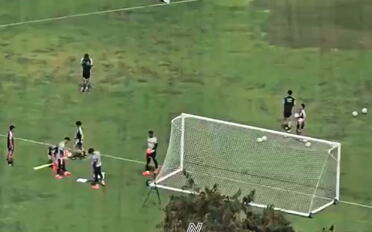
The reaction from the Japanese camp was swift and furious. They filed an official protest with FIFA, arguing that the conditions were unacceptable for a national team of their stature. Reports suggested the situation was so dire that Japan might have refused to use the camp entirely if a solution wasn't found immediately. This was a massive headache for the organizers, who were desperate to avoid a scandal overshadowing the opening matches.
Fortunately, the crisis was averted through rapid intervention. FIFA arranged for the team to relocate to the facilities at the Autonomous University of Nuevo León (UANL). These grounds were inspected and confirmed to be world-class, meeting all the rigorous standards required by the Asian powerhouses. The new location also offered a logistical bonus, being significantly closer to the team hotel, thus reducing travel time and stress for the players.
A Blemish on the Host's Reputation
While the problem was solved, the incident left a bitter taste. It raised serious questions about the oversight and preparation leading up to the tournament. How does a team of Japan's caliber, participating in the pinnacle of the sport, get assigned a pitch worse than some lower-league grounds? The swift resolution saved the team's preparation, but the image damage to the organizing committee was done. For the fans watching from home, it was a stark reminder that even at the highest level, logistics can sometimes fail spectacularly.


japanci o terenu baš nisu trebali da treniraju, rizik od povrede je bio ogroman. fenerbahce bi ovo proglasio kao 'normalno' 😂. ipak, brza reakcija fife je spasila situaciju, ali kakva organizacija...