


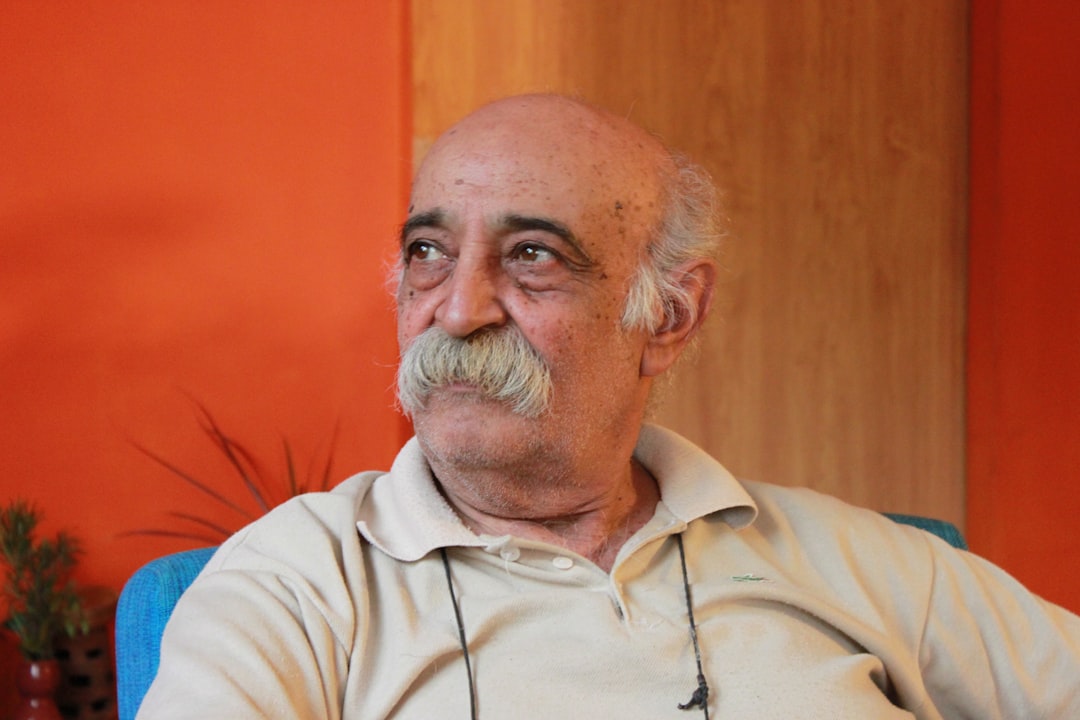
Fenerbahçe S.K., one of Turkey's most storied football clubs, has announced the passing of Koksal Özbek, a beloved figure within the club's community. The news, confirmed by the club's official channels, has sent waves of grief through the Sarı Kanaryalar (Yellow Canaries) fanbase. Özbek, whose name is synonymous with loyalty and passion for the Istanbul giant, died on June 2, 2026. While specific details regarding the cause of death have not been publicly disclosed to respect the family's privacy, the club's statement emphasized the profound sense of loss felt by everyone associated with Fenerbahçe.
The announcement quickly trended across social media platforms, with fans, former players, and current squad members paying tribute to Özbek. His death marks a somber moment in Turkish football, highlighting the deep emotional bonds that connect clubs to their supporters and alumni. For a Balkan audience, particularly those familiar with the intense football culture in the region, the outpouring of grief reflects the universal nature of football mourning, where a club is often seen as a family.
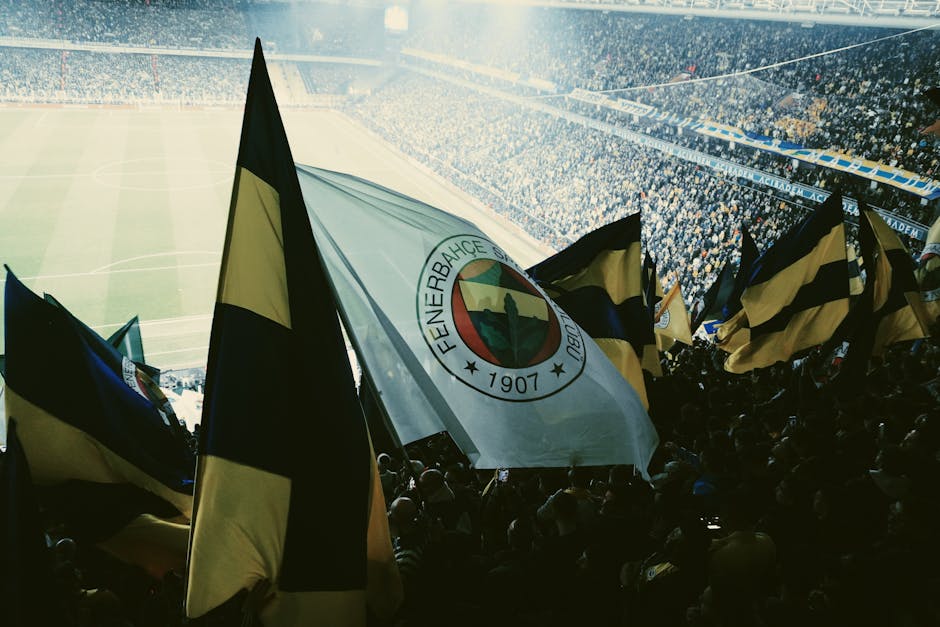
A Life Dedicated to the Yellow Canaries
Koksal Özbek was not merely a supporter; he was an integral part of Fenerbahçe's social fabric. Known for his unwavering support over decades, Özbek represented the archetype of the dedicated fan who has witnessed the highs and lows of the club's history. His presence at Süper Lig matches was a familiar sight, embodying the spirit that has driven Fenerbahçe to numerous domestic and European successes. The club's statement referred to him as a "dear member of our community," underscoring his status beyond that of a casual observer.
Fenerbahçe S.K., founded in 1907, is one of the "Big Three" clubs in Turkish football, alongside Galatasaray and Beşiktaş. The rivalry between these Istanbul giants is fierce, and the support base is deeply entrenched in the city's culture. Özbek's life mirrored the club's journey through various eras, from the dominance of the 1980s to the modern challenges of the 21st century. His passing is a reminder of the human element behind the statistics and trophies, honoring those who have contributed to the club's identity through sheer devotion.
The club's official website released a formal tribute, stating, "We have lost a dear member of our community, Koksal Özbek. Our hearts are heavy with sorrow." This message was echoed by the current squad, who took to social media to express their condolences. In Turkish football, the relationship between the team and the fans is symbiotic, and the loss of a prominent supporter is treated with the same gravity as the loss of a player or staff member.
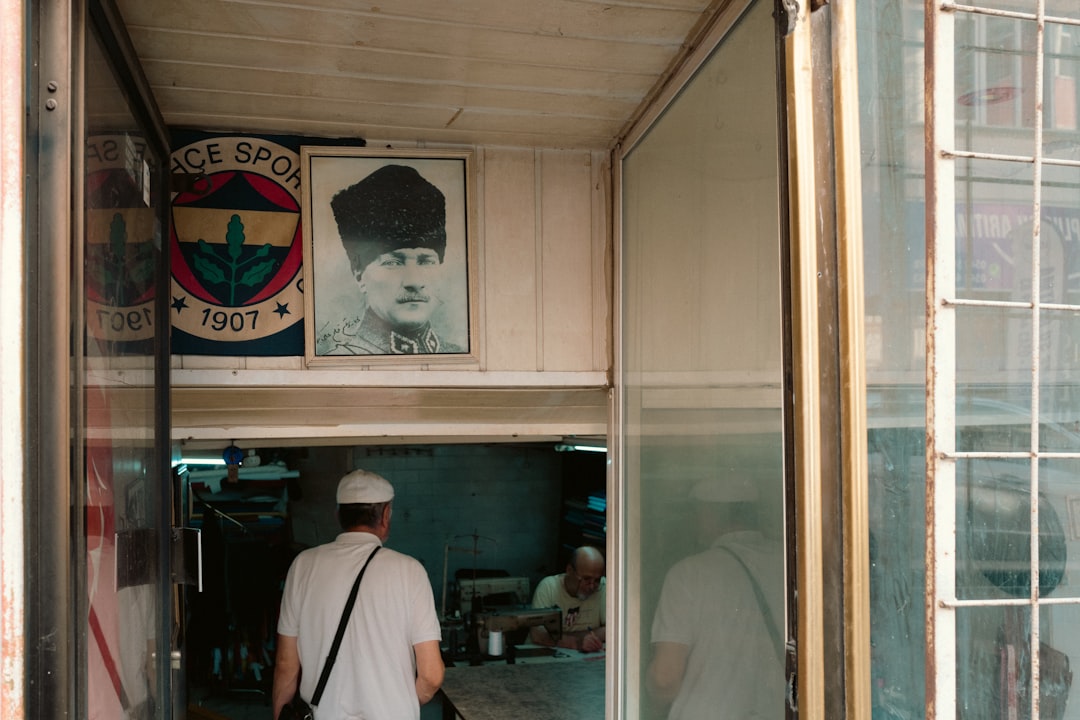
Impact on Turkish Football and the Balkan Context
The death of Koksal Özbek has resonated beyond Fenerbahçe's immediate fanbase, sparking conversations about the health and well-being of supporters in high-stress sporting environments. Turkish football is known for its passionate, sometimes volatile, fan culture, where the emotional investment in the club can be all-consuming. This context is not unfamiliar to Balkan audiences, where football clubs in Serbia, Croatia, and Bosnia also play central roles in local identity and community life. The mourning of Özbek serves as a poignant example of how deeply these institutions are woven into the social tapestry.
In the Balkans, the loss of a club legend or a devoted supporter often leads to widespread tributes from rival fans alike, showcasing a rare moment of unity in a region divided by football rivalries. Similarly, in Turkey, the passing of Özbek has prompted gestures of respect from across the football spectrum. The incident highlights the shared cultural values of respect for elders and community members who have contributed to the collective memory of the sport. It also underscores the importance of mental and physical health among fanbases, a topic gaining traction globally.
Fenerbahçe's response to Özbek's death includes plans for a memorial service, though details are still being coordinated with the family. The club has also encouraged fans to continue supporting the team as a tribute to his memory. This approach is common in football, where the continuation of support is seen as the best way to honor a deceased member of the community. The incident has also drawn attention to the broader issue of fan welfare, prompting discussions on how clubs can better support their supporters in times of personal crisis.
Looking Ahead: Honoring a Legacy
As Fenerbahçe moves forward, the legacy of Koksal Özbek will remain a part of the club's history. His story is a testament to the power of football to unite people and create lasting memories. For Balkan fans, the mourning of Özbek offers a glimpse into the emotional depth of Turkish football, a league that shares many cultural similarities with the Balkan region. The incident serves as a reminder of the human stories behind the game, reminding us that football is not just about goals and trophies, but about the people who make it meaningful.
The football world, from Istanbul to Belgrade, Zagreb, and Athens, recognizes the profound impact that dedicated supporters have on the sport. Koksal Özbek's passing is a call to reflect on the value of community and the importance of supporting those who support us. As Fenerbahçe prepares for the upcoming season, the team will carry the memory of Özbek with them, hoping to honor his legacy through their performance on the pitch. For fans across the Balkans and beyond, this moment is a shared experience of loss and remembrance, uniting us in our love for the beautiful game.
Comments