


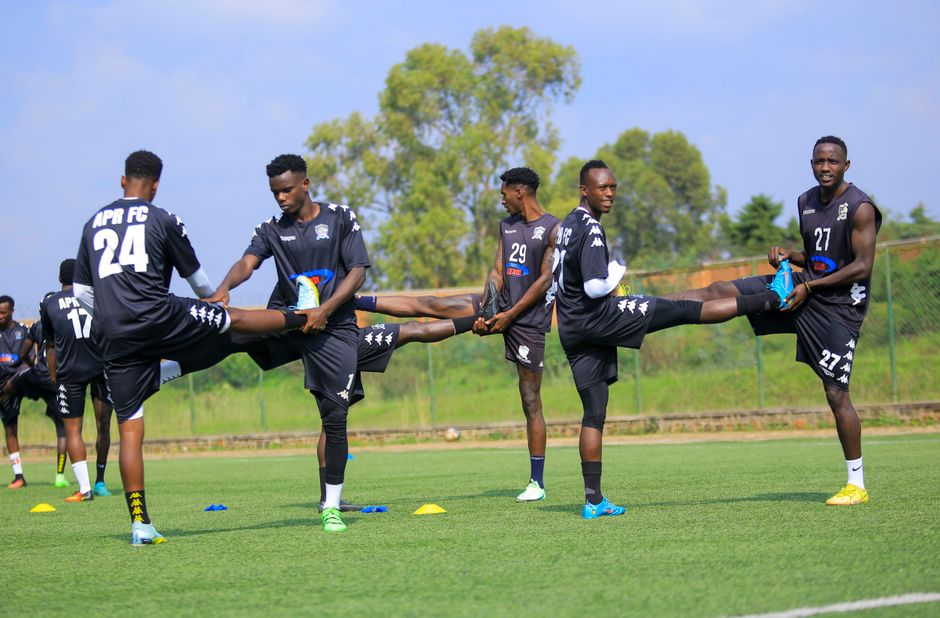
FC UTA Arad, one of Romania’s most storied and emotionally charged football clubs, has officially resumed training ahead of the new Liga I season. The announcement has sent waves of anticipation through Arad, a city in western Romania that lives and breathes for its team. For decades, UTA Arad has symbolized resilience, bouncing back from financial crises, administrative turmoil, and even dissolution. This time, the return to the pitch is more than just a routine preseason start; it represents a renewed promise to fans who have endured years of instability. The club’s reactivation signals a critical moment in Romanian football, where mid-table teams fight not only for sporting success but for survival in a league increasingly dominated by a few wealthy outfits. UTA Arad’s journey reflects the broader struggles of regional clubs across the Balkans, where passion often outpaces resources.
A Club Forged in Steel and Passion
Founded in 1945, FC UTA Arad (Universitatea Tehnică Arad) was born out of the industrial heart of western Romania. The club quickly became synonymous with the steelworkers of Arad, a city known for its heavy industry and working-class pride. UTA’s golden era came in the 1970s and 1980s, when the team won multiple Romanian Cup titles and competed in European competitions. The club’s identity is deeply tied to the local community, with fans viewing the team as a symbol of civic pride and resistance against neglect. Even during periods of financial collapse, including a brief dissolution in the late 2010s, the fanbase refused to let the club die. This unwavering support mirrors the ethos of many Balkan football clubs, where identity transcends sporting results. UTA Arad’s story is a testament to the power of community in sustaining sporting institutions.
Despite its rich history, UTA Arad has faced significant challenges in recent years. Financial mismanagement, administrative disputes, and relegation battles have tested the club’s endurance. The return to Liga I in recent seasons has been a triumph, but maintaining status remains a daunting task. The new preseason marks a fresh opportunity to rebuild both on and off the pitch. Key signings, tactical adjustments, and youth development will be critical in determining whether UTA can establish itself as a consistent mid-table contender. For a club that has known both glory and despair, stability is the ultimate goal.
The New Season: Challenges and Opportunities
The upcoming Liga I season presents both hurdles and chances for FC UTA Arad. The Romanian top flight is known for its physicality and unpredictability, with teams like FCSB, CFR Cluj, and Rapid București dominating the title race. For UTA, the primary objective is consolidation—avoiding relegation while aiming for a respectable finish. The squad has undergone changes, with new players brought in to bolster depth and experience. However, financial constraints mean that the club cannot compete in the transfer market with the league’s elite. Instead, UTA must rely on smart recruitment, tactical discipline, and home advantage at the Francisc von Neumann Stadium. The stadium, with its modest capacity but fierce atmosphere, has historically been a fortress for the team.
Internationally, the club’s prospects are limited, but domestic success could pave the way for future European qualification. Romania’s coefficient in UEFA rankings has fluctuated in recent years, affecting the number of spots available for Liga I teams. A strong performance this season could help UTA Arad not only secure its position but also contribute to Romania’s standing in European competitions. The club’s management has emphasized the importance of youth integration, with several academy players expected to feature in the first team. This approach aligns with broader trends in Balkan football, where clubs with limited budgets must develop talent from within. UTA Arad’s youth academy, though not as renowned as those of larger clubs, has produced notable players in the past and remains a vital resource.
The Balkan Connection: A Mirror of Regional Football
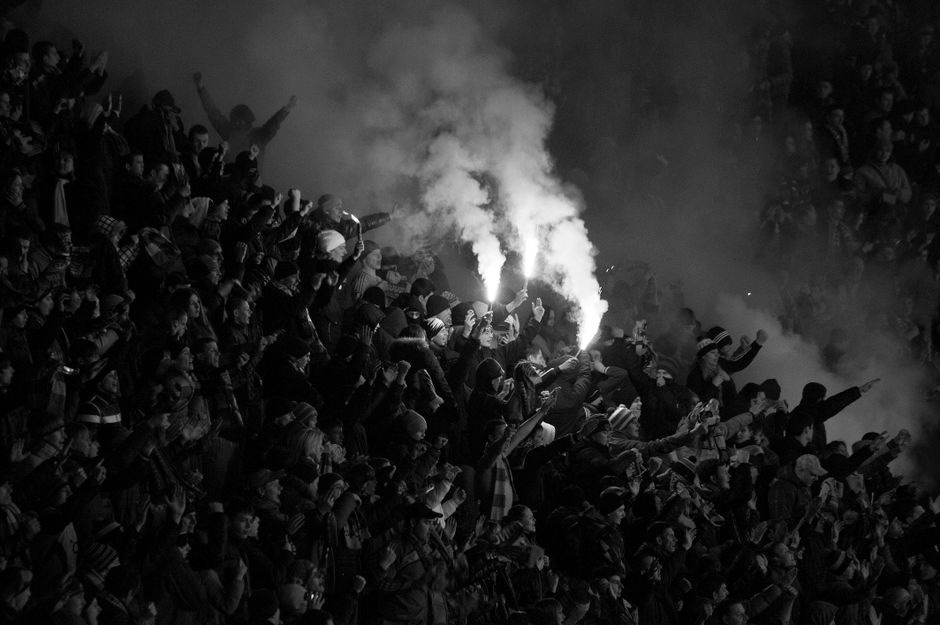
UTA Arad’s struggles and triumphs are not unique; they reflect the broader landscape of Balkan football. Clubs across the region, from Serbia’s Red Star Belgrade to Greece’s Olympiacos, have faced similar challenges of financial instability, administrative chaos, and the pressure of passionate fanbases. In the Balkans, football is more than a sport; it is a cultural institution that reflects societal values, historical narratives, and community identity. UTA Arad’s resilience in the face of adversity resonates with fans across the region, who understand the emotional weight of supporting a club that represents their city’s soul. The club’s journey also highlights the importance of governance and transparency in sports management, issues that have plagued many Balkan teams in recent years.
For international audiences, UTA Arad may not be a household name, but its story offers a glimpse into the heart of European football’s underdog narrative. The club’s ability to endure and rebuild serves as an inspiration to smaller teams across the continent. As the new season begins, all eyes will be on Arad to see whether the team can translate its passion into points on the board. The coming months will be decisive, with every match carrying the weight of expectation. For a city that has known hardship, FC UTA Arad remains a beacon of hope, a symbol of what can be achieved through unity and perseverance.
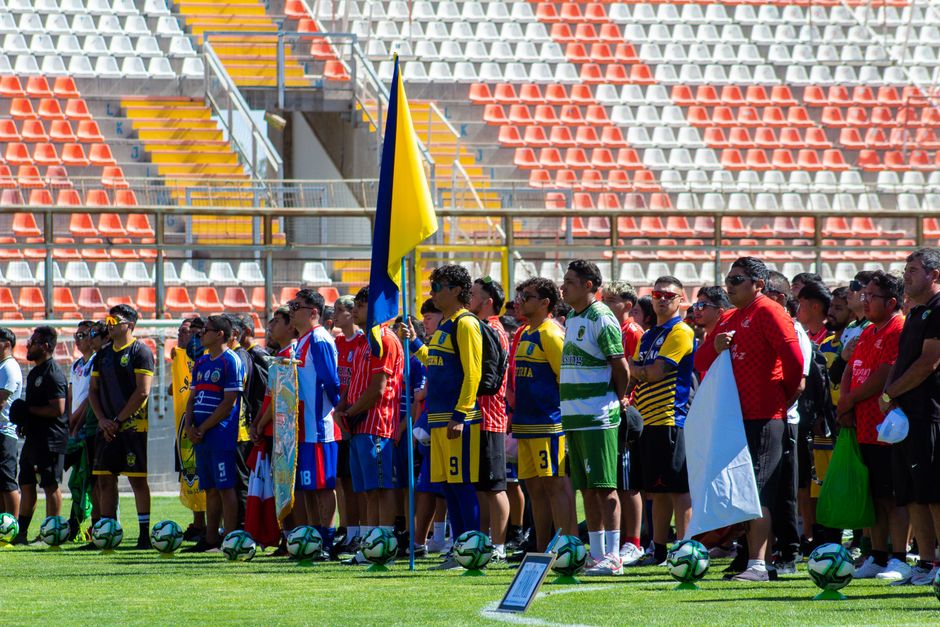
As the preseason progresses, fans and analysts alike will be watching closely for signs of progress. Key indicators include the team’s form in friendly matches, the integration of new signings, and the development of young talents. The first few weeks of the Liga I season will be critical, with early results shaping the team’s momentum. For UTA Arad, the goal is not just survival but growth—building a sustainable model that can withstand the pressures of modern football. In a region where football clubs are often seen as extensions of their communities, UTA Arad’s story is a powerful reminder of the enduring spirit of the game. Whether the team can turn its recent resurgence into long-term success remains to be seen, but one thing is certain: the people of Arad will continue to believe, as they always have.
Comments