


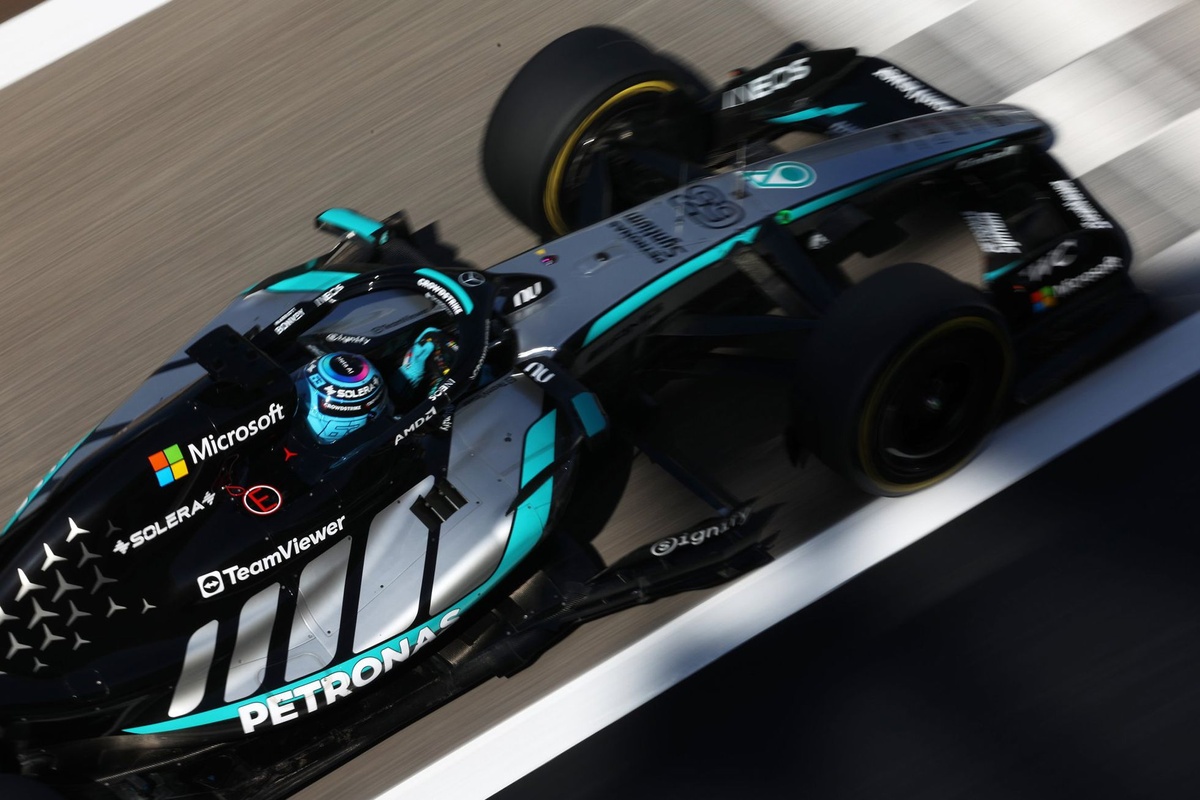
The Crown Jewel Gets a Speed Limit
Monaco. The name alone sends shivers down the spine of every F1 fan. It is the jewel in the crown, the ultimate test of nerve and precision. But this year, the Principality throws a curveball that changes everything. The FIA has stepped in with a heavy hand, introducing new technical regulations that will fundamentally alter how these 1,000-horsepower beasts behave on the narrow streets of Monte Carlo.
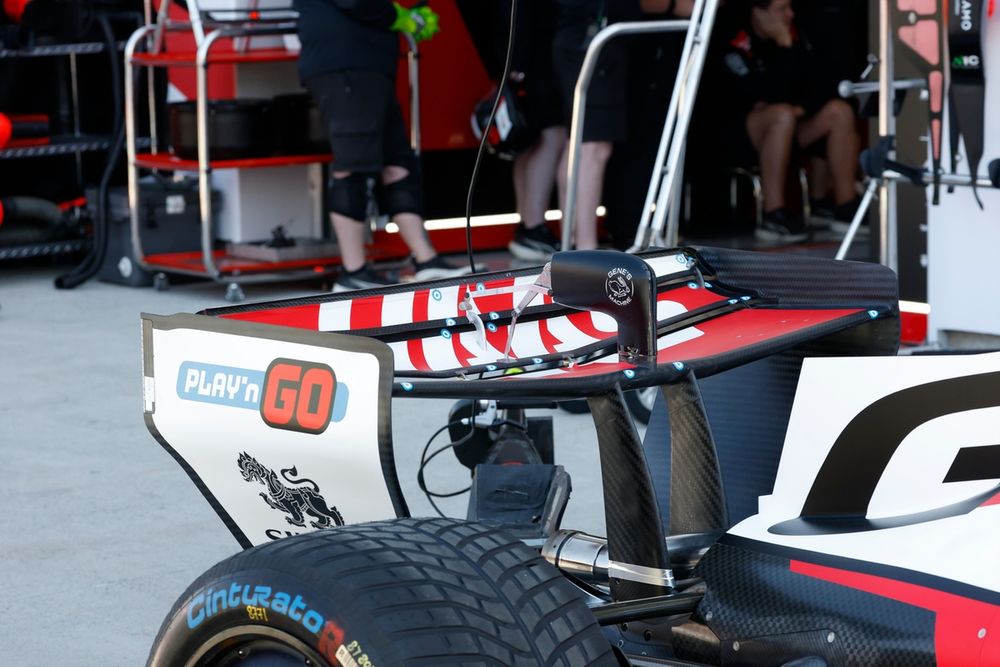
Imagine a Formula 1 car without its most dangerous weapon: active aerodynamics. That is exactly what is happening. For the first time this season, the flaps on the rear wing will remain locked shut for the entire lap. Why? Because safety is paramount on a circuit surrounded by concrete walls and luxury yachts. The FIA realized that deploying wings in high-risk zones could compromise stability, especially when tires are worn. Furthermore, any activation zone must last more than three seconds to justify the driver's mental workload. In Monaco, those windows simply do not exist.
Power Capped, Risks Reduced
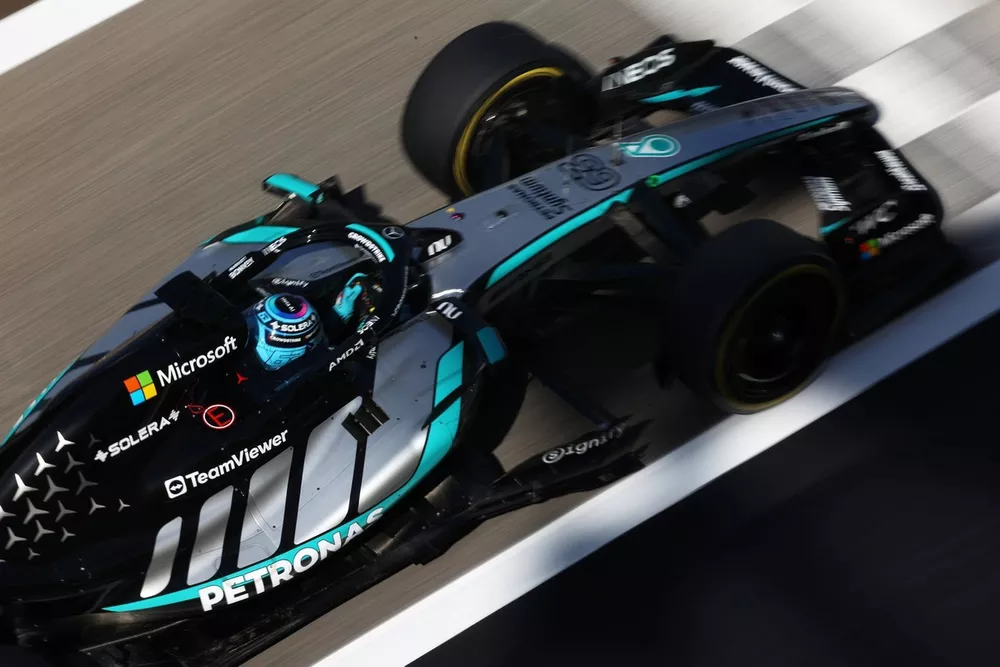
Last year, drivers hit speeds nearing 290km/h on the pit straight using DRS. This year? Forget it. The new 350kW MGU-K electric motor provides such massive torque that cars accelerate to lethal speeds far too quickly. Approaching Turn 1 at blistering velocity on a bumpy surface is a recipe for disaster. To prevent lock-ups and keep drivers inside the barriers, the FIA has disabled "straight mode" entirely.
But the revolution does not stop there. Enter "Rev1," a specific engine map designed solely for Monaco. This map rewrites the rules of power delivery. In standard conditions, the electric motor pumps out 350kW up to 290km/h before gradually tapering off. In Monaco, that full power burst is cut short at just 200km/h.
By the time a car reaches 270km/h, the MGU-K output drops to a mere 100kW. At 300km/h? Zero contribution. The goal is clear: prevent excessive speed in the tunnel and the uphill climb toward Massenet. While the maximum power potential remains, the derating phase is much steeper. Even in "overtake mode," the electric boost stops at 200km/h instead of 335km/h. Monaco may be an energy-harvesting paradise due to its braking zones, but the FIA has decided that raw speed is a luxury the streets can no longer afford. This is racing, but with a seatbelt on tight.

monaco without full aero power feels kinda tame tbh but i guess safety first rn...