


The Silent Superlicences
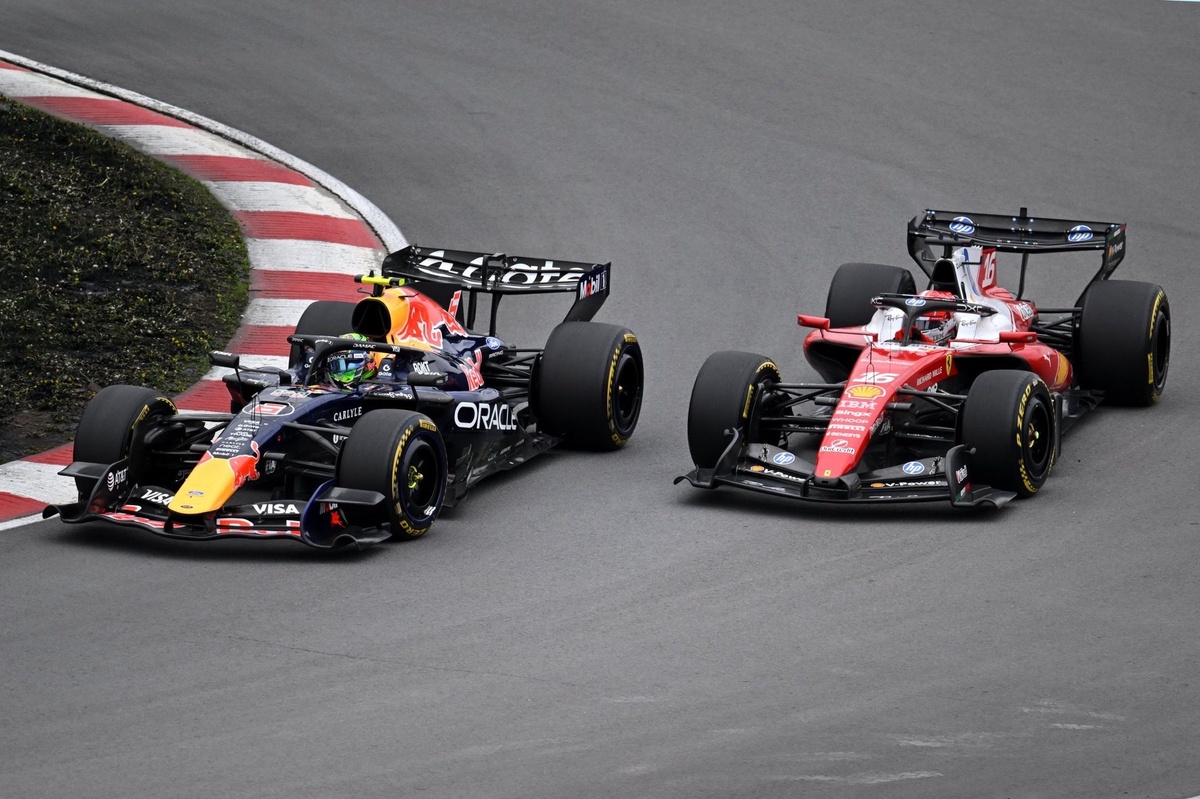
Formula 1 has always been a theatre of chaos, but the 2026 season is writing a strange script. While the paddock screams about regulations and Mercedes’ engine compression ratios, the track has been suspiciously quiet. No brawls. No bans. Not a single penalty point on any superlicence. Not one.
Look at the history books. In 2024, eight points were handed out in the first five races. Last year? Five. But 2026? Zero. It is a statistical ghost town. The stewards, usually the villains of the piece, have slipped under the radar. In Australia, four incidents were investigated, and the verdict? Nothing. In China, only Esteban Ocon and Franco Colapinto’s clash made it to the room. In Japan, even a collision between Colapinto and Oliver Bearman sparked zero investigations. It was eerie. It was calm. It was wrong.
When Leniency Becomes Lawlessness
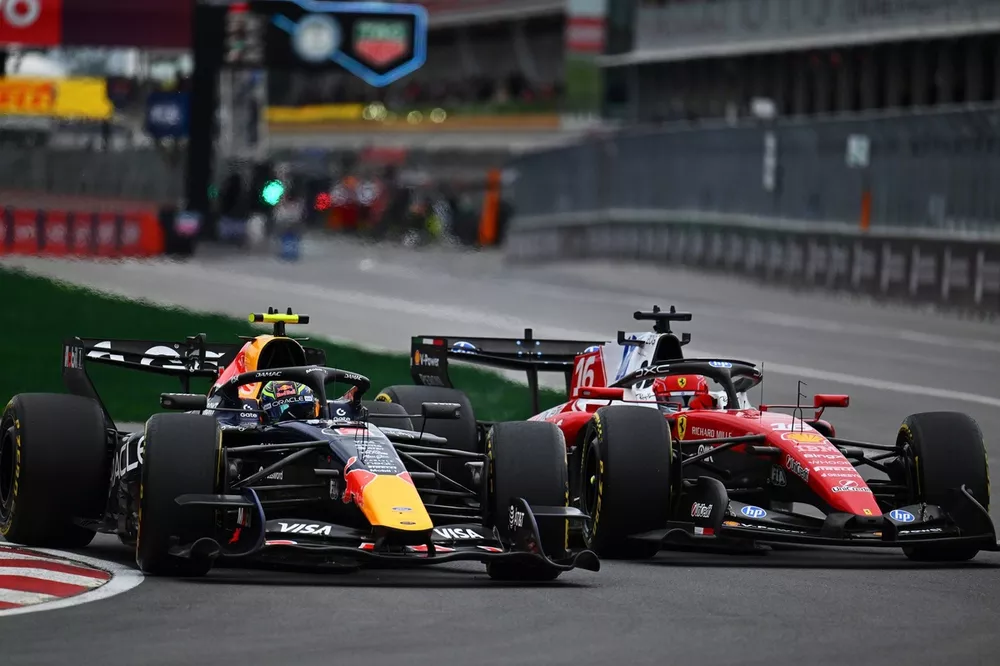
Then came Canada. The first race where the stewards actually woke up, but not in the way you’d expect. Isack Hadjar, the Red Bull rookie, danced with disaster defending against Charles Leclerc. He changed direction multiple times. It was dangerous. It was clear. He got a ten-second penalty. But no points. Why? Because the FIA, still nursing the wounds from the Pierre Gasly and Bearman controversies of 2022 and 2023, decided to take a softer touch. They wanted to avoid suspending drivers for "minor" mistakes.
But is this softness becoming blindness? Oscar Piastri caused contact with Alex Albon in Canada. Ten seconds. No points. Ocon hit Colapinto in China. Ten seconds. No points. The responsibility was obvious. The errors were serious. Sometimes they had real consequences. Yet the superlicences remain pristine. The system was designed to punish repeat offenders and serious infractions, not to give free passes for dangerous driving. When the penalty box becomes a suggestion, where does the discipline go? The pendulum hasn’t just swung; it has snapped.
The Verdict on the Void
The intention was noble: stop the accumulation of points for trivial errors. But now, drivers are committing clear, potentially dangerous infractions without the threat of suspension hanging over their heads. The superlicence points system is supposed to be the scalpel, not the blunt instrument. Right now, it looks like it’s been put in a drawer. If Hadjar, Piastri, and Ocon can drive like that and walk away with only time penalties, what message is being sent? That safety is optional? That the rules are merely guidelines? The 2026 season is proving that sometimes, doing nothing is the loudest statement of all.
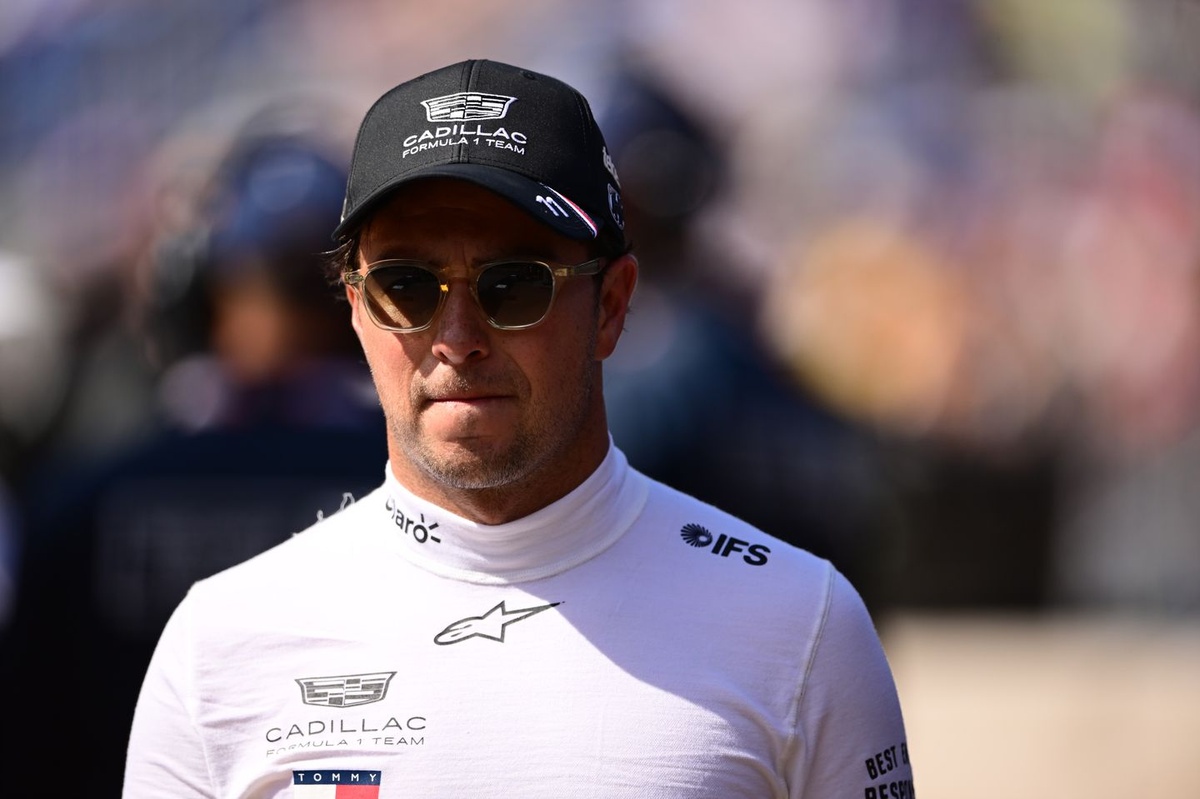
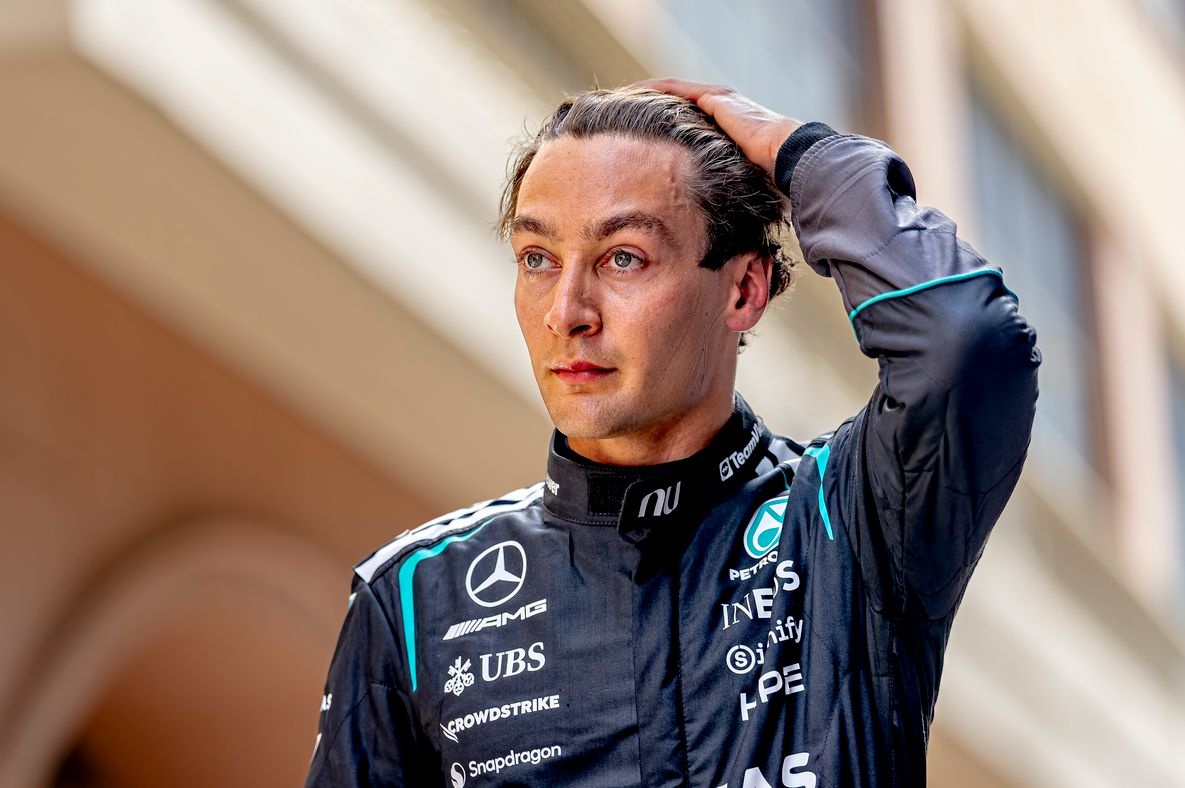
f1 stewards are sleeping at the wheel rn lol. hadjar dodging leclerc and getting zero pts? wild. tbh the whole system feels broken this season. not sure if we'll see any suspensions before the end of the year...