


A severe heatwave, locally referred to as kaasonas, is currently battering much of Europe, with Greece emerging as one of the most severely affected regions. Meteorological services across the Balkans and Southern Europe have issued high-level warnings as temperatures are expected to soar well above seasonal averages. The phenomenon is not merely a seasonal shift but a significant meteorological event impacting public health, energy grids, and daily life. For residents in Athens, Thessaloniki, and coastal areas, the coming days promise intense solar radiation and stifling humidity, marking one of the hottest periods on record for the region.
The urgency of the situation has prompted official alerts from the Hellenic National Meteorological Service, which forecasts temperatures exceeding 40 degrees Celsius in various inland areas. This extreme weather pattern is part of a broader climatic trend affecting the Mediterranean basin, raising concerns about the increasing frequency of such events. As the heat dome settles over the continent, the focus remains on mitigation strategies and public safety measures to protect vulnerable populations.
The Meteorological Drivers Behind the European Heat
The current heatwave is driven by a persistent high-pressure system that has stalled over Southern Europe, trapping hot air masses and preventing cooler maritime winds from reaching inland areas. This atmospheric configuration creates a "heat dome" effect, where the air is compressed and heated as it descends, leading to rapidly rising temperatures. According to data from ECMWF, this pattern is expected to persist for several days, with peak intensity likely occurring mid-week. The lack of cloud cover further exacerbates the situation, allowing direct solar radiation to heat the ground and lower atmosphere unchecked.
Humidity levels, particularly in coastal regions, are also contributing to the discomfort and health risks. The combination of high heat and moisture results in a high "feels like" temperature, which can be dangerous for human health. Meteorologists note that nighttime temperatures are remaining elevated, preventing the natural cooling process that usually occurs after sunset. This lack of nocturnal relief places additional stress on the body, particularly for the elderly and those with pre-existing health conditions. The situation is being closely monitored by agencies such as Meteo.gr, which provide real-time updates on temperature fluctuations and air quality indices.
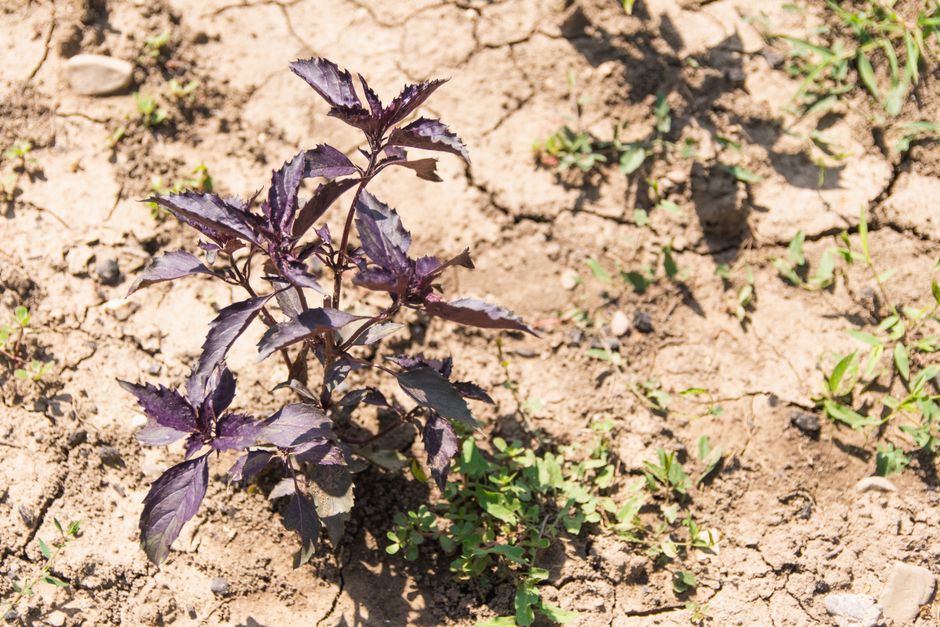
Inland areas, including the central plains of Greece, are experiencing the most extreme conditions. These regions, often surrounded by mountains, act as heat traps, retaining warmth throughout the day and night. Agricultural sectors are also feeling the strain, with crops facing drought stress and increased irrigation demands. The meteorological outlook suggests that without a significant shift in wind patterns, the heatwave will continue to dominate the regional weather narrative, underscoring the volatility of the current summer season.
Public Health and Infrastructure Under Pressure
The intense heat has prompted health authorities to issue strict advisories, urging citizens to stay hydrated, avoid outdoor activities during peak hours (12:00 PM to 6:00 PM), and check on vulnerable neighbors. Hospitals across major cities like Athens and Thessaloniki have reported an uptick in heat-related illnesses, including heat exhaustion and dehydration. The Greek Ministry of Health has activated emergency protocols to ensure that medical facilities are prepared to handle potential surges in patient admissions. Public cooling centers have been opened in urban areas to provide relief for those without access to air conditioning.
Infrastructure is also facing significant stress. The increased demand for electricity due to widespread air conditioning use is pushing power grids to their limits. Energy providers are warning of potential load-shedding scenarios if consumption peaks coincide with reduced generation capacity. The Independent Power Transmission Operator (IPTO) is closely monitoring grid stability, urging consumers to optimize their energy usage during critical hours. This strain on resources highlights the broader challenges of adapting infrastructure to increasingly extreme weather conditions.
Tourism, a vital sector for the Greek economy, is also adapting to the heat. While many visitors seek the sun, the extreme temperatures are altering travel patterns, with tourists shifting their activities to cooler hours or seeking shaded and indoor attractions. Hotels and resorts are enhancing their cooling systems and providing extra water to guests. The balance between maintaining a vibrant tourist experience and ensuring safety remains a key priority for the hospitality industry, which plays a central role in the country's economic resilience during summer months.
A Broader Balkan and Mediterranean Context
The heatwave is not isolated to Greece; it is part of a regional phenomenon affecting the entire Balkan Peninsula and the wider Mediterranean. Countries such as Bulgaria, North Macedonia, and Serbia are also reporting above-average temperatures, with similar health and infrastructure warnings in place. This synchronized weather event underscores the interconnected nature of climate challenges in the region. As global temperatures rise, the frequency and intensity of such heatwaves are expected to increase, necessitating coordinated regional responses and long-term adaptation strategies.
For the Balkan audience, this event serves as a stark reminder of the changing climate landscape. The kaasonas is no longer just a seasonal occurrence but a recurring threat that impacts agriculture, public health, and energy security. Understanding the science behind these events and preparing for their impacts is essential for communities across the region. As the heatwave continues, the focus remains on resilience, preparedness, and the collective effort to mitigate the effects of extreme weather.
Looking ahead, meteorologists will be watching for any signs of a breakdown in the high-pressure system, which would allow cooler air to move in. Until then, residents across Greece and the Balkans are advised to remain vigilant, follow official guidance, and take necessary precautions to stay safe. The coming days will test the region's preparedness and highlight the urgent need for sustainable practices to combat the growing threat of extreme heat.


Comments