


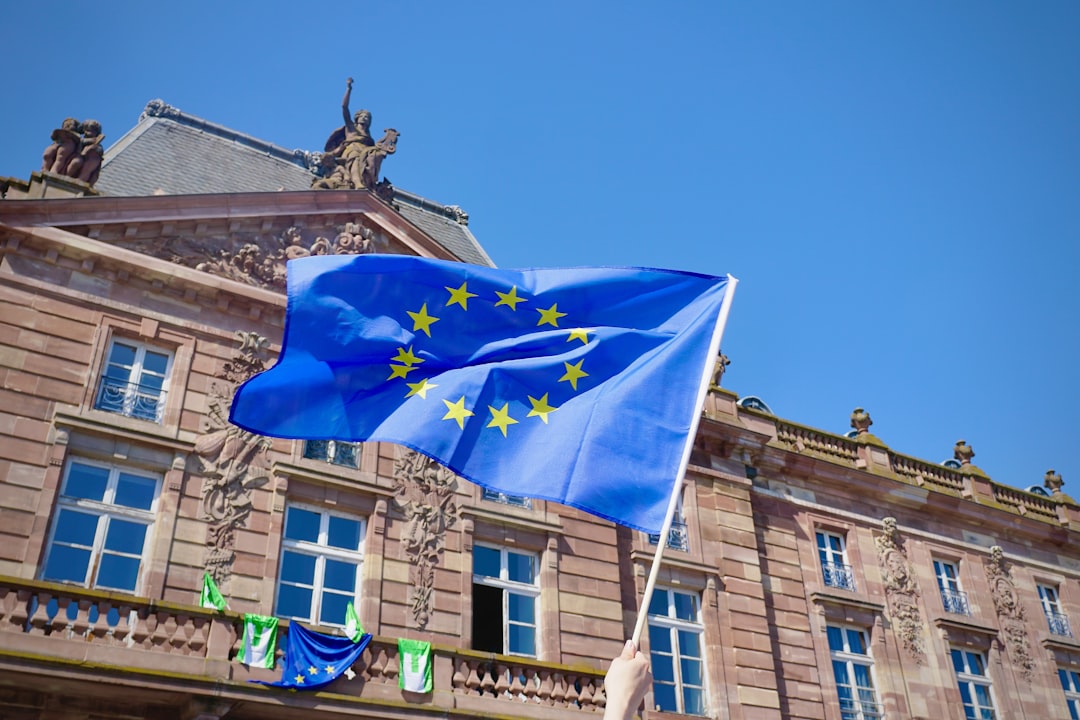
The European Public Prosecutor's Office (EPPO) has initiated a sweeping new investigation targeting alleged fraud in the management of EU structural funds across several Balkan member states. This high-profile probe marks a significant escalation in Brussels' efforts to combat financial misconduct, with preliminary reports indicating that billions of euros in infrastructure grants may have been misallocated. The move sends shockwaves through the region, particularly affecting Greece, Bulgaria, and Romania, where large-scale public works projects have historically relied heavily on EU funding. For citizens in the Balkans, the investigation raises urgent questions about transparency, accountability, and the tangible benefits of European integration. The EPPO, established to protect the EU's financial interests, has signaled that no entity will be shielded from scrutiny, regardless of political influence or local connections.
Context of the Investigation and Key Allegations
The investigation centers on complex schemes involving inflated costs in public procurement and the diversion of funds intended for transport and digital infrastructure. According to initial findings, several private contractors in partnership with local officials allegedly submitted falsified invoices to secure payments for projects that were either incomplete or never executed. The EPPO has frozen assets and issued arrest warrants for key figures suspected of orchestrating these schemes. The probe is part of a broader operational strategy by the EPPO to tackle cross-border fraud, leveraging its unique power to investigate, prosecute, and bring to judgment those who commit crimes against the EU budget. This jurisdiction covers 23 EU member states, including the three Balkan nations currently under the spotlight.
The scope of the alleged fraud extends beyond simple embezzlement, involving sophisticated money laundering techniques through shell companies registered in multiple jurisdictions. Investigators have traced payments to offshore accounts, complicating the recovery of stolen funds. The EPPO's involvement underscores the severity of the case, as it operates independently of national authorities, ensuring that political pressure does not hinder the judicial process. This case serves as a stark reminder of the vulnerabilities in the EU's funding mechanisms and the critical need for robust oversight. The EPPO's mandate allows it to act swiftly, bypassing bureaucratic delays that often plague national investigations.

Impact on Balkan Member States and Public Trust
For Romania, Bulgaria, and Greece, the implications of this investigation are profound. These countries have been significant recipients of EU cohesion funds, which have financed major highways, airports, and urban renewal projects. The revelation of such large-scale fraud threatens to undermine public confidence in both national governments and the European Union. Citizens who have seen little tangible improvement in their local infrastructure may feel disillusioned, fearing that their contributions to the EU budget are being squandered. Political leaders in the affected regions are under intense pressure to cooperate fully with the EPPO and to demonstrate a commitment to reforming their public procurement systems. The scandal could also lead to stricter conditions for future funding, potentially slowing down development in the region.
The economic fallout is already visible, with several major construction projects being suspended pending further review. This halt in activity has immediate consequences for local businesses and workers who depend on these contracts. Moreover, the investigation highlights the persistent challenge of corruption in the Balkans, an issue that has long hindered the region's integration into the broader European political and economic framework. While the EU has made significant strides in supporting rule-of-law reforms, cases like this reveal the deep-rooted nature of illicit networks. The European Parliament's stance on fraud emphasizes zero tolerance, but implementation remains a complex challenge for national authorities.

Broader Significance and Future Outlook
As the investigation unfolds, it is likely to set a new precedent for how the EU handles financial misconduct in member states. The EPPO's ability to prosecute high-level officials and corporate executives sends a clear message that the EU's financial integrity will be defended vigorously. For the Balkan audience, this case is not just about recovering lost funds; it is about establishing a culture of accountability and transparency that is essential for sustainable development. The outcome of the trial will be closely watched by other candidate countries in the Western Balkans, such as Serbia, Montenegro, and North Macedonia, as they prepare for their own accession negotiations. These nations view the EPPO's actions as a benchmark for the standards they must meet to join the EU.
In the coming months, more details are expected to emerge as the EPPO continues its forensic analysis of financial records and interviews witnesses. Legal experts predict that the case could take several years to reach a final verdict, given its complexity and the international nature of the transactions. However, the immediate impact is undeniable, with political repercussions likely to reshape the landscape in the affected countries. Citizens are calling for greater oversight and stricter penalties for corruption, reflecting a growing demand for good governance. The EPPO's official website provides regular updates on the progress of such operations, offering transparency to the public. Ultimately, this investigation represents a critical test for the EU's ability to protect its interests and uphold the rule of law in one of its most dynamic and challenging regions.




Comments