


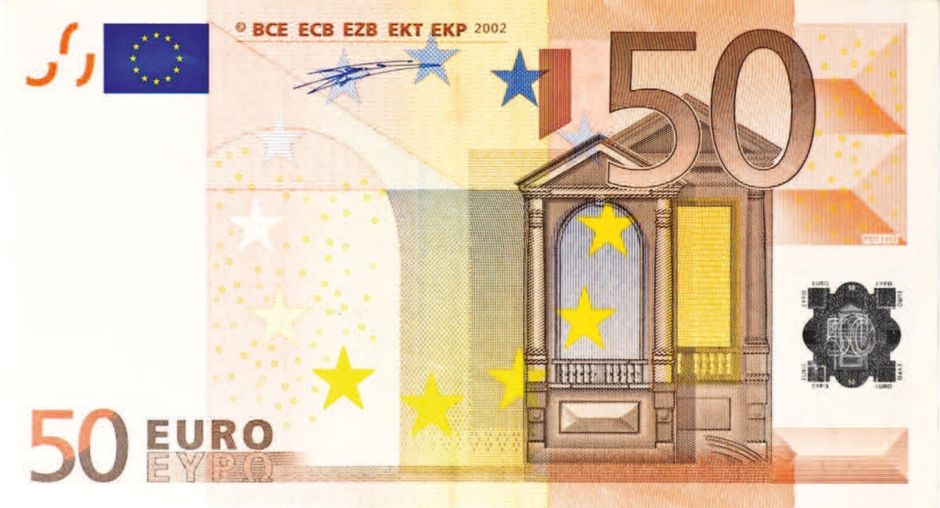
The European Central Bank (ECB) has sent a clear signal regarding its monetary policy trajectory, causing the euro to stabilize against major global currencies. This development is closely watched across the Balkans, where the euro serves as the de facto currency in several nations and a critical benchmark for trade and investment. As inflation data across the Eurozone shows signs of cooling, markets are adjusting their expectations for future interest rate decisions. For countries in Southeast Europe, this stability offers a window of opportunity for economic planning, particularly in sectors heavily reliant on exports to the European Union. The recent market movements underscore the continued dominance of the single currency in the region’s financial landscape.
ECB Policy Shifts and Global Currency Trends
The European Central Bank’s recent communications have emphasized a data-dependent approach to monetary policy, balancing the need to control inflation with the desire to support economic growth. Analysts note that the euro’s resilience is partly due to safer-haven flows amid global geopolitical tensions. According to the European Central Bank, the institution is closely monitoring wage growth and service price inflation before committing to further rate cuts. This cautious stance has helped maintain investor confidence in the currency, preventing the sharp declines seen in previous quarters. The broader Eurozone economy is showing tentative signs of recovery, with manufacturing output stabilizing in key member states like Germany and France.
Global currency markets have reacted to these signals with increased volatility, but the euro has largely held its ground against the US dollar. The euro remains the second most traded currency in the world, and its stability is crucial for international trade. For emerging markets, including those in the Balkans, a strong euro can complicate export competitiveness but simultaneously reduces the cost of imports and external debt servicing. Financial experts suggest that the current environment favors economies with strong fiscal positions and low external vulnerability. The ECB’s policy clarity provides a predictable backdrop for regional financial institutions to plan their lending strategies.

Economic Impact on the Balkan Peninsula
The Balkan region maintains deep economic ties with the Eurozone, making the performance of the euro a central factor in local economic stability. Countries like Montenegro and Kosovo have officially adopted the euro as their legal tender, meaning they directly benefit from the currency’s stability but also import the monetary policy of the ECB. For these nations, there is no independent monetary policy to adjust to local conditions; instead, they must rely on fiscal tools and structural reforms to manage economic fluctuations. The recent strengthening of the euro has helped contain inflation in these countries, which had previously struggled with rising energy and food prices linked to global supply chain disruptions.
In other Balkan states, such as Serbia, North Macedonia, and Bulgaria, the euro serves as a dominant reference currency for pricing and savings. Even though these countries have their own currencies, the euro remains the preferred store of value for many households and businesses. This high degree of "euroization" means that fluctuations in the euro’s exchange rate have a direct impact on domestic purchasing power and investment decisions. A stable euro encourages foreign direct investment from EU companies, which are the largest investors in the region. Recent data shows that EU investment accounts for the majority of FDI inflows into the Balkans, reinforcing the importance of monetary stability in the single currency.
Trade Dynamics and Future Outlook
The stability of the euro also influences trade balances across the Balkans. Many Balkan economies are export-oriented, with key sectors including automotive, textiles, and agriculture. A strong euro can make exports from the region more expensive for non-EU partners, potentially slowing growth in external markets. However, for trade within the EU, which constitutes the largest share of Balkan exports, a stable currency reduces transaction costs and exchange rate risk. This predictability is vital for small and medium-sized enterprises that lack the resources to hedge against currency volatility. The European Union’s enlargement process further incentivizes these countries to align their economic policies with EU standards, including maintaining stable macroeconomic conditions.
Looking ahead, the focus will remain on the ECB’s upcoming policy meetings and the broader economic performance of the Eurozone. If inflation continues to fall towards the ECB’s 2% target, further interest rate cuts may be on the horizon, which could lead to a slight depreciation of the euro. Such a scenario would benefit Balkan exporters but might increase import costs in euroized economies. Policymakers in the region are advised to continue strengthening fiscal buffers and promoting structural reforms to ensure resilience against external shocks. The Balkan Economic Integration initiatives also play a role in enhancing regional cooperation and reducing dependency on single external factors. As the region moves closer to EU integration, the alignment with the euro’s trajectory will remain a defining feature of its economic landscape.

What to Watch Next
Investors and policymakers should monitor the next ECB Governing Council meeting for any shifts in the forward guidance on interest rates. The reaction of Balkan stock markets, particularly in Zagreb, Belgrade, and Bucharest, will provide early signals of how regional investors perceive the monetary policy outlook. Additionally, inflation data from key Balkan economies will be critical in assessing the domestic impact of euro stability. The interplay between global currency trends and regional economic fundamentals will continue to shape the financial environment in Southeast Europe. For businesses and consumers alike, understanding these dynamics is essential for navigating the evolving economic landscape. The euro’s role as a cornerstone of Balkan economic stability is likely to persist, making its performance a key indicator of regional prosperity.

Comments