



Turkish President Recep Tayyip Erdogan has recently escalated his rhetoric regarding the ongoing conflict between Israel and Hamas, drawing international scrutiny and raising questions about the future of Turkey's foreign policy. Erdogan, who has consistently positioned himself as a vocal critic of Israel's military actions in Gaza, has issued stark warnings about the potential for a broader regional war. His recent statements, which include comparisons of Israeli actions to historical atrocities and calls for international intervention, have resonated with many in the Muslim world but have also strained Turkey's diplomatic relations with Western allies. This shift in tone is not just a domestic political move but a significant geopolitical development that could reshape the balance of power in the Middle East and beyond.
The conflict in Gaza has been a focal point of global attention, with the death toll rising and humanitarian conditions deteriorating. Erdogan has been one of the most prominent voices condemning Israel's military campaign, accusing it of committing war crimes and genocide. His government has also taken concrete steps, such as recalling its ambassador from Israel and supporting Hamas in international forums. These actions have positioned Turkey as a key player in the diplomatic efforts to de-escalate the conflict and provide aid to Gaza. However, Erdogan's hardline stance has also led to a deterioration in Turkey-Israel relations, which have been historically complex and often fraught with tension.
Background and Context
The roots of Erdogan's stance on the Israel-Gaza conflict can be traced back to his long-standing political ideology and Turkey's historical role in the Middle East. Erdogan, who has been the leader of Turkey since 2003, has consistently advocated for a more assertive foreign policy that aligns with the interests of the Muslim world. His government has often criticized Israel's policies towards Palestinians, and Erdogan himself has been a vocal supporter of the Palestinian cause. This ideological commitment has been reinforced by domestic political considerations, as Erdogan's base includes a significant number of conservative and religious voters who are sympathetic to the Palestinian struggle.
The current conflict in Gaza is not the first time Turkey and Israel have found themselves at odds. The two countries have a history of diplomatic tensions, including the 2010 Gaza flotilla raid, which resulted in the deaths of 10 Turkish activists and led to a significant deterioration in bilateral relations. Although Turkey and Israel have made efforts to normalize their relations in recent years, the underlying issues remain unresolved. Erdogan's current rhetoric is seen by many as a continuation of this historical pattern, with the added dimension of the global spotlight on the Gaza conflict.
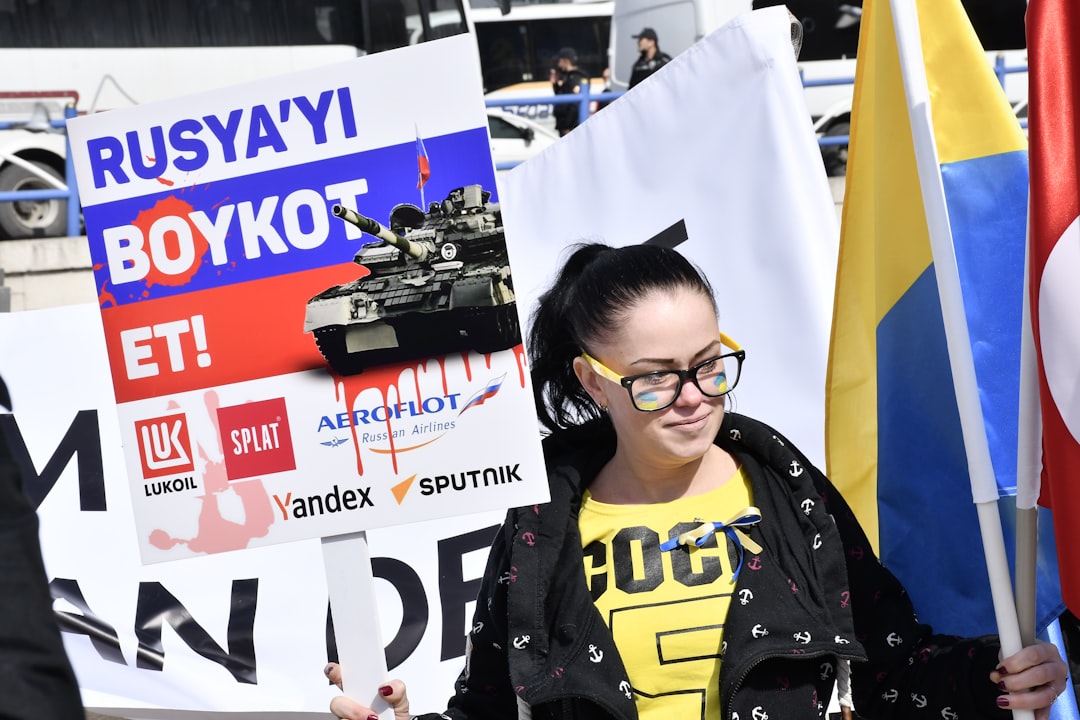
Significance and Impact
Erdogan's hardline stance on the Israel-Gaza conflict has significant implications for Turkey's foreign policy and its relationships with other countries. On one hand, it has strengthened Turkey's position as a leader in the Muslim world, garnering support from countries like Iran, Qatar, and Pakistan. These nations have echoed Erdogan's criticisms of Israel and have supported Turkey's calls for international intervention. On the other hand, it has strained Turkey's relations with Western allies, particularly the United States and European Union countries, which have been more cautious in their responses to the conflict. The United States, in particular, has been a key ally of Israel and has faced criticism from some quarters for its support of Israel's military actions.
The impact of Erdogan's stance extends beyond diplomatic relations. It has also influenced Turkey's economic and security policies. Turkey has been involved in various regional conflicts, including those in Syria, Libya, and the South Caucasus, and its foreign policy has often been shaped by its strategic interests. The current conflict in Gaza has added another layer of complexity to these interests, as Turkey seeks to balance its support for the Palestinian cause with its need to maintain good relations with its Western partners. This balancing act is further complicated by the fact that Turkey is a member of NATO, and its actions have implications for the alliance's cohesion and effectiveness.
Balkan Angle and Regional Relevance
The conflict in Gaza and Erdogan's stance on it have also had repercussions in the Balkans, a region with its own complex history of ethnic and religious tensions. Turkey has significant cultural and historical ties to the Balkans, particularly in countries like Bosnia and Herzegovina, Kosovo, and North Macedonia, where there are large Muslim populations. Erdogan's government has often sought to strengthen these ties through economic investments, educational programs, and cultural exchanges. The current conflict has provided an opportunity for Erdogan to further consolidate Turkey's influence in the region, as he positions himself as a defender of Muslim interests.
In the Balkans, the conflict in Gaza has been a topic of intense debate, with many people expressing solidarity with the Palestinian cause. Protests have been held in several Balkan countries, including Serbia, Croatia, and Bosnia, where citizens have gathered to condemn Israel's actions and call for a ceasefire. These protests have been supported by local Muslim communities and civil society organizations, which have seen the conflict as a matter of justice and human rights. Erdogan's rhetoric has resonated with these groups, and his government has been quick to highlight its support for the Palestinian cause in its communications with Balkan audiences.
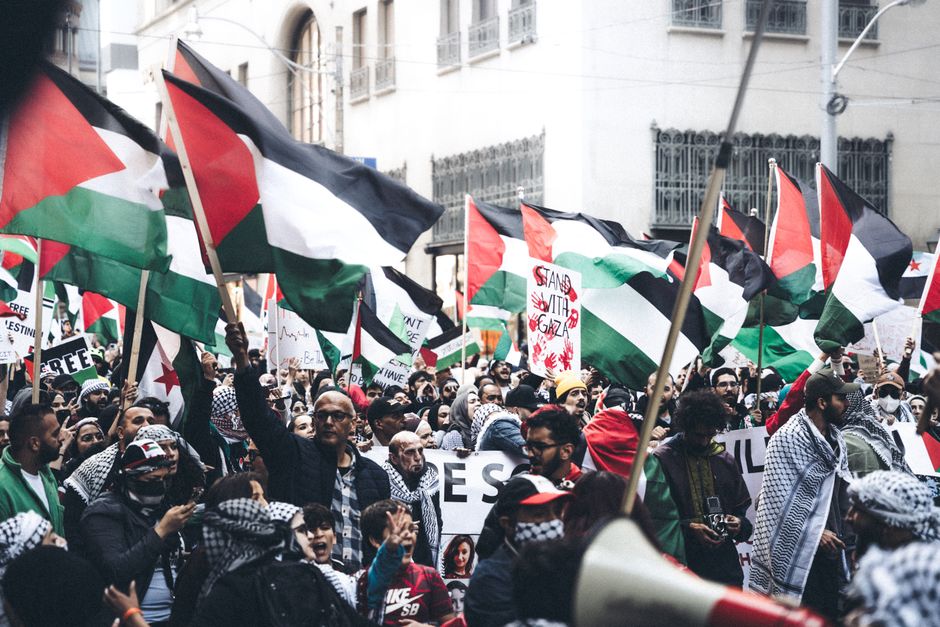
The Balkan angle is also significant because of the region's geopolitical importance. Turkey has been involved in various initiatives in the Balkans, including peacekeeping missions and economic development projects. The current conflict has added a new dimension to these initiatives, as Turkey seeks to leverage its support for the Palestinian cause to strengthen its influence in the region. This has implications for the balance of power in the Balkans, as other regional powers, such as Greece and Serbia, also have their own interests in the region. The situation is further complicated by the fact that the Balkans are a crossroads of different cultural and religious traditions, and the conflict in Gaza has the potential to exacerbate existing tensions.
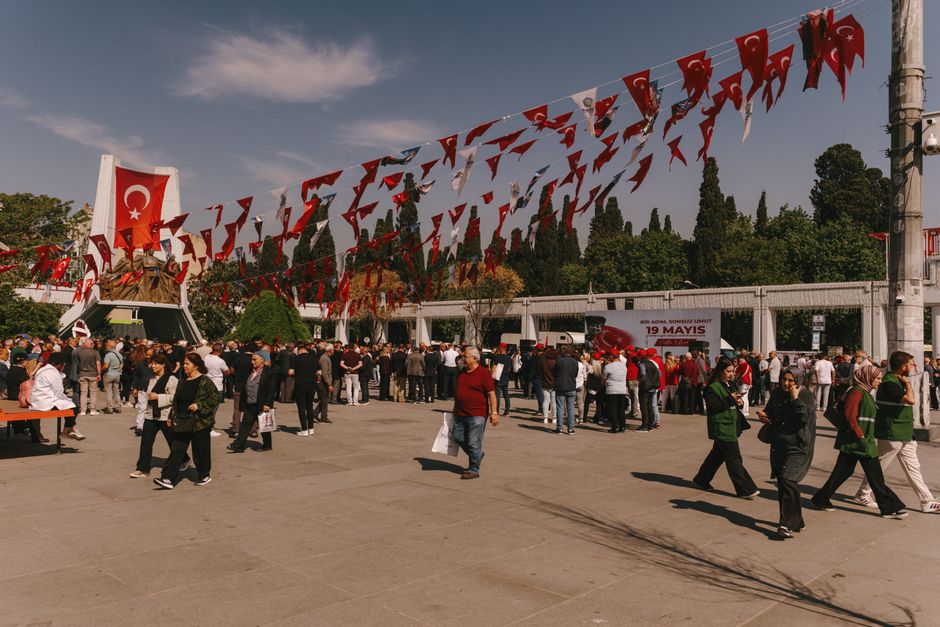
Looking ahead, the impact of Erdogan's stance on the Israel-Gaza conflict will continue to evolve, with significant implications for Turkey's foreign policy and the broader geopolitical landscape. The conflict in Gaza is likely to remain a focal point of international attention, and Erdogan's government will need to navigate the complex diplomatic and security challenges that arise from its hardline position. For the Balkans, the conflict has highlighted the region's strategic importance and the potential for external actors to influence its political and social dynamics. As the situation develops, it will be important to monitor how Erdogan's government balances its support for the Palestinian cause with its broader strategic interests, and how this balance affects its relationships with other countries in the region and beyond. The coming months will be critical in determining the long-term consequences of Erdogan's stance and its impact on the global order.



Comments