


The Egyptian national football team, widely recognized as the most successful side in African history, is currently undergoing a transformative shift under the leadership of head coach Hossam Hassan. With the Pharaohs preparing for the upcoming 2026 FIFA World Cup qualifiers, the focus has moved beyond past glories to a new era defined by tactical discipline and a deep pool of talent playing in Europe. For Balkan audiences, particularly in countries with strong footballing traditions like Serbia, Greece, and Romania, this resurgence matters because Egypt serves as a direct competitor for continental dominance and a key opponent in future international fixtures. The team’s recent performances have drawn attention not just for their results, but for the emergence of young stars who are challenging established hierarchies across the African continent.
The narrative surrounding Egyptian football has changed significantly from the era dominated solely by Mohamed Salah. While the Liverpool forward remains a global icon and a vital component of the squad, the current setup relies on a collective strength that includes players from the English Premier League, La Liga, and the Saudi Pro League. This depth has allowed Egypt to remain competitive in the Africa Cup of Nations and maintain a high ranking in FIFA coefficients. The strategic shift emphasizes possession-based football and defensive solidity, marking a departure from the more counter-attacking styles of previous decades. This evolution has positioned Egypt as a formidable force, capable of challenging not only African rivals like Morocco and Senegal but also holding their own against top-tier European and Asian teams in friendly encounters.
Tactical Evolution and Key Personnel
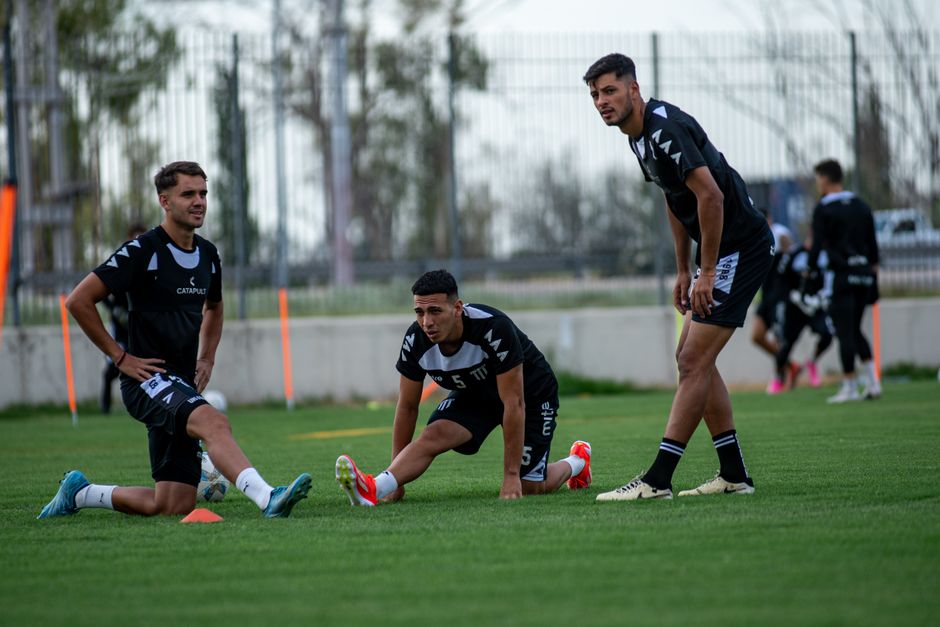
Hossam Hassan, a former striker and one of Africa’s all-time leading goal scorers, has brought a pragmatic yet modern approach to the national team. His tenure has been characterized by the integration of youth with experience, creating a balanced squad that can adapt to various opponents. Key figures in this new core include Mohamed Salah, whose creativity and goal-scoring prowess remain unmatched, and rising talents like Ahmed Hassan of Al Ahly and Moises Lopez of Al Hilal. The midfield has been bolstered by players such as Karim Fouad and Tarek Hamed, who provide energy and tactical intelligence. This blend of veterans and newcomers has resulted in a team that is difficult to predict and challenging to dismantle, a quality that has been evident in their recent qualifying campaigns.
The defensive line has also seen significant upgrades, with players like Ahmed Hegazy and Mahmoud Hamdy providing leadership and composure at the back. These defenders, many of whom have experience in European leagues, bring a level of professionalism and tactical awareness that elevates the entire unit. The goalkeeper position, often a critical factor in international tournaments, has found stability in figures like El Shenawy, whose reflexes and command of the box have been instrumental in keeping clean sheets. This defensive solidity allows the attacking players to take risks, knowing they have a reliable structure behind them. The cohesion of the backline is a testament to Hassan’s coaching methods and the players’ commitment to a unified system.

Significance for African Football and Global Standing
Egypt’s resurgence has broader implications for African football as a whole. As the most decorated nation in the history of the Africa Cup of Nations, with seven titles, Egypt sets a benchmark for excellence and professionalism. Their success pressures other African nations to invest more in youth development and infrastructure. The Pharaohs’ ability to compete on the global stage also enhances the visibility of African football, attracting more scouting attention and sponsorship deals. This global recognition is crucial for the growth of the sport on the continent, as it demonstrates that African teams can produce world-class talent and execute sophisticated tactical plans.
Furthermore, Egypt’s performance in international competitions influences the FIFA rankings and the allocation of resources for African football. A strong showing in World Cup qualifiers and major tournaments helps secure better seeding for future events and increases the commercial value of the African national teams. For clubs like Al Ahly and Zamalek, which supply the majority of the national team players, this success translates into higher revenues and greater prestige. The interplay between club and country is evident, as players gain international experience and bring it back to their domestic teams, creating a virtuous cycle of improvement. Egypt’s model serves as an example for other African nations seeking to elevate their footballing standards.
The Balkan Connection and Future Outlook
For Balkan football fans, Egypt’s rise is relevant due to the historical and competitive ties between the regions. Matches between Egyptian and Balkan teams, whether in friendlies or club competitions, are often high-stakes encounters that draw significant viewership. The tactical styles of Balkan teams, known for their physicality and technical proficiency, often clash interestingly with Egypt’s blend of speed and skill. Additionally, several Egyptian players have had stints in Balkan leagues, fostering a deeper understanding and appreciation of the game on both sides. This cross-cultural exchange enriches the footballing landscape and provides fans with diverse perspectives on the sport.
Looking ahead, Egypt’s preparation for the 2026 World Cup will be closely watched by analysts and fans alike. The team’s ability to maintain its form and integrate new talents will be critical in their quest for another World Cup appearance. With a squad that combines experience with youthful energy, Egypt is well-positioned to challenge for major honors in Africa and beyond. The coming months will test their resilience and adaptability, particularly in high-pressure qualifiers. For Balkan audiences, keeping an eye on Egypt’s progress offers insights into the evolving dynamics of international football and the growing competitiveness of African nations. The Pharaohs’ journey is not just about their own success, but about the broader narrative of African football’s ascent on the global stage.

Comments