


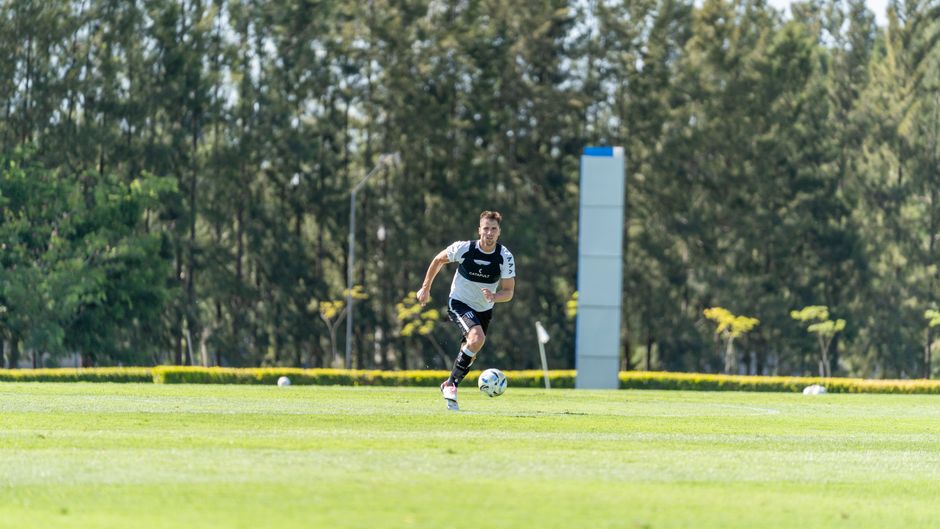
Eden Hazard remains a name that commands attention in the global footballing landscape, even years after his retirement from professional play. The Belgian winger, widely regarded as one of the most talented players of his generation, recently found himself trending online due to renewed discussions about his career trajectory, particularly his time at Chelsea FC. While his final seasons were marred by injuries and inconsistent form, his peak years at Chelsea defined an era for the club and inspired a new generation of attacking players. For Balkan audiences, Hazard’s career serves as a case study in how technical brilliance can overcome physical limitations, a narrative that resonates deeply in regions where football culture emphasizes skill and tactical intelligence over sheer athleticism.
The recent surge in interest stems from comparisons drawn between Hazard’s playing style and current stars like Christian Pulisic and Olivier Giroud, both of whom have spoken about Hazard’s influence. Pulisic, who joined Chelsea during Hazard’s final season, has cited the Belgian as a mentor, while Giroud praised Hazard’s ability to create chaos in the final third. These reflections have sparked a broader conversation about Hazard’s legacy, with fans and analysts revisiting his iconic moments, including his Champions League-winning campaign and his Ballon d’Or third-place finish in 2014. For Balkan football enthusiasts, who often follow European clubs closely, Hazard’s story offers insights into the pressures of modern football and the challenges of sustaining peak performance.

The Peak Years: Hazard at Chelsea and Lille
Eden Hazard’s career reached its zenith during his tenure at Chelsea, where he transformed from a promising talent into a global superstar. After joining from LOSC Lille in 2012, Hazard quickly became the focal point of Chelsea’s attack, combining dribbling, vision, and clinical finishing to dominate opponents. His debut season saw him contribute significantly to Chelsea’s Premier League title win, and he only grew more influential in the years that followed. Between 2014 and 2017, Hazard was instrumental in Chelsea’s Champions League triumph, scoring crucial goals and providing assists in high-stakes matches. His ability to beat defenders one-on-one and create chances out of nothing made him a nightmare for opposing defenses.
What set Hazard apart was not just his technical skill but his intelligence on the pitch. He understood space and timing better than most, often finding pockets of opportunity that others missed. His partnership with players like John Terry and Diego Costa was particularly effective, as he could link up play in tight areas and deliver precise passes. For Balkan fans, who appreciate tactical nuance, Hazard’s game offered a masterclass in how to exploit defensive weaknesses. His influence extended beyond statistics; he elevated the performance of those around him, making Chelsea a more cohesive and dangerous unit. Even critics of his later career cannot deny the impact he had during his prime, when he was arguably the best player in the world.

The Decline and Retirement: Injuries and Real Madrid
Hazard’s move to Real Madrid in 2019 marked a turning point in his career, albeit not for the reasons many hoped. The transfer fee, reported at over £100 million, signaled Real Madrid’s intent to replace Cristiano Ronaldo with a dynamic attacker. However, Hazard struggled to adapt to the Spanish giants’ system, facing a barrage of injuries that limited his availability and disrupted his rhythm. His knee problems, in particular, were debilitating, forcing him to miss significant portions of two seasons. When he did play, he appeared a shadow of his former self, lacking the explosiveness and confidence that defined his Chelsea years. Despite winning La Liga and the Champions League, Hazard’s time at Real Madrid was largely viewed as a disappointment.
The decline was not solely due to injuries; tactical mismatches and the pressure of living up to Ronaldo’s legacy also played a role. Real Madrid’s style under Zinedine Zidane and later managers did not fully suit Hazard’s strengths, leaving him isolated and ineffective. His retirement in 2023, at just 33 years old, came as a shock to many, but it was clear that his body could no longer withstand the demands of top-level football. For Balkan audiences, who often follow the careers of players who peak early and fade quickly, Hazard’s story is a poignant reminder of the fragility of athletic careers. His decision to retire on his own terms, rather than linger in decline, has earned him respect, even from those who were critical of his later years.

Legacy and Influence: Why Hazard Still Matters
Eden Hazard’s legacy extends beyond his trophy cabinet and individual accolades. He represented a style of play that emphasized creativity, flair, and technical excellence, qualities that are increasingly rare in modern football’s physical and tactical landscape. His influence can be seen in the next generation of wingers, who emulate his ability to cut inside, shoot with both feet, and create chances from nothing. Players like Rafael Leão and Bukayo Saka have drawn inspiration from Hazard’s game, adopting similar movements and finishing techniques. For Balkan football academies, which prioritize technical development, Hazard’s career serves as a blueprint for how young players can maximize their potential through skill and intelligence.
Beyond the pitch, Hazard’s personality and professionalism have left a lasting impression. Known for his humility and work ethic, he maintained strong relationships with teammates and staff throughout his career. His charity work and community involvement, particularly in Belgium, have further cemented his status as a role model. For Balkan fans, who value players who give back to their communities, Hazard’s off-field conduct is as admirable as his on-field achievements. As football evolves, Hazard’s story will continue to be studied and debated, ensuring that his name remains synonymous with excellence and innovation.
Looking ahead, the conversation around Eden Hazard is likely to shift from his playing days to his potential roles in coaching, media, or ambassadorship. His deep understanding of the game and widespread respect make him a valuable asset for any organization. For Balkan audiences, keeping an eye on Hazard’s post-retirement activities offers a chance to see how former stars transition into new careers while maintaining their relevance. Whether through mentoring young players or analyzing matches, Hazard’s influence will endure, reminding fans of what it means to play football with heart, skill, and passion.

Comments