


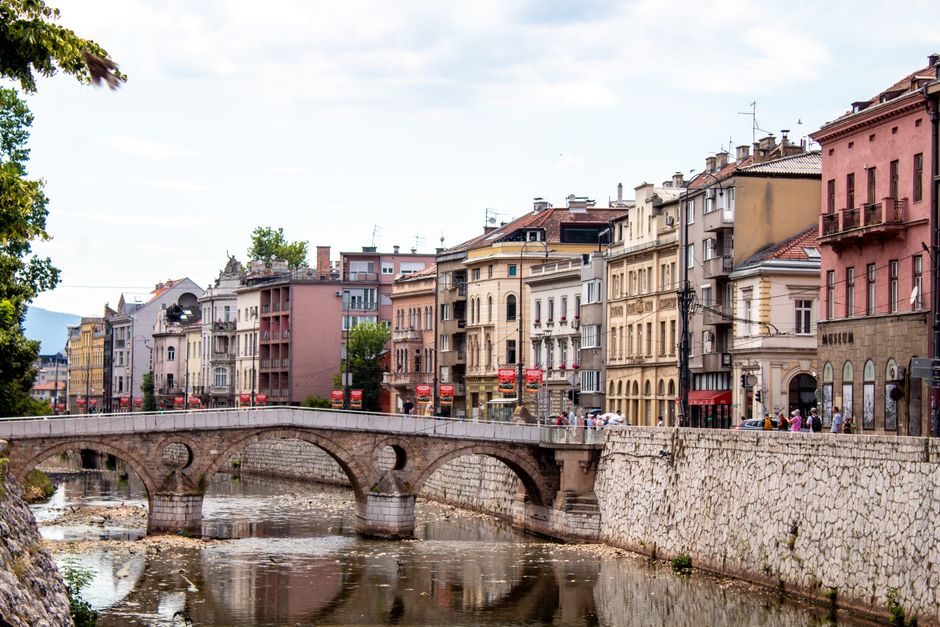
The streets of Toronto have erupted in a sea of red, white, and blue as the Canadian national football team launched a high-energy campaign for the 2026 FIFA World Cup, drawing massive support from the city's substantial Bosnian community. This surge in enthusiasm is not merely about national pride; it reflects a deeper cultural and sporting connection between Canada and Bosnia and Herzegovina. The recent viral footage showcasing fans in Toronto celebrating Canada's early victories has highlighted the unique demographic reality of the Canadian squad, which boasts a significant number of players with Balkan heritage. For the Bosnian diaspora in Canada, watching these matches is a dual celebration of their adopted home's success and their ancestral roots.
The trend "bosna kanada" (Bosnia Canada) has dominated social media feeds across the Balkans and North America, linking the two nations through sport. As Canada prepares to host the 2026 World Cup alongside the United States and Mexico, the integration of players with Bosnian ancestry into the Canadian national team has become a focal point of international sports media. This phenomenon underscores how migration patterns in the late 20th and early 21st centuries have reshaped the landscape of modern football, creating transnational fanbases that bridge continents and cultures.
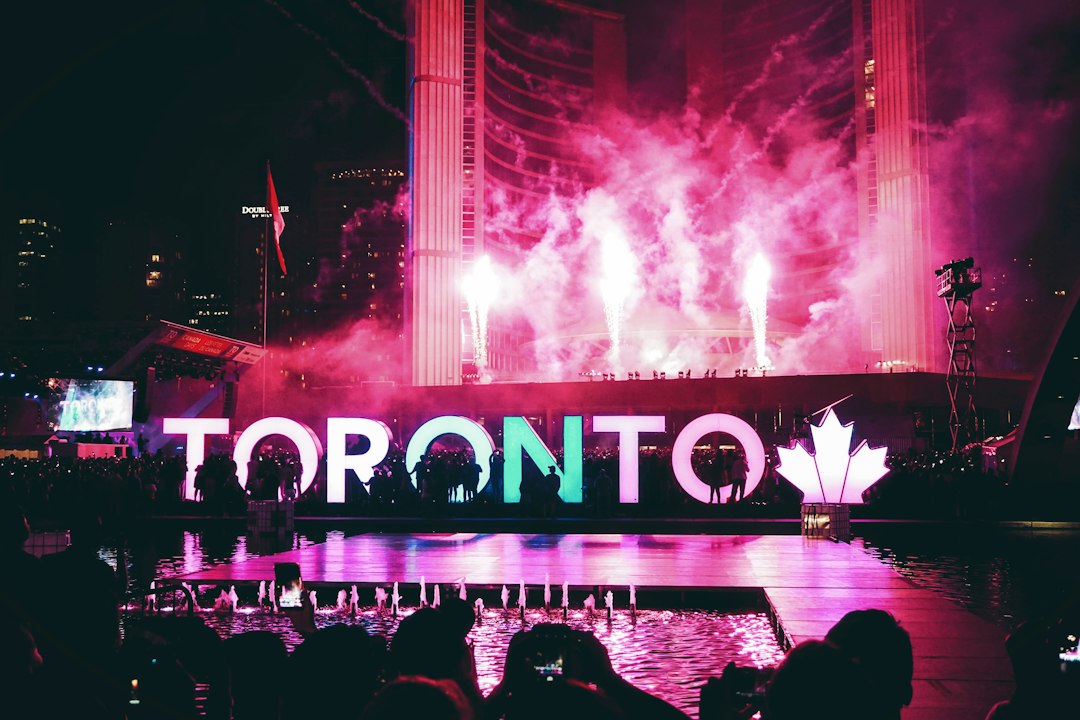
The Balkan Roots of the Canadian Squad
The connection between Canada and Bosnia and Herzegovina is deeply embedded in the roster of the Canadian national team. Several key players have publicly acknowledged their Bosnian heritage, a fact that resonates strongly with fans in Sarajevo and Toronto alike. This heritage is not just a biographical footnote; it often influences playing styles and the tactical appreciation of football within the diaspora community. Players with Bosnian roots have brought a distinct flair and technical proficiency to the Canadian setup, contributing to the team's recent rise in global rankings under coach Jesse Marsch.
This blend of identities creates a unique atmosphere at matches. When Canada plays, the chants and songs often reflect a mix of English and Bosnian, symbolizing the dual identity of the players and their supporters. The presence of these athletes serves as an inspiration to the younger generation of Bosnian-Canadians, showing that one can honor their heritage while representing a new nation on the world stage. The Canadian Football Association has embraced this diversity, recognizing it as a strength that enriches the team's culture and broadens its support base globally.
For the Bosnian audience, seeing players with familiar surnames and backgrounds compete at the highest level generates a sense of shared accomplishment. It is a reminder that the Bosnian diaspora remains active and influential in sports worldwide. The success of these players in Canada mirrors the broader narrative of Balkan athletes who have found success in leagues across Europe and North America, carrying the spirit of their homeland with them.
Toronto: A Hub of Bosnian Football Passion
Toronto is home to one of the largest Bosnian communities outside of Bosnia and Herzegovina. The city's neighborhoods, particularly in the east end, are dotted with Bosnian cafes, bakeries, and cultural centers that serve as gathering spots for the diaspora. During major football tournaments, these spaces transform into viewing parties where the energy is palpable. The recent "bosna kanada" trend has amplified this visibility, drawing attention from mainstream media to the vibrant cultural life of the Bosnian community in Toronto.
The enthusiasm displayed by Bosnian-Canadian fans during Canada's recent matches has been described as electrifying. Their support goes beyond typical fan behavior; it is a passionate endorsement of the players' dual identities. Local businesses have capitalized on this trend, with restaurants and bars offering special promotions for matches, further cementing the link between the community and the national team. This economic and cultural synergy highlights the positive impact of sports on community cohesion and local commerce.
Moreover, the visibility of Bosnian flags alongside Canadian ones in Toronto stadiums and fan zones has sparked conversations about identity and belonging. It challenges the notion of assimilation as a one-way process, instead promoting a model of multiculturalism where heritage and national pride coexist. For the wider Canadian public, this exposure to Bosnian culture through football has fostered greater understanding and appreciation of the diverse fabric of Canadian society.
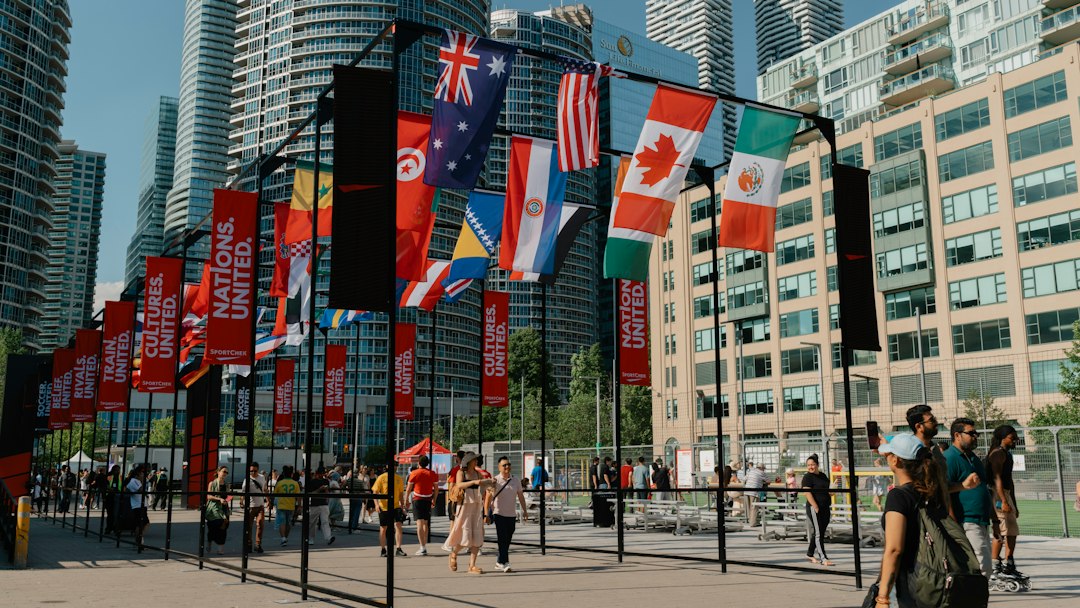
Implications for the 2026 World Cup
As the 2026 FIFA World Cup approaches, the "bosna kanada" phenomenon is set to play a significant role in the tournament's narrative. Canada's status as a co-host nation means that its matches will receive heightened global attention. The presence of a large, passionate Bosnian-Canadian fanbase will add a unique flavor to the atmosphere in Toronto venues. This demographic reality could influence ticket sales, broadcasting interest, and even sponsorship deals, as brands seek to connect with the diverse audiences in the region.
For Bosnia and Herzegovina, the success of Canadian players with Bosnian roots offers an opportunity to strengthen ties with the diaspora. The Football Association of Bosnia and Herzegovina has historically maintained strong connections with players abroad, and this trend may lead to renewed efforts to engage with the Bosnian-Canadian community. Such engagement could include cultural exchanges, youth development programs, and collaborative events that celebrate the shared love of football.
The broader impact of this trend extends beyond sports. It highlights the power of football to bridge cultural divides and foster unity in a globalized world. As Canada and Bosnia and Herzegovina continue to share this sporting moment, the story of "bosna kanada" serves as a testament to the enduring bonds of heritage and the dynamic nature of identity in the 21st century. Fans on both sides of the Atlantic are watching closely, eager to see how this unique chapter in football history unfolds on the biggest stage of all.
Comments