


A Monument to Transition
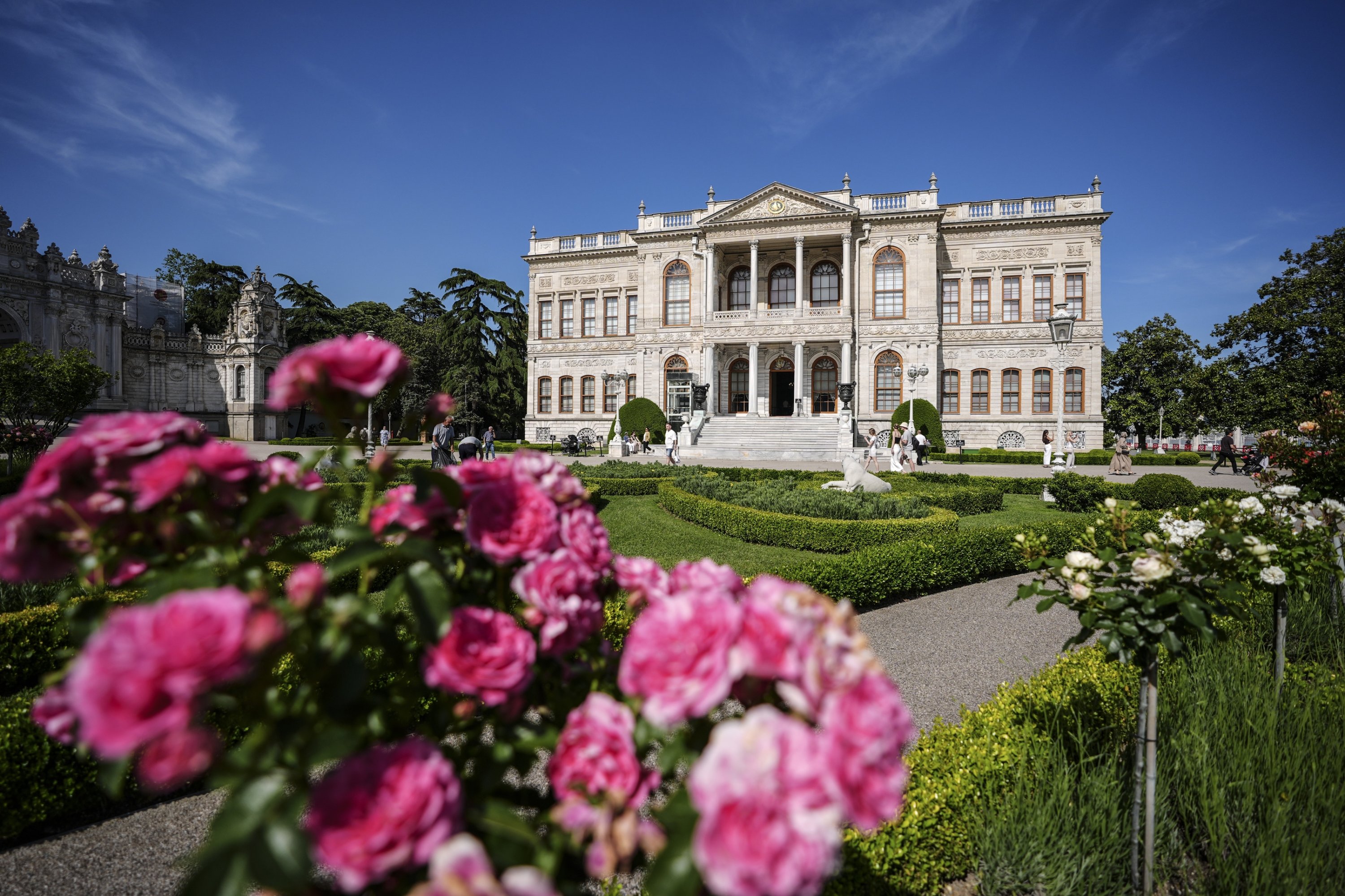
It has been 170 years since Dolmabahçe Palace first opened its doors to the world, standing today as one of the most striking architectural masterpieces of the late Ottoman era. Commissioned by Sultan Abdülmecid and officially inaugurated on June 7, 1856, the palace serves as a tangible bridge between the imperial past and the subsequent Republican history of Turkey. Located along the Beşiktaş shoreline in Istanbul, this grand structure remains an iconic landmark, witnessing centuries of political and cultural shifts.
The site itself tells a story of transformation. Covering a vast 110,000-square-meter area, the land was once a natural bay. During the reign of Sultan Osman II, the area was filled in, eventually becoming known as "Dolmabahçe," meaning "filled garden." It evolved from a royal retreat into a seaside palace complex and now stands as one of Istanbul’s most significant cultural heritage sites.
Architectural Grandeur and Western Influence
The palace complex is a sprawling ensemble that includes the main administrative structures, the Muayede Hall, the Harem, and the Crown Prince’s apartments. Güller Karahüseyin, Head of Museums and Promotion at the National Palaces Administration, highlighted that the construction began on June 13, 1843, and was completed in stages. Each section bears the Sultan’s imperial signature, or *tughra*, marking its completion date.
“The palace represents the peak of the Ottoman Empire’s Westernization and reform process,” Karahüseyin explained. The architecture draws heavily from European artistic movements, incorporating Rococo, Baroque, and Empire styles. Yet, despite its European facade, the interior preserves deeply rooted Turkish traditions. The Mabeyn-i Hümayun, or the Selamlık, served as the administrative heart where state affairs were conducted, featuring elaborate decorations befitting its high-level diplomatic function.
Tradition Meets Innovation
Beyond the public ceremonial spaces, the Harem-i Hümayun offers a glimpse into traditional Turkish domestic life. Unlike the ornate public halls, the harem is more restrained, following the layout of a traditional Turkish house with halls leading into rooms arranged around shared spaces. The complex also boasts technological innovations of its time, including an early gas plant system for heating and lighting, reflecting the standards of major European capitals in the mid-19th century.
Today, the palace attracts millions of visitors annually, offering a unique window into the opulence and complexity of the Ottoman court. From the Bezmialem Valide Sultan Mosque to the Imperial Stables, every corner of the grounds reflects a period of profound change, blending Eastern heritage with Western ambition.

honestly dolmabahce is way more than just a palace tbh. it’s like walking through a museum of european dreams mixed with ottoman vibes. ngl the gold everywhere hits different rn...