


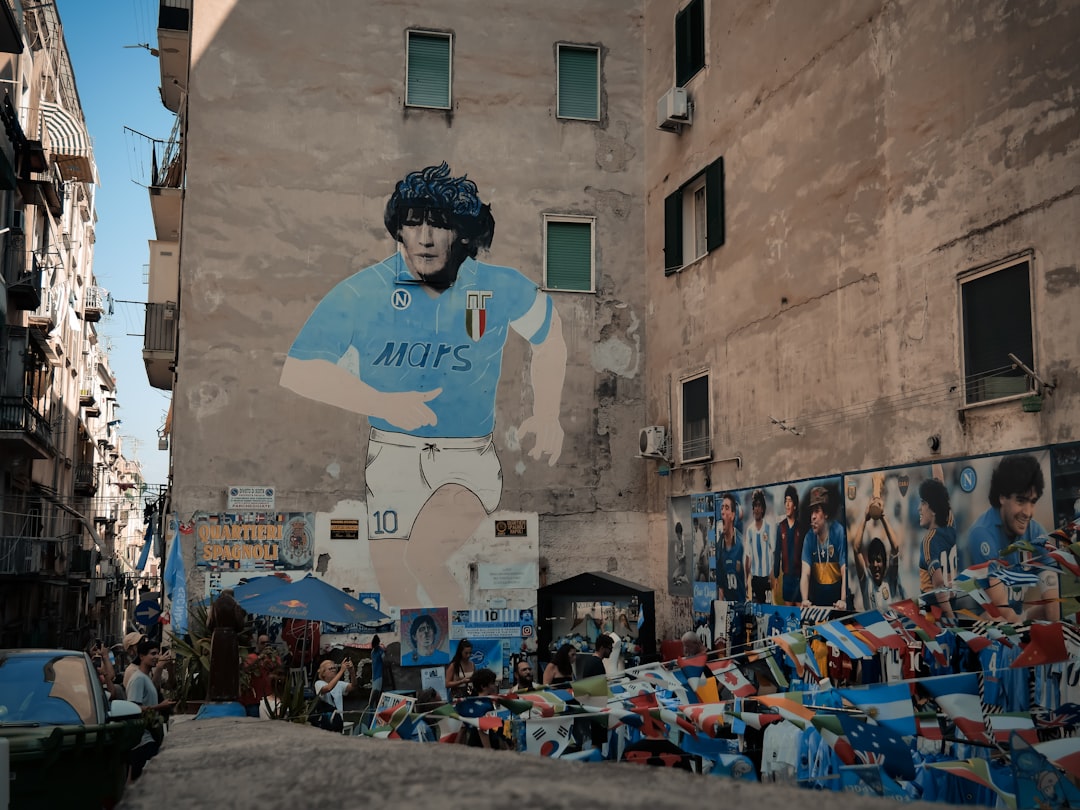
The name Diego Maradona continues to dominate global sports discourse, not just through memories of his unparalleled talent, but through fresh legal developments surrounding his estate. Recent reports indicate that a medical official, previously implicated in the Argentine legend's 2020 death, has been formally charged, claiming he was prevented from visiting Maradona in his final hours. This development reignites scrutiny over the circumstances of the football icon's passing, while simultaneously highlighting his enduring cultural footprint across the Balkans, where his memory remains as vibrant as his playing days.
Legal Controversy and the Death of a Legend
The recent judicial move involves Dr. Federico Babini, the head of the Institute of Cardiology in Buenos Aires, where Maradona was hospitalized. According to reports from Argentine media, Babini was summoned by prosecutors and subsequently charged with negligent homicide. The core of the accusation rests on the claim that medical protocols were not followed, and that Babini allegedly blocked other doctors from accessing the patient. This legal battle has dragged on for years, causing significant distress to Maradona's family and fans worldwide who seek transparency regarding the final moments of the football genius.
Maradona, widely regarded as one of the greatest players in history, died on November 25, 2020, at the age of 60. His death sent shockwaves through the footballing world and beyond, triggering massive outpourings of grief from millions of fans. The Balkans, with its deep passion for football, was no exception. Cities like Belgrade, Sarajevo, and Athens saw spontaneous gatherings where fans lit candles and chanted his name. The legal proceedings, therefore, are not just a domestic Argentine issue but a matter of global interest, as they touch upon the sanctity of one of the sport's most revered figures.
The implications of this case extend beyond the courtroom. They raise questions about medical ethics and the handling of high-profile patients. If found guilty, the verdict could set a precedent for how medical negligence is prosecuted in cases involving celebrities. For the Balkan audience, which has a strong tradition of debating football history, this adds a new, somber layer to the Maradona narrative. Fans continue to follow these developments closely, viewing the legal battle as a final stand for justice for their idol.
Maradona's Footballing Genius and Global Influence
To understand why this legal drama resonates so deeply, one must recall Maradona's extraordinary career. His peak years at Napoli in Italy, where he led the club to its first Serie A titles, transformed him into a deity in southern Italy. However, his influence was global. The 1986 World Cup in Mexico remains the defining tournament of his career, where he scored the infamous "Hand of God" goal and the magnificent "Goal of the Century" against England. These moments are studied in tactical analysis and celebrated in folklore across continents.
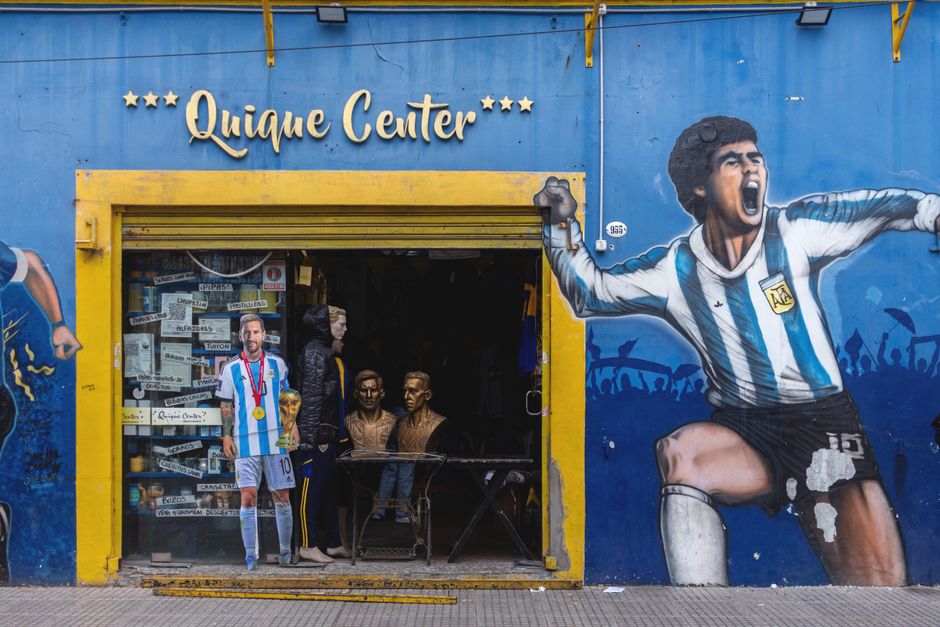
In the Balkans, Maradona's status is akin to that of a mythological hero. Football is more than a sport in countries like Serbia, Croatia, and Bosnia and Herzegovina; it is a central part of national identity. Maradona's flair, skill, and rebellious spirit resonated with fans in these regions, who saw in him a reflection of their own passionate and often turbulent sporting culture. His ability to single-handedly change the course of a game inspired generations of Balkan players, from Davor Šuker to Dejan Savićević, who admired his technical brilliance and leadership on the pitch.
The cultural impact of Maradona extends beyond football. He became a symbol of resistance and charisma, particularly in Latin America and among working-class communities worldwide. In the Balkans, where political and social changes have been significant since the 1990s, Maradona's image was often used in political protests and social movements. His legacy is thus intertwined with broader socio-political narratives, making his death and the subsequent legal issues a topic of serious discussion in media and public squares alike.
The Balkan Connection and Enduring Legacy
The connection between Maradona and the Balkans is not just emotional but also historical. During his career, he played against some of the greatest Balkan teams and players. His encounters with Yugoslavia and later with individual Balkan clubs left lasting impressions. Fans in Belgrade and Zagreb still recall his matches with vivid detail, often debating whether he was the greatest player they ever saw live or on television. This enduring memory ensures that news about him, whether positive or negative, continues to trend in the region.
Moreover, the Balkan media landscape is highly interconnected, with sports news spreading rapidly across borders. When news broke about the charges against Dr. Babini, it was picked up by major outlets in Serbia, Croatia, and Greece, sparking renewed interest in Maradona's life and career. Documentaries, books, and online articles about him see a surge in popularity whenever there is a new development in the legal case. This cycle of remembrance keeps his legacy alive, ensuring that new generations of fans are introduced to his story.
The significance of Maradona's legacy in the Balkans also lies in the way it reflects the region's own footballing identity. The Balkans are known for producing technically gifted and passionate players, many of whom cite Maradona as an inspiration. The current generation of stars, including Luka Modrić and Dušan Vlahović, carries forward this tradition of skill and flair. As such, Maradona remains a relevant figure in the contemporary football conversation, influencing how players are coached and how fans appreciate the artistry of the game.
As the legal proceedings against Dr. Babini continue, the world watches with bated breath. The outcome could provide closure to Maradona's family and fans, or it could prolong the pain and controversy. For Balkan audiences, the story is a reminder of the profound impact a single individual can have on a global scale. Maradona was more than a footballer; he was a cultural icon whose life and death continue to shape the way we view the sport. Fans will continue to support his legacy, demanding justice and celebrating his memory in every match, every chant, and every discussion about the greatest player of all time.
Comments