


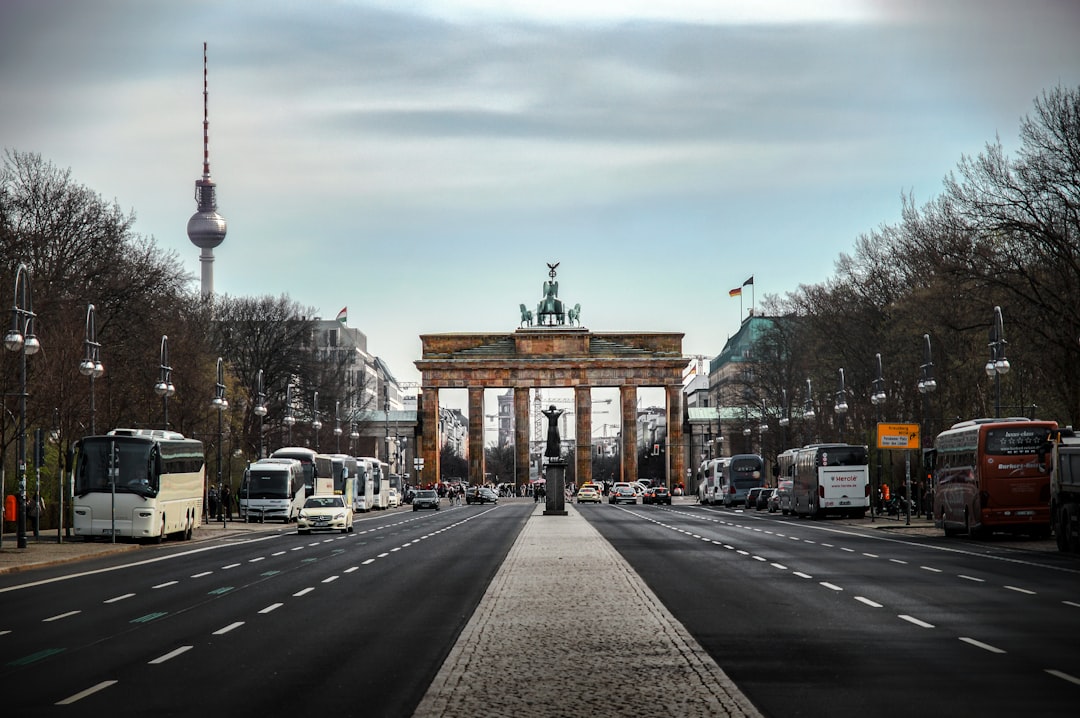
The German national football team, affectionately known as Die Mannschaft, has officially launched their campaign at the 2026 FIFA World Cup with a commanding performance that signals a new era for European football's traditional powerhouse. In their opening group stage match against Curaçao, Germany demonstrated the tactical discipline and attacking flair that fans had hoped to see following a period of transition. The victory not only secures vital points in Group E but also serves as a psychological boost for a squad eager to reclaim its status among the world's elite. For Balkan audiences, who follow European football with intense passion, this match highlights the shifting dynamics of the tournament and the continued dominance of German football culture, which heavily influences leagues across the region.
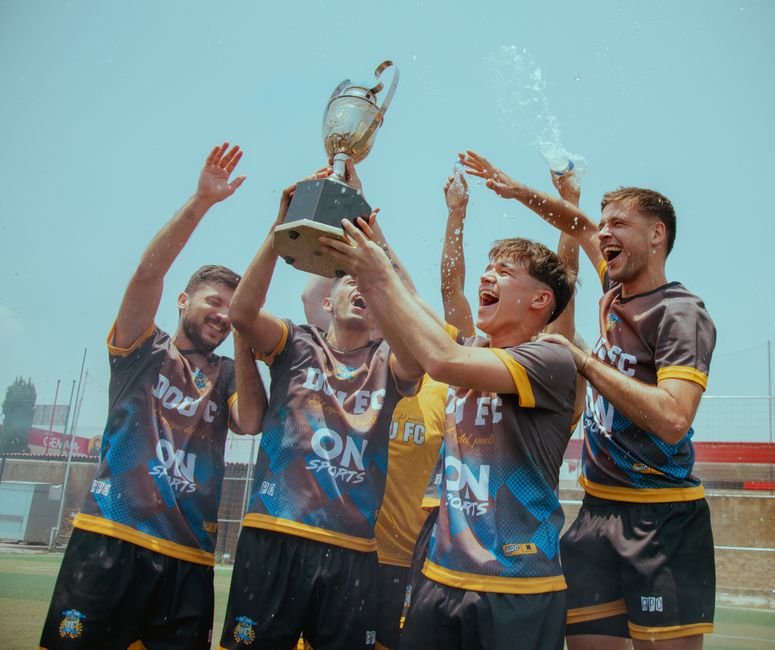
A Tactical Showcase and Squad Depth
Under the guidance of head coach Julian Nagelsmann, the German side displayed a modern, high-pressing system that overwhelmed their Caribbean opponents. The match was characterized by Germany's ability to control possession in the final third and exploit spaces behind the defensive line. Key performances came from a midfield that combined experience with youthful energy, ensuring that the team maintained high intensity throughout the ninety minutes. This tactical approach marks a departure from the conservative styles that have occasionally plagued the national team in recent years, suggesting that Nagelsmann has successfully instilled a winning mentality and a clear identity in his squad.
The integration of new talents from the Bundesliga and abroad proved decisive. Players who have honed their skills in competitive European leagues brought a level of technical proficiency that Curaçao struggled to contain. The depth of the German squad was evident, with substitutes making immediate impacts when introduced. This versatility allows the coaching staff to rotate players without a significant drop in quality, a crucial advantage in a tournament that spans over a month. The performance indicated that Germany is not just relying on individual brilliance but on a cohesive unit that functions with precision and purpose.
Global Stakes and the Balkan Connection
While the immediate opponent was Curaçao, the eyes of the football world are already on Germany's upcoming fixtures against stronger nations like Switzerland and the United States. These matches will serve as the true litmus test for the team's tournament ambitions. A win against Curaçao was expected, but the manner of victory provides insight into how Germany will fare against high-pressure opponents. For fans in the Balkans, where football is a central cultural pillar, the German team's resurgence is a topic of significant interest. Many Balkan players have built their careers in Germany, and the national team's success often correlates with the visibility and value of these athletes on the global stage.
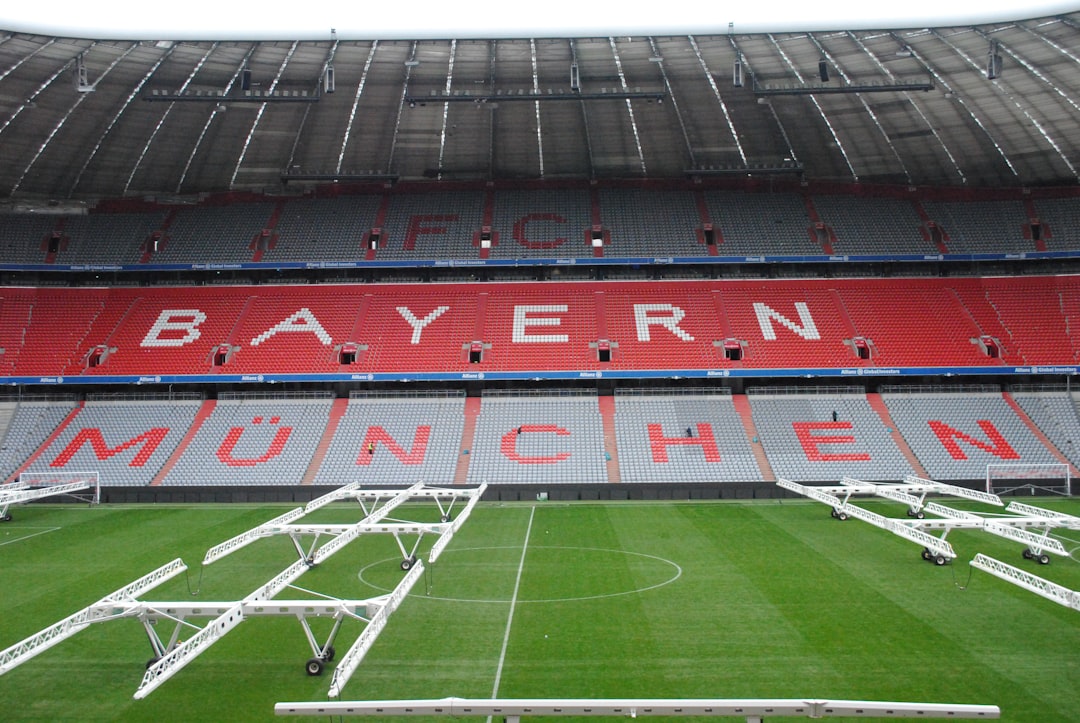
The connection between Germany and the Balkans is profound in the football world. Clubs like Bayern Munich, Borussia Dortmund, and Schalke 04 have long been destinations for top talent from Serbia, Croatia, Bosnia, and North Macedonia. The current German national team includes players of Balkan heritage, reflecting the diverse makeup of modern European football. This demographic reality means that when Germany performs well, it resonates deeply with diaspora communities across the region. The World Cup stage offers a platform for these players to showcase their skills, further strengthening the cultural and sporting ties between Germany and the Balkans.
Looking Ahead: The Path to Glory
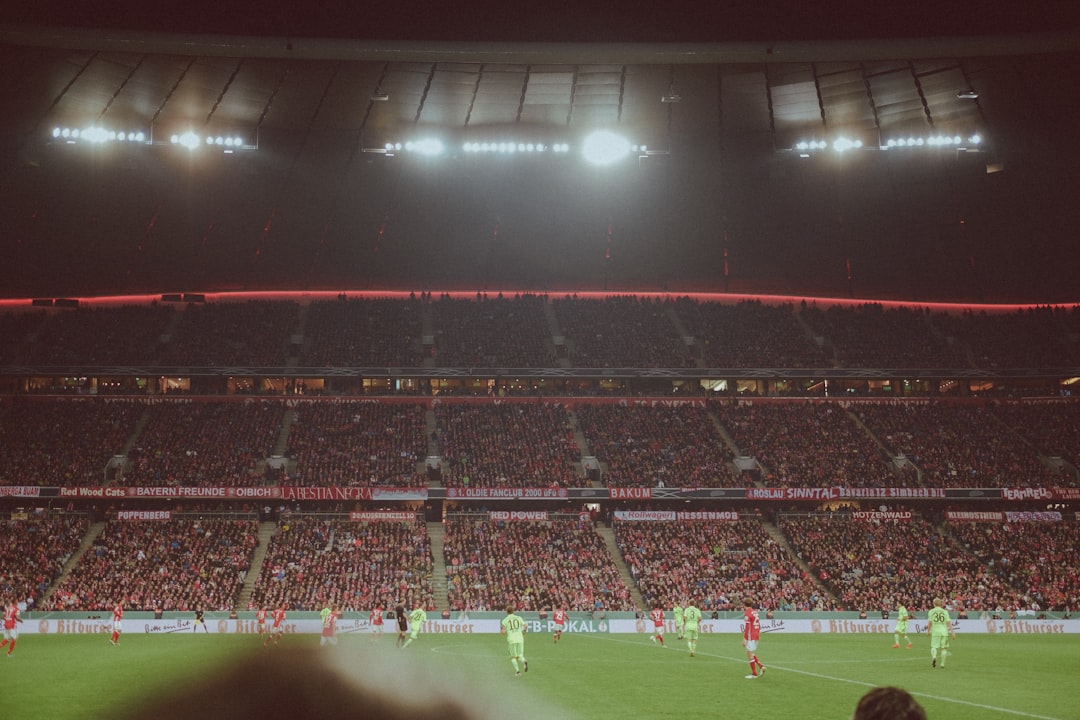
As Germany advances through the group stage, the focus will shift to maintaining consistency and avoiding complacency. The tournament format, expanded to 48 teams, introduces new challenges and unpredictability. Germany's ability to adapt to different playing styles and physical demands will be critical in the knockout rounds. The coaching staff will need to manage player fatigue and ensure that the team remains sharp as the competition intensifies. For Balkan supporters, the journey of Die Mannschaft offers a compelling narrative of redemption and ambition. The success of their favorite players in the German league system adds another layer of engagement, making every match a point of regional pride and interest.
The World Cup 2026 is not just a competition for Germany; it is a statement of intent to the footballing world. The opening victory against Curaçao has set a positive tone, but the real work begins now. As the tournament progresses, the German team will face scrutiny and pressure from all sides. Their ability to handle these challenges will determine their legacy in this World Cup. For the global audience, including the passionate fans in the Balkans, the story of Germany's campaign is one to watch closely. It represents the intersection of tradition, modern tactics, and the universal language of football that transcends borders and brings communities together.
Comments